The Office of Rail and Road has expanded on its role within the creation and officiating of Great British Railways (GBR) during a Transport Committee Meeting at Parliament this morning.
The panel delved into the potential effectiveness of GBR as an operator, ORR’s expected role in its regulation, feasibility and the overall duties of the regulatory body going forward with regard to existing responsibilities.
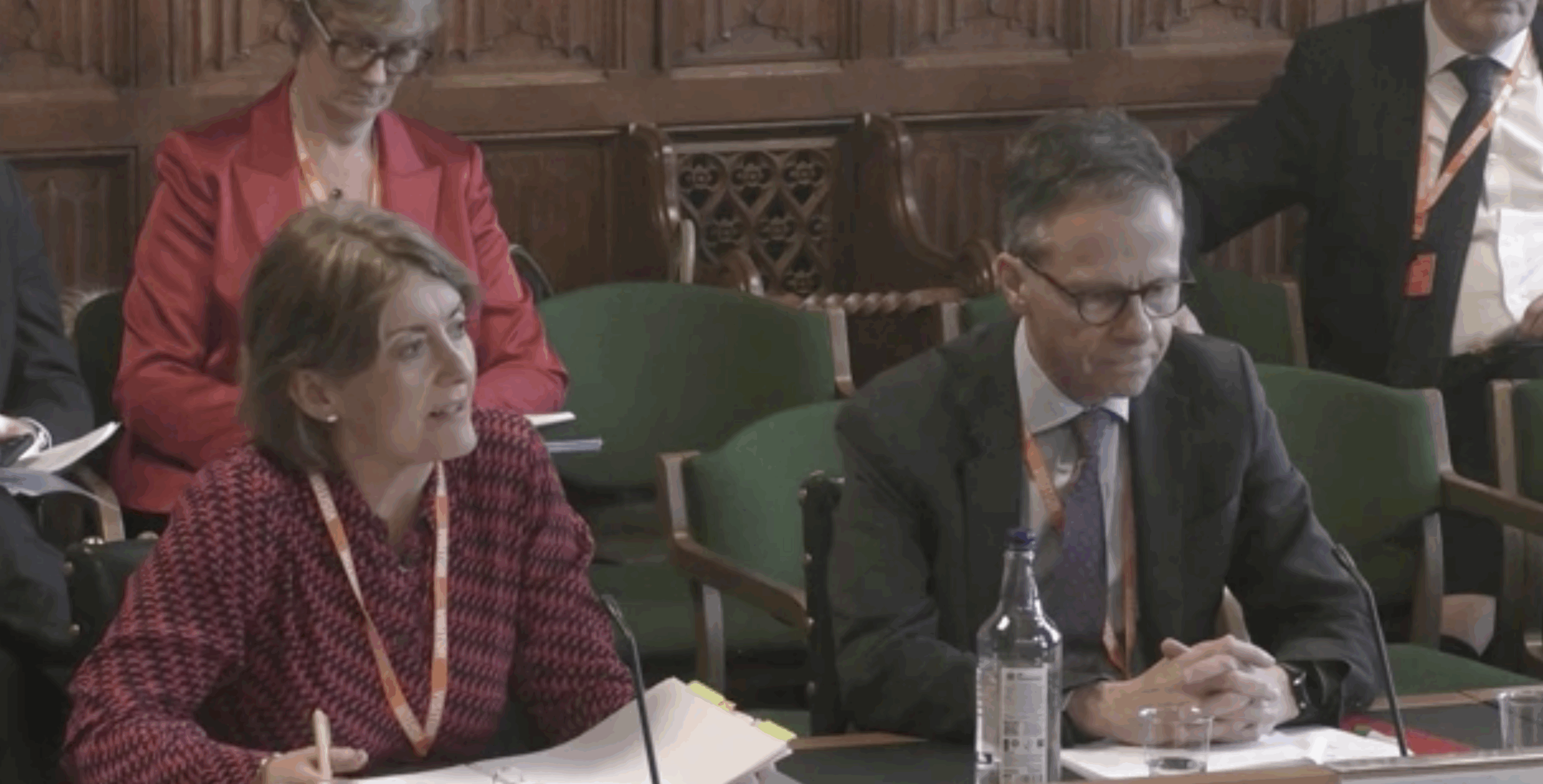
Speaking on the potential of the new, publicly-owned company; ORR Chief Executive John Larkinson referred to its proposed set up as a ‘strong system’, despite a current lack of a fully agreed upon framework.
Larkinson commented on the alignment of duties between both GBR and the ORR itself which will aim to simplify future procedures to better suit new, wide-reaching responsibilities, lauding the possibility of future integrated tracked business plans for proposals going forward.
When asked if the combination of duties would render overall responsibilities as ‘too vague’; Larkinson proposed that, when aligned, the two parties’ responsibilities would render the ORR’s duties as ‘more understandable’ as a whole, removing a number of what he refers to as ‘more dated’ duties in the process, with Stephanie Tobyn, Director of Strategy, Policy & Reform at ORR stating that the alignment of duties can only be a positive thing, referring to the removal of potential friction when considering one unified mindset.
ORR duties set to remain unaffected by GBR’s introduction include its role as a health and safety legislator, competition regulator (though this will be altered when it comes to access) and consumer law regulator.
When asked if the introduction of GBR will inhibit its independence as a regulatory body; Tobyn advised that the ORR already receives guidance from both the Secretary of State and Scottish Ministers, and so would not be perturbed by the possibility of working under such a heavy framework, explaining that whilst guidance will increase as GBR expands, she does not expect it to have a substantial effect on the way the regulator operates going forward.
Detailing changes that will affect ORR, Larkinson explains that once established, its monitoring roles will switch from focusing on Network Rail to focusing on GBR and its larger role within the country’s rail responsibilities. The ORR will monitor its business plans, fare proposals and more, and with its enforcement powers set to become more streamlined, the regulator will shift to a more narrow focus when it comes to conditions such as asset stewardship and performance, the latter of which will henceforth be handled by the Secretary of State.
Once GBR is fully established; the ORR will report to, and offer advice and guidance for, the Secretary of State with regards to preferable action, stepping in when necessary. The body will retain the right to report publicly, escalate issues in an advisory manner with GBR and, ultimately, go to the Secretary or Scottish Ministers to deal with issues as and when they arise.