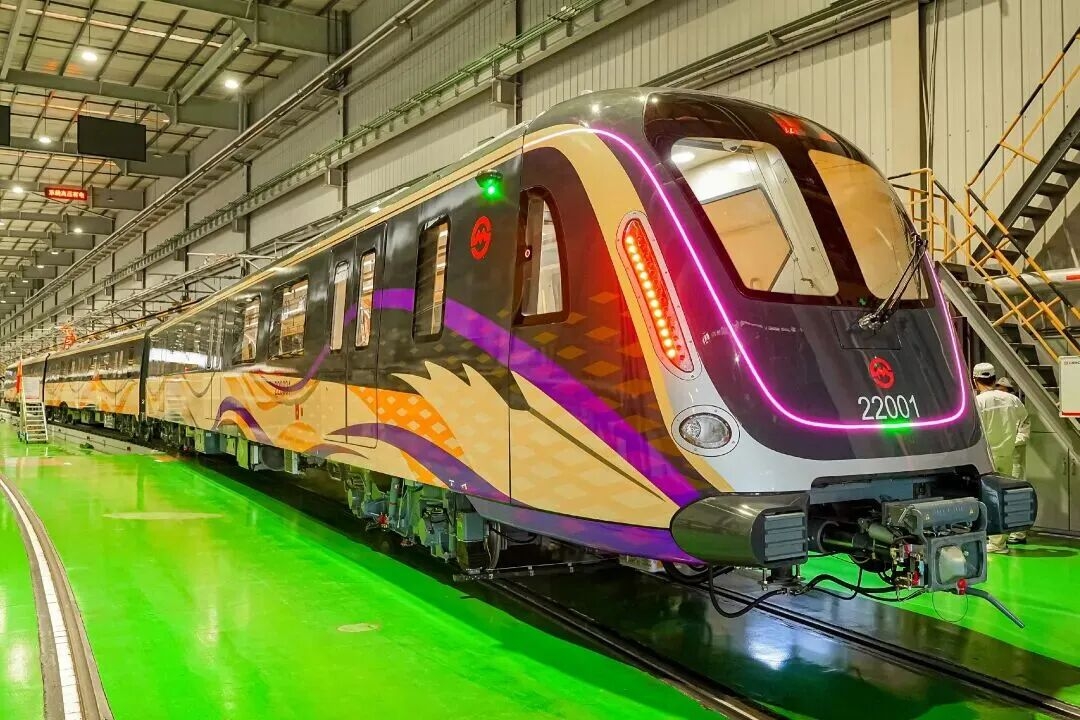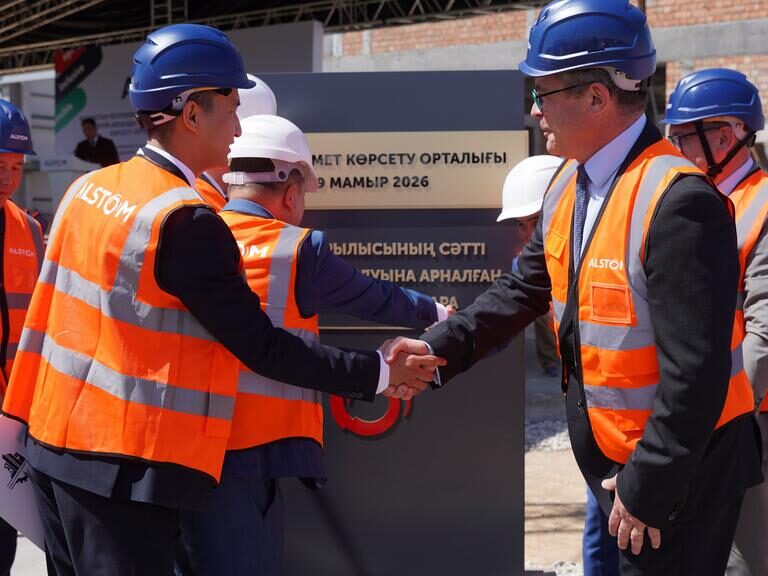
The first phase of Astana’s light rail transit (LRT) system in Kazakhstan has reached 100 days of operation, carrying more than 7.3 million passengers since entering service.
Known as Tarlan Astana, the 22.4-kilometre line marked the milestone on 24 August 2026. The system is described as Central Asia’s first fully automated driverless light rail line and connects key locations across the Kazakh capital.
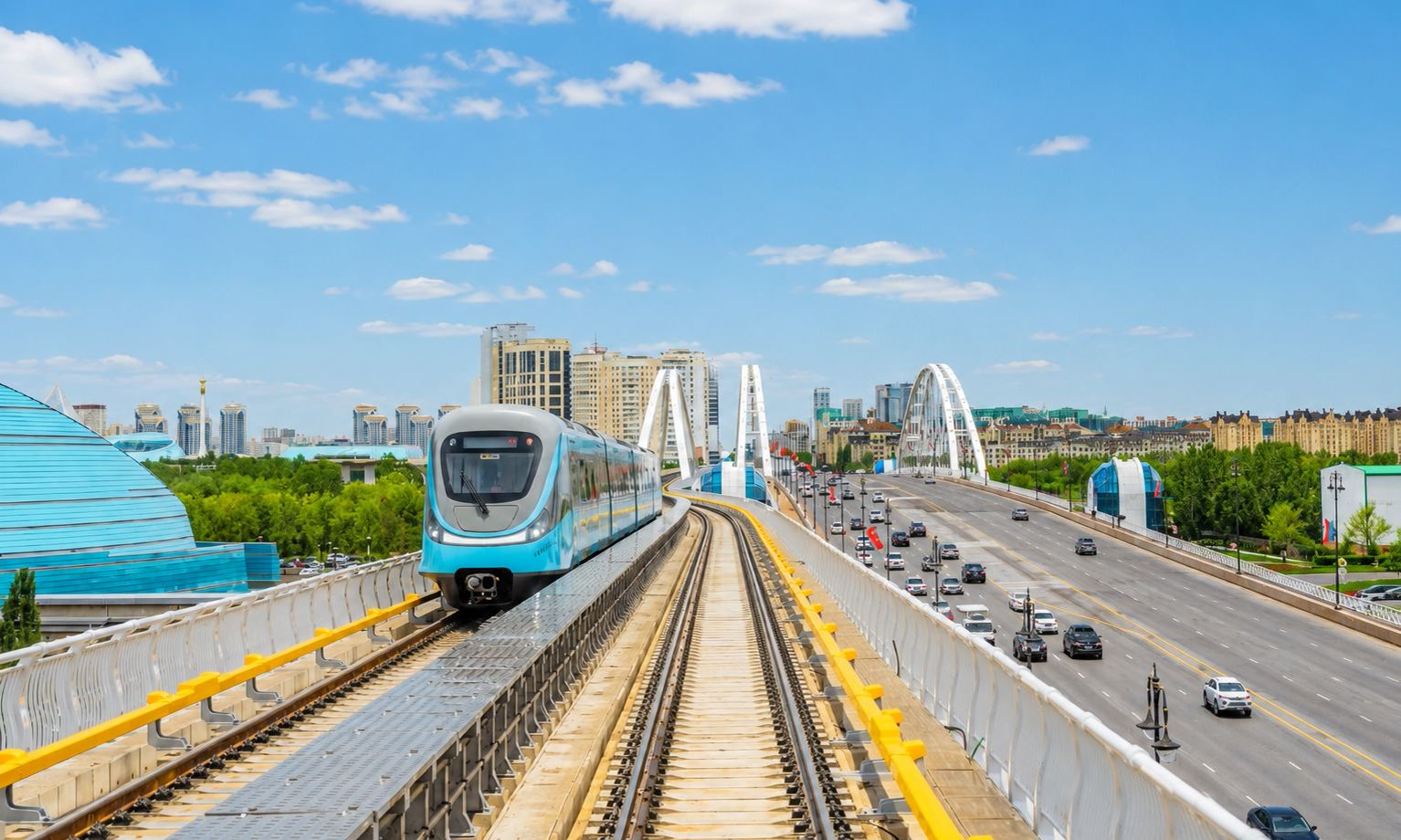
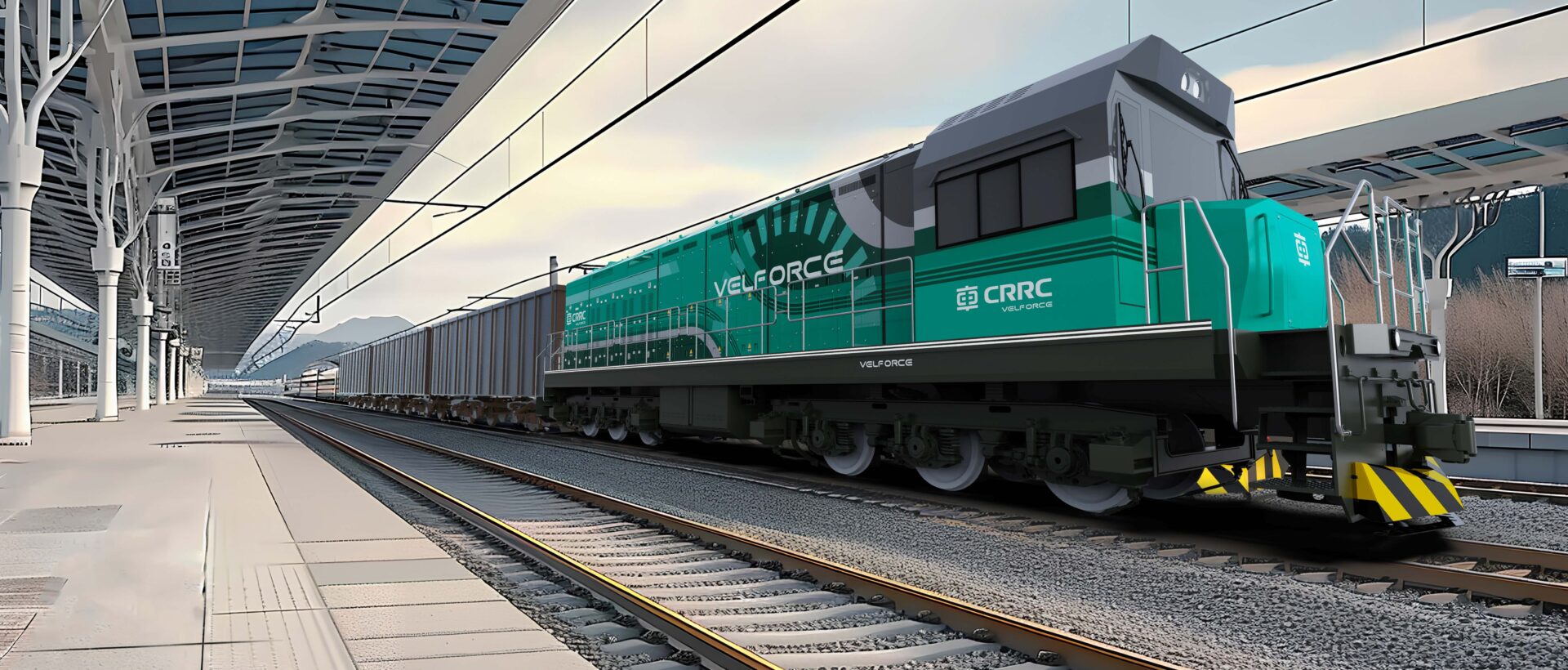
The trains were developed by CRRC Tangshan and manufactured using processes and quality standards equivalent to those applied to China’s Fuxing high-speed trains.
The six-axle vehicles use Grade of Automation 4 (GoA4) technology, allowing them to operate without drivers. Automated functions include train wake-up, stopping and departure, as well as alignment with designated stopping positions on platforms.
The trains have also been designed for Astana’s challenging winter conditions. Vibration and noise reduction technologies are intended to reduce wheel-rail noise, while adaptations for low temperatures, snow and ice allow operation at temperatures as low as -40°C.
Lightweight construction has also been incorporated to support passenger capacity and performance in the local operating environment.
CRRC said its after-sales service team made further adaptations based on Astana’s climate and operating conditions. A 24-hour fault response system was also established to support the line.
According to CRRC, targeted upgrades, improvements and routine maintenance have enabled the system to complete its first 100 days of mainline operation safely and stably.