Seibu Railway and Hitachi Rail will modernise 144 cars from the Series 20000 fleet, with the upgraded trains scheduled to return to passenger service progressively from 2028.
The programme will cover the full Series 20000 fleet, which entered service in February 2000. The trains were originally introduced with a focus on environmental performance and passenger comfort and have since been used extensively on Seibu Railway’s network.
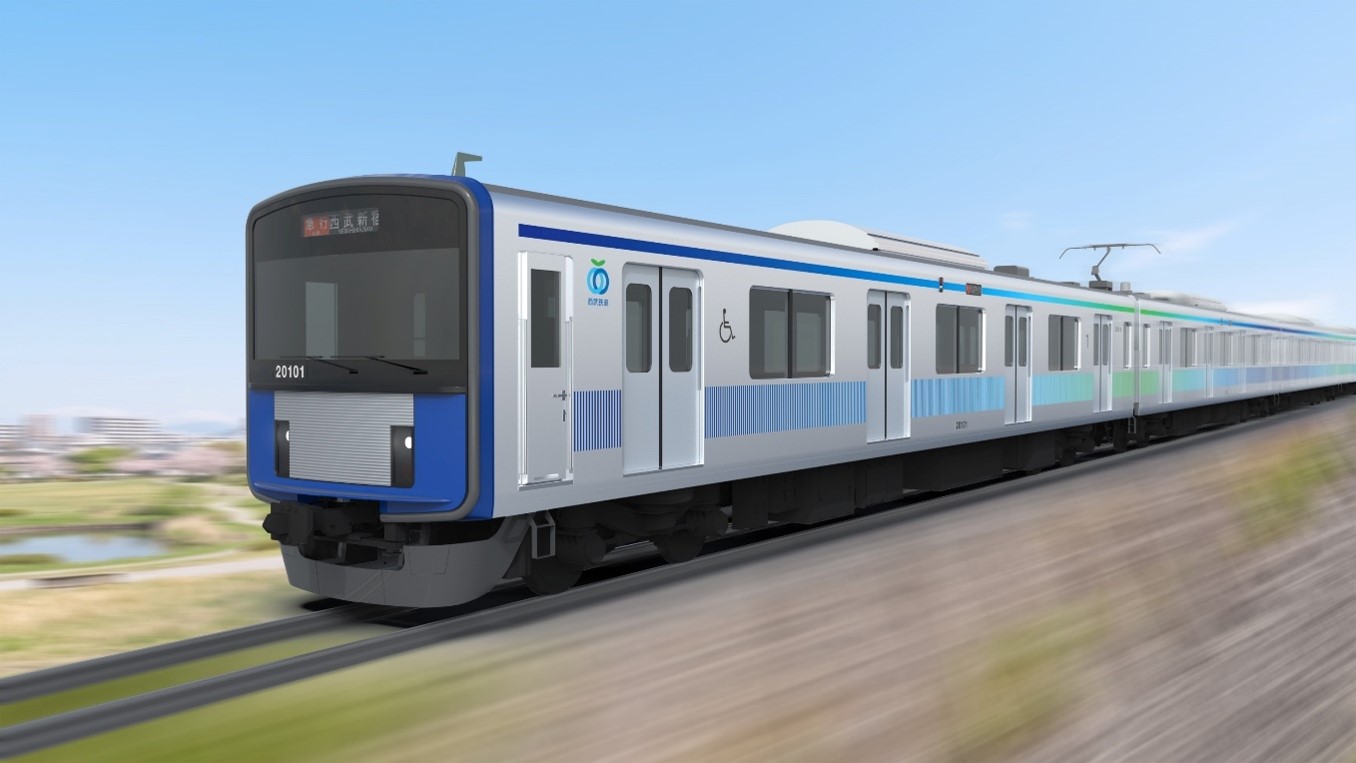
Modernisation work will include upgrades to major equipment, alongside changes to passenger areas and the exterior design. Seats, flooring and other passenger-facing components will be replaced, while equipment such as luggage racks will be retained.
The interior and exterior will follow the original trains’ simple and clean design concept, while introducing updated elements. Free spaces will also be provided in every car to accommodate different mobility requirements.
The work will be carried out at Hitachi’s Kasado Works in Kudamatsu, Yamaguchi Prefecture, Japan. The facility was the original manufacturing site for the Series 20000 trains, making this the first time that rolling stock manufactured there will return to the site for modernisation.
Seibu Railway and Hitachi expect that carrying out the work at the original manufacturing facility will help shorten construction periods and support quality control. Hitachi will establish dedicated facilities for the modernisation programme as part of its work structure.
Kasado Works manufactures and develops a range of railway vehicles, including Shinkansen trains and monorails. The site has also previously manufactured several types of Seibu Railway rolling stock, including the operator’s former limited express trains and other mainline vehicles.
The programme forms part of Seibu Railway’s wider approach to maintaining and upgrading existing rolling stock. Rather than replacing the Series 20000 fleet entirely, the operator will extend the useful life of the trains through equipment upgrades and refurbishment.
The first modernised Series 20000 trains are expected to enter service in 2028, with the remaining cars returning to operation progressively thereafter.