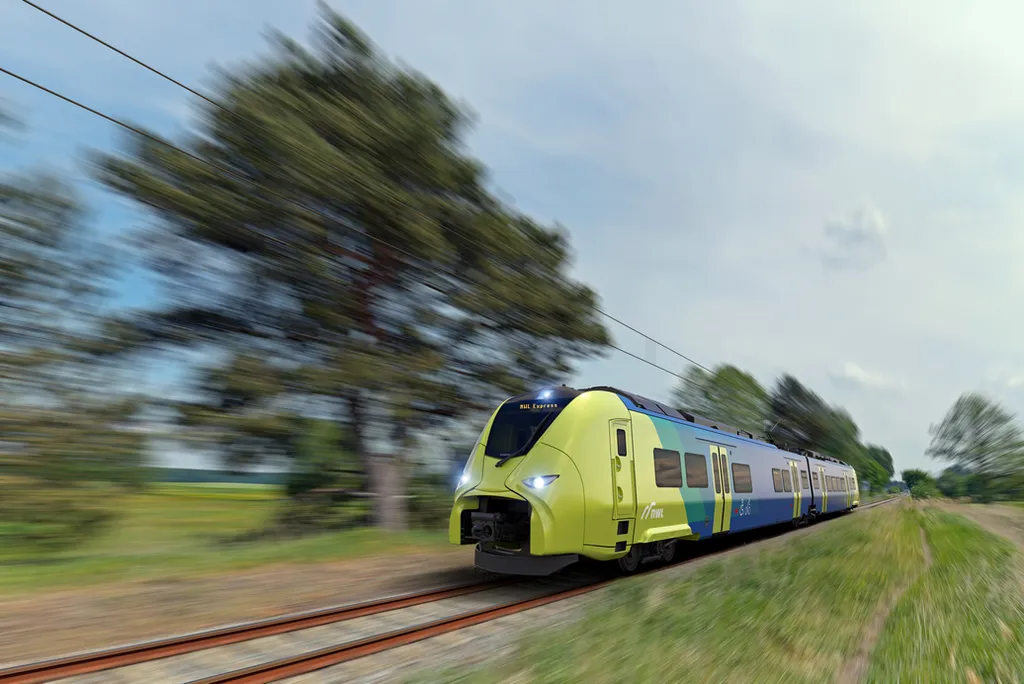
Renfe has awarded Siemens a contract to add a set of 30 new Velaro Novo high-speed trains to its fleet whilst also retaining an option for 10 more.
The trains, which, alongside their associated maintenance have been valued at 1.218 billion EUR, are designed to reach speeds of up to 350 km/h, and are capable of carrying 520 seated passengers per train.
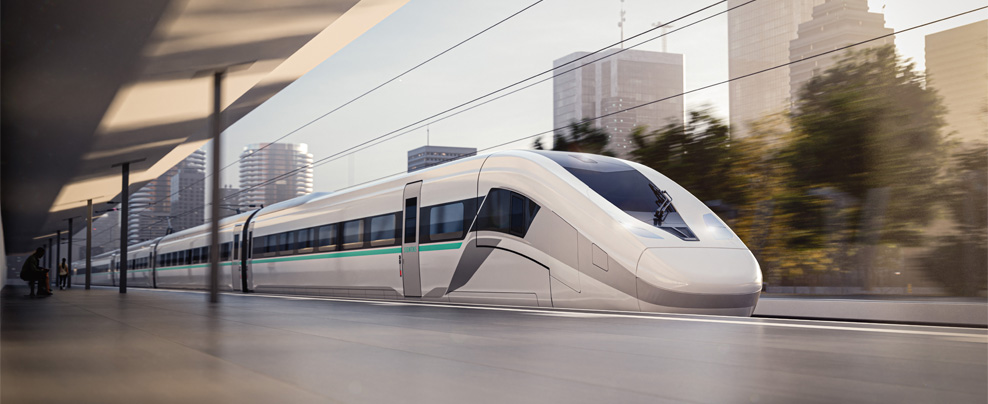
A delivery of the first five units is scheduled to take place within 40 months, and the remainder are required to be delivered within 62 months. The trains represent a technological evolution of the 103 series already in operation in Spain, and aim to make better use of space for passengers, reduce energy consumption and facilitate maintenance that allows the units to be available for service with a high level of reliability.
Once operational, Renfe’s updated fleet is intended to enable wider fleet expansion and renewal, with an increased number of seats and services available across the market.
The trains will feature two classes, with 404 seats available in Tourist Class and 116 seats available in First Class – the latter of which will be adjustable to face the direction of travel and feature a power outlet and USB port.
Efforts have been made the reduce both the weight and space occupied by the technical equipment when compared to Renfe’s current high-speed fleet, allowing for increased seating capacity whilst maintaining the train’s length and providing larger multifunctional areas for luggage, bicycles, or passengers with reduced mobility.
The design of the new bogies aims to provide a quieter ride with less vibration and greater stability at high speeds, whilst aerodynamic improvements also seek to reduce pressure waves in tunnels and noise when two trains pass each other. Each unit’s digital architecture is designed to offer higher capacity wifi, facilitate system updates throughout the train’s lifespan, and improve both onboard entertainment management and passenger information.
Each of these changes is expected to reduce the overall energy required to travel, as well as contribute to lower carbon dioxide (CO₂) emissions and operating costs. Additional measures to ensure these needs are met include the use of high-capacity batteries that can power the traction equipment and allow the train to move in the event of an incident, reducing the immediate reliance on rescue locomotives or emergency vehicles and helping to improve response times and passenger assistance.
Elsewhere, the Velaro Novo fleet aims to incorporate fewer components, enhanced system monitoring, advanced predictive maintenance, and remote diagnostics in order to improve both fleet availability and service continuity.
Siemens was awarded the contract following its release in April 2025, and was chosen due to the manufacturer’s ability and solvency to meet the agreed deadlines and propose a train capable of traveling at 350 km/h.