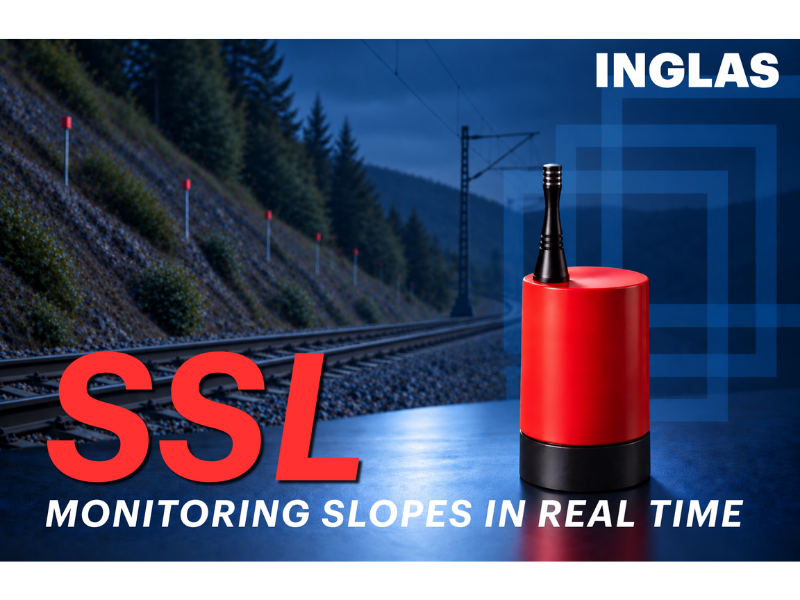
Ryan Anderson, CEO of INGLAS, explains how ImpactSentinel™ can transform rockfall barriers, nets and fences from passive structures into active safety assets.
INGLAS exists to help rail operators make faster, safer decisions when natural hazards strike. Rockfalls and landslides rarely announce themselves, and in mountainous or exposed terrain, the difference between a near-miss and a serious incident often comes down to how quickly an operator can act once a rockfall barrier has been hit.
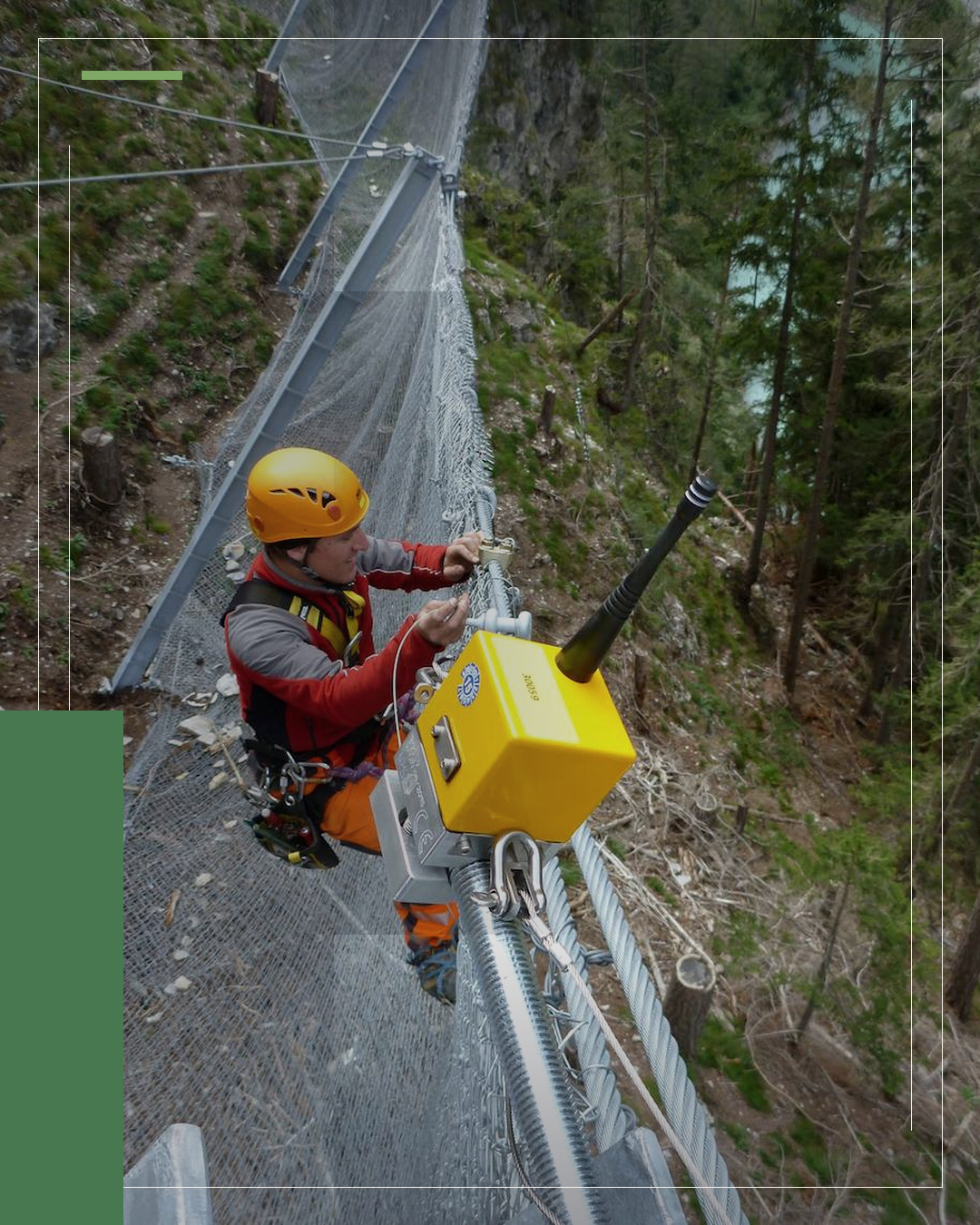
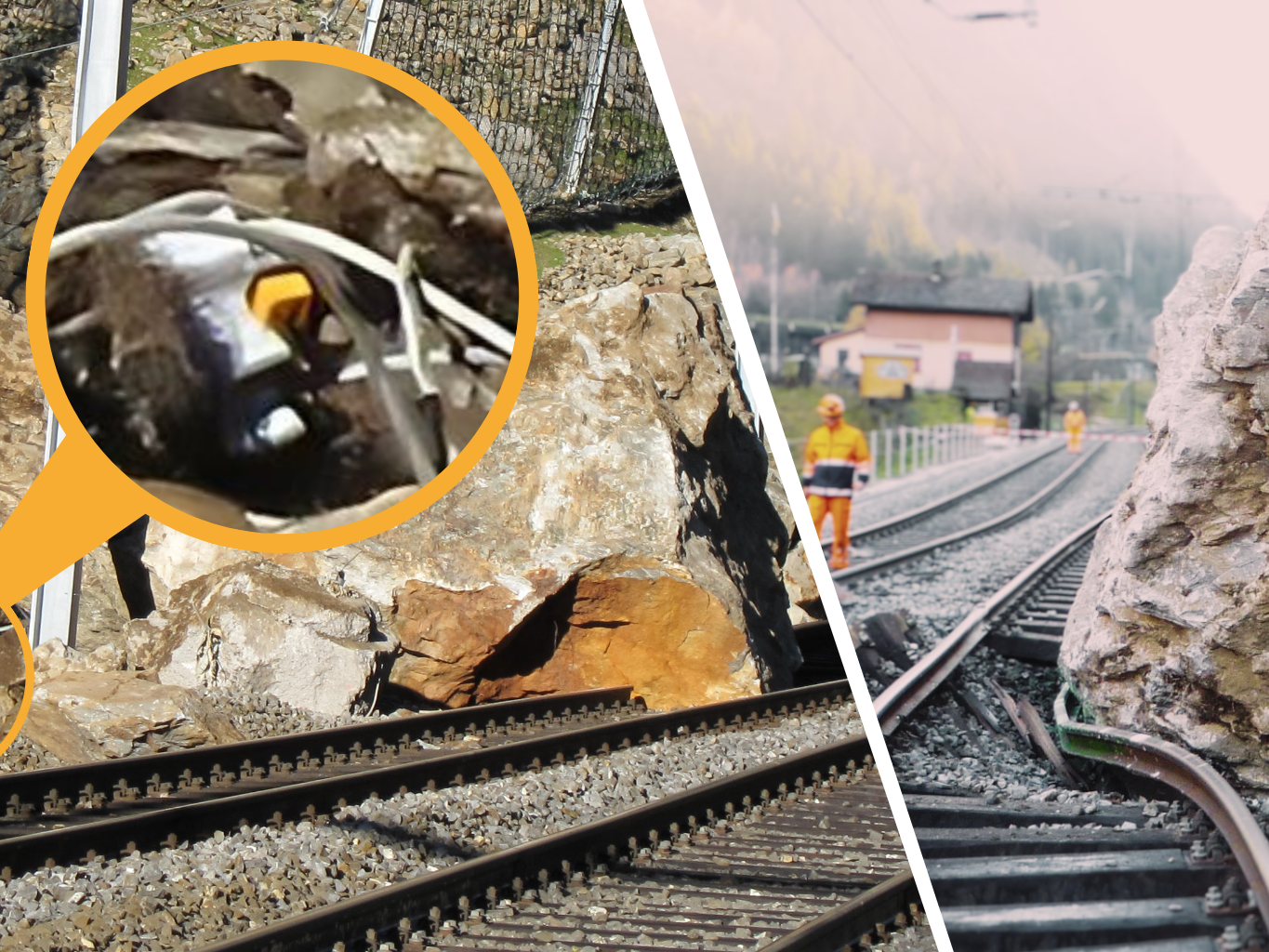
That’s the problem INGLAS set out to solve when it developed its real-time ImpactSentinel™ hazard monitoring system in collaboration with Swiss Federal Railways (SBB) in the mid-2000s.
The railway company was looking for a way to enable an immediate operational response when a rockfall barrier is impacted. Within a year of installation, the concept was validated, as ImpactSentinel™ detected a rockfall that would otherwise have resulted in a train collision.
INGLAS’ customer base has grown a long way from that first deployment. It now works with rail operators, infrastructure managers, engineering partners and geotechnical specialists.
Why Real-Time Matters
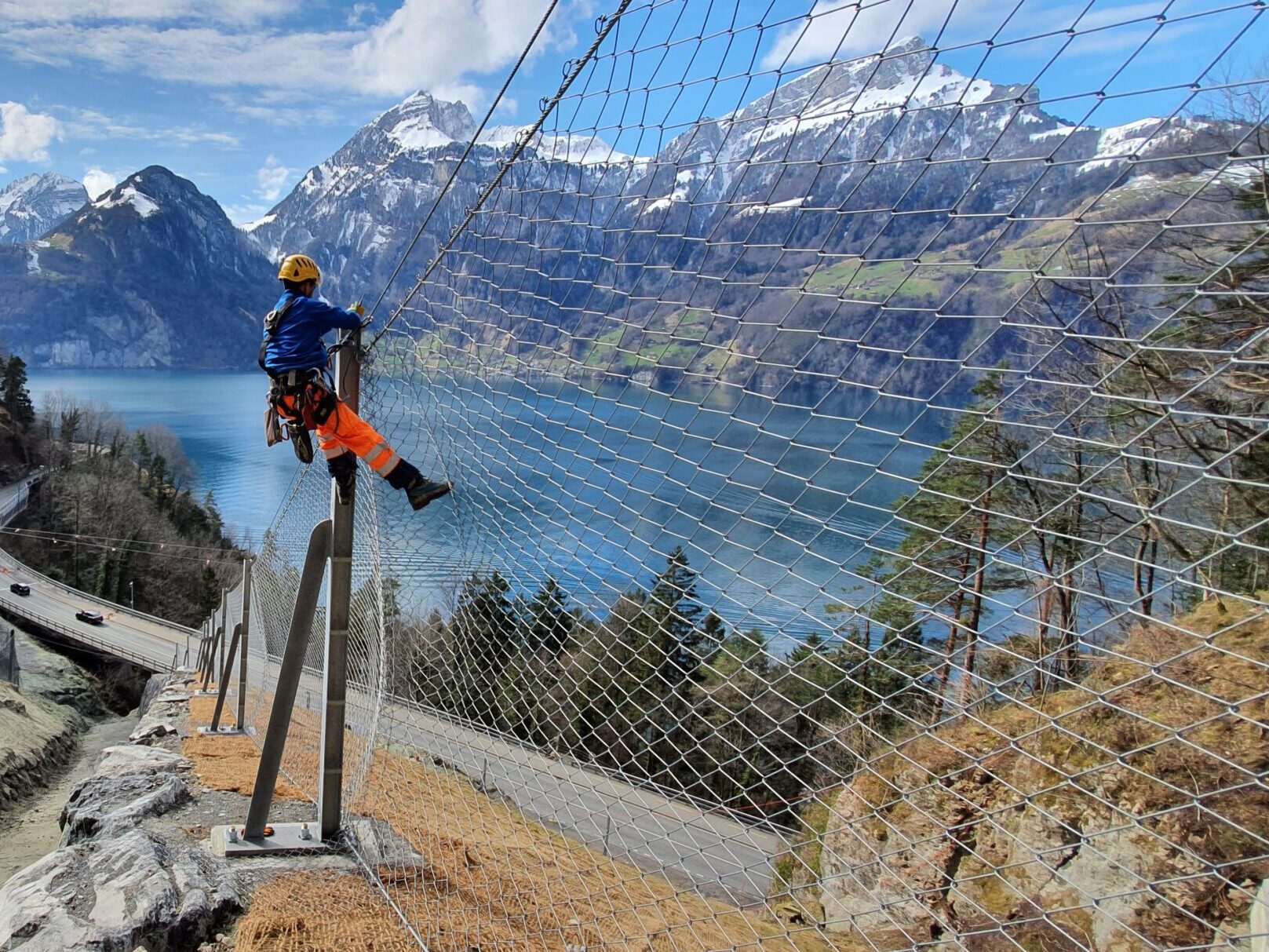
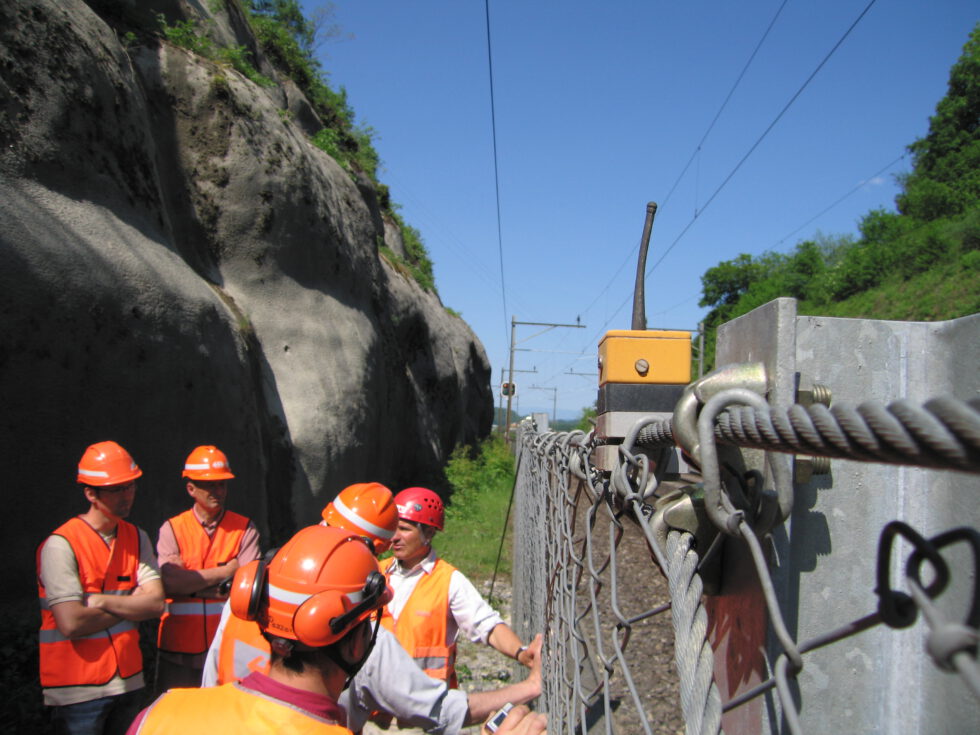
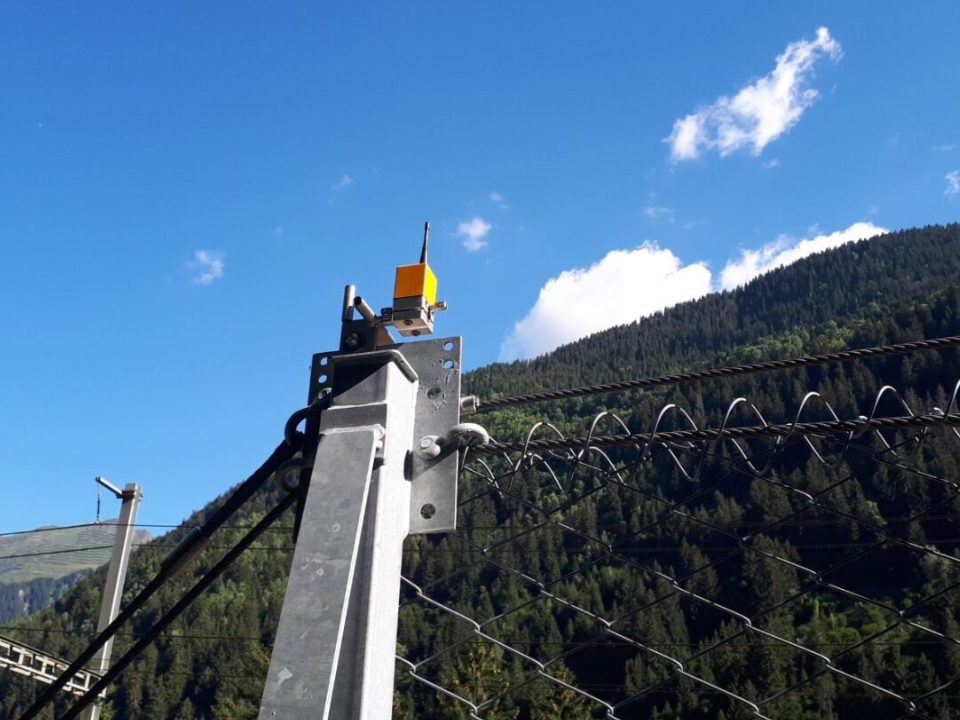
The key distinction for INGLAS is where detection happens, and what ‘real-time’ actually means. Many monitoring technologies observe hazards from a distance, providing valuable insight into long-term changes and trends. INGLAS takes a different approach. ImpactSentinel™ is installed directly on or around the protection structure itself, so when a barrier experiences an impact or significant movement, the system detects that physical interaction immediately.
That’s the difference between observing risk and detecting a real event that demands an operational response.
Demand for this kind of immediacy is growing, and it’s being driven by a combination of factors. Climate is a major one: more intense rainfall, freeze-thaw cycles and increasingly unpredictable weather are putting greater pressure on slopes and the structures designed to protect against rockfalls and landslides. At the same time, infrastructure managers are being asked to demonstrate active risk management and greater resilience, not just compliance on paper.
The practical reality for operators is that they’re being asked to keep routes safe and reliable in conditions that are becoming harder to manage. Rockfall barriers, nets and fences have traditionally been passive structures built to absorb an impact and little else. INGLAS’ view is that they no longer have to stay that way. Fitted with ImpactSentinel™ technology, they become active safety assets, capable of telling operators not just that something has changed, but that something has happened.
Seconds, Not Minutes
ImpactSentinel’s™ 2–4 second alarm speed is one of its clearest differentiators, and its significance depends on what happens in those first seconds. On a busy corridor, trains can pass the same point only minutes apart. If a barrier is struck and the alarm takes minutes to arrive at the control room, the next train may have already entered the section. The warning is technically delivered, but it’s too late to act on.
That’s where the gap becomes critical. When a protection structure is hit, those first seconds determine whether a controller can still slow or stop a train, or whether it’s already in the danger zone. ImpactSentinel™ raises an initial warning within about half a second, with the full alarm reaching the control room, operations team and train drivers directly within two to four seconds. That window gives operators the chance to make a decision while the event is still unfolding, rather than learning about it after the fact.
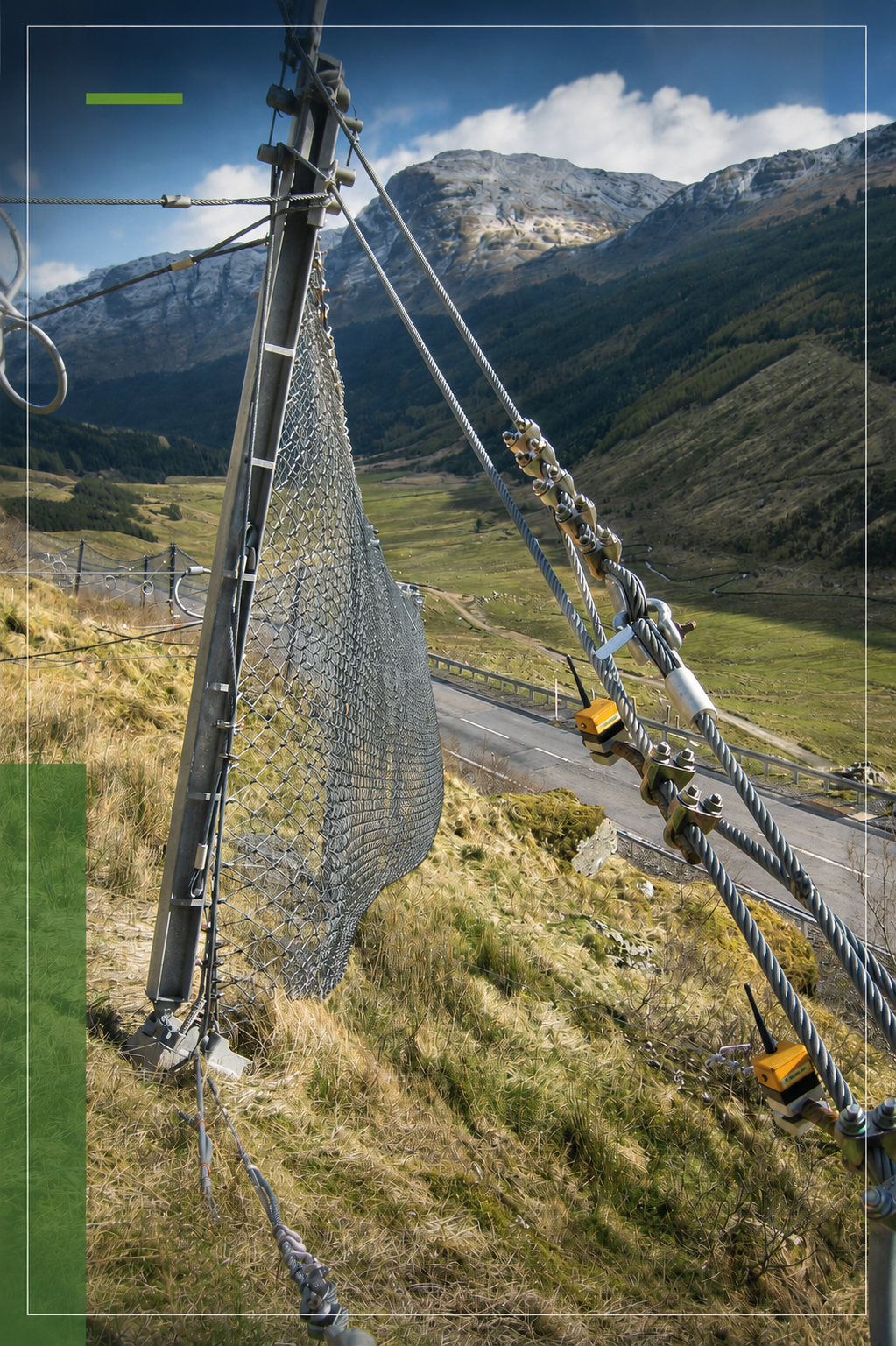
Reliability matters just as much as speed, particularly in the conditions where other systems struggle. Many INGLAS deployments sit in remote areas with difficult access and no mobile coverage, often making routine inspection impractical. ImpactSentinel’s™ sensors are built for harsh weather and rely on their own dedicated communication network, with redundancy built in throughout the system to ensure the data gets through. The objective is straightforward: dependable operation in the places where reliability matters most.
Building on a Proven Real-Time Detection Platform
ImpactSentinel™ has gone through several generations of development since its early days with SBB, but INGLAS’ guiding principle has not changed: keep it robust, keep it fast, and keep it reliable when conditions are at their worst.
Rather than replacing a proven system, INGLAS is building on an existing platform, with developments in communication range, flexibility and ease of deployment designed to make implementation and long-term operation simpler.
INGLAS welcomes conversations with anyone interested in understanding and managing risk around infrastructure. To find out more about INGLAS and ImpactSentinel™, contact the team directly at [email protected].