Hitachi Rail has been awarded a contract to modernise the signalling system on the Toronto Transit Commission’s (TTC) Line 2, replacing infrastructure dating back to the 1960s with communications-based train control (CBTC) technology.
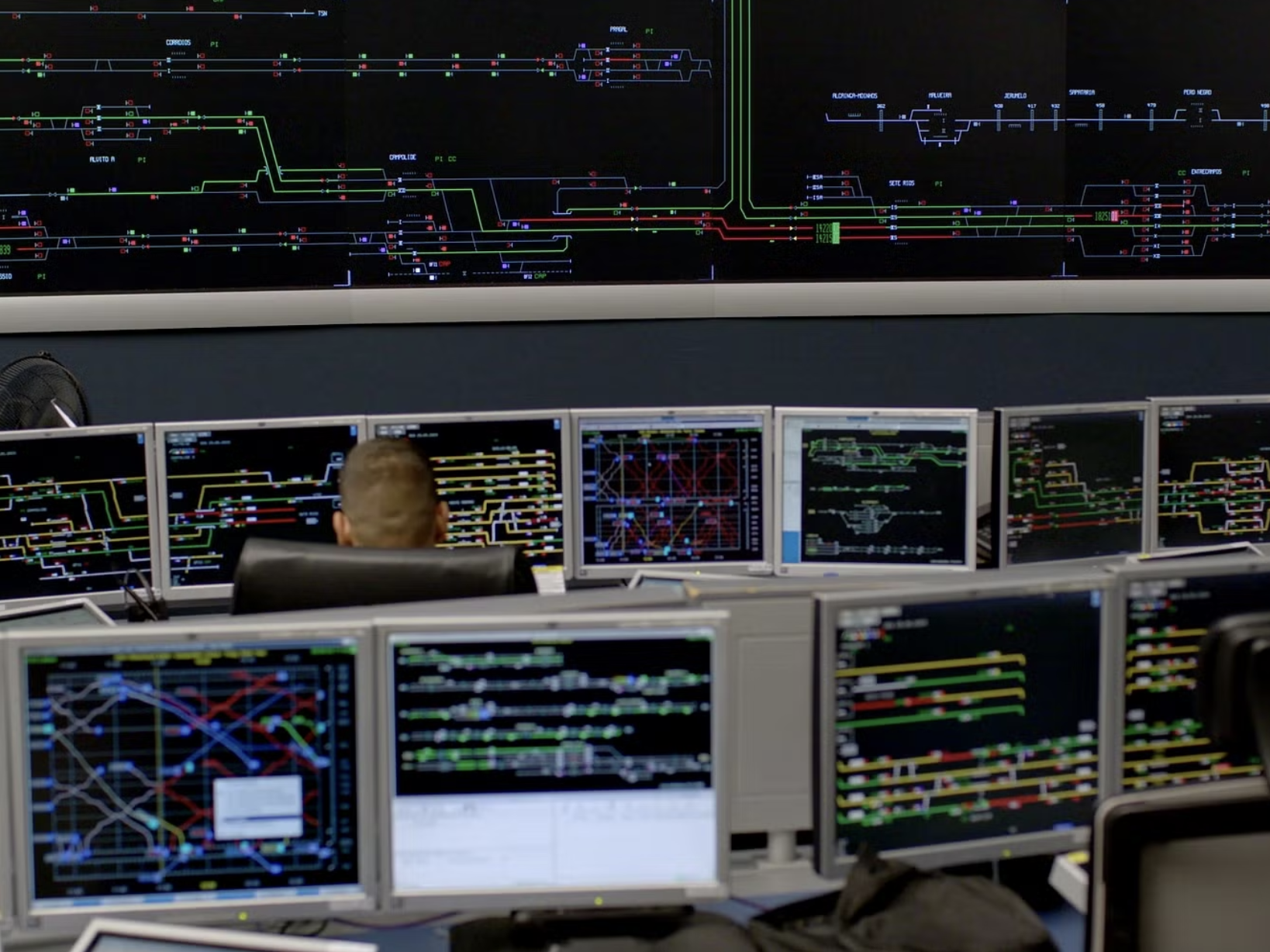
The project will introduce Hitachi Rail’s SelTrac™ CBTC system across the 26-kilometre Bloor-Danforth line, enabling trains to operate closer together while maintaining safe separation through automatic train control (ATC).

Once the upgrade is completed, Line 2 will be capable of carrying up to 33,000 passengers per hour during peak periods, compared with the current capacity of 23,400 passengers per hour. This represents an increase of up to 40 percent.
The signalling upgrade is intended to improve service reliability, increase operational flexibility and support growing passenger demand on one of Toronto’s busiest metro corridors, which carries more than 500,000 passengers each day.
The same signalling technology will also be installed on the 7.8-kilometre Scarborough Subway Extension, which is currently under construction. The extension will add three new stations—Sheppard, McCowan and Scarborough—and is expected to place around 38,000 additional residents within walking distance of the subway network.
TTC CEO Mandeep S. Lali said:We're modernising the TTC by investing in systems that increase capacity, improve reliability, enhance safety and support a growing city. ATC is the next evolution in signalling, enabling us to better manage trains in real time and deliver more frequent service to customers.
The project will be delivered from Hitachi Rail’s Canadian headquarters in Toronto, which houses the company’s global urban signalling competence centre. More than 1,100 employees work at the site, where signalling systems are designed, tested and developed for metro networks in Canada and internationally.
Hitachi Rail originally developed its SelTrac CBTC technology in Toronto during the 1970s. Since then, the system has been deployed on more than 100 transit lines across 40 countries and is now in its ninth generation.
The company is also now investing 100 million CAD in the development of next-generation signalling technologies in Toronto, including systems incorporating artificial intelligence and 5G communications.
Arnaud Besse, MD & COO, Hitachi Rail in Canada said:We’re proud that our world-leading technology, designed in Toronto, will improve passenger experience, enhance reliability and enable a capacity increase of up to 40% on Line 2. Today, our invention comes home. 50 years ago, we developed this technology here and exported it to the world’s most complex transit systems. Now, it returns to where it all began.
Hitachi Rail currently supplies signalling technology for a number of Canadian transit projects, including the Ontario Line, Hazel McCallion Line, Vancouver SkyTrain, Ottawa’s O-Train, Montréal’s metro network and Toronto’s Finch West LRT.