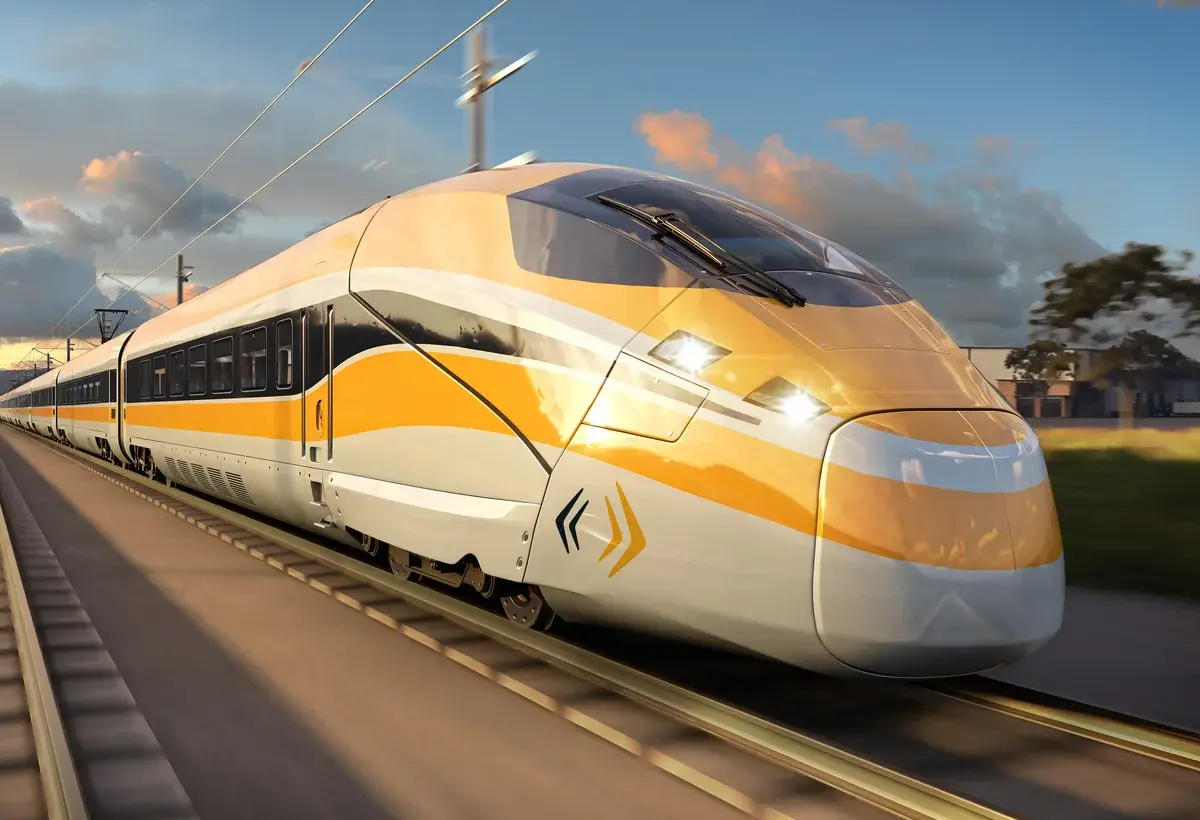
Hitachi Rail has announced that all of its new rolling stock will be equipped with its HMAX sensor technology from 2027, as the company expands its digital asset management platform across its rail portfolio.
The announcement was made at InnoTrans 2026 in Berlin, with the launch of ‘Enhanced by HMAX’. The initiative extends HMAX across rolling stock, signalling, infrastructure and railway operations, using real-time data and AI to support asset management and maintenance.
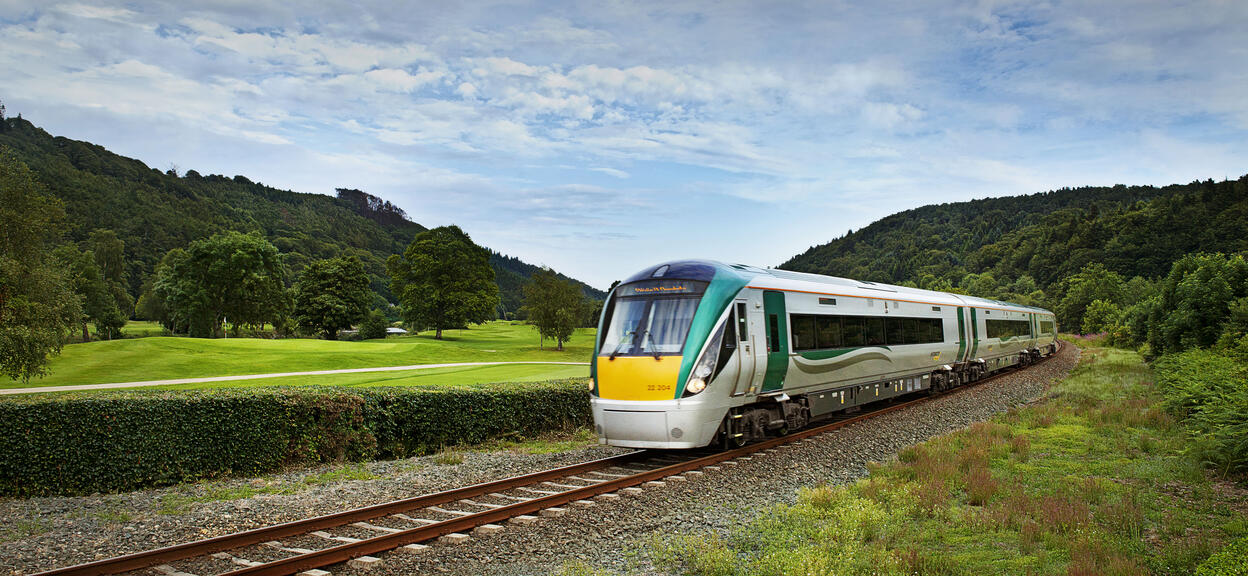
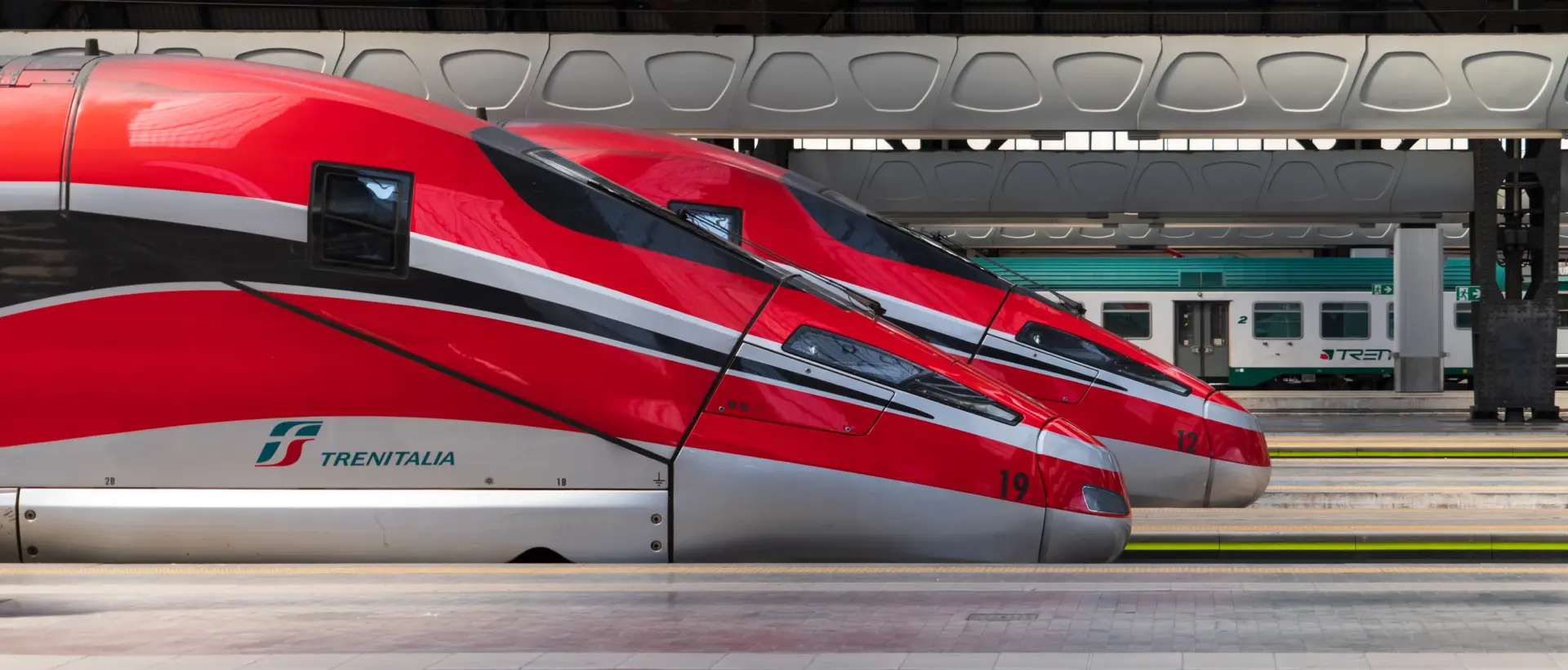
The technology will be fitted to new Hitachi Rail trains, including its ETR1000 high-speed train. HMAX sensors collect data from critical train systems, allowing operators to monitor asset performance and identify potential issues during operation.
Since HMAX was launched at InnoTrans in 2024, the technology has been installed on approximately 2,500 trains. Hitachi Rail expects this figure to reach almost 3,500 trains through its existing order pipeline.
Giuseppe Marino, CEO of Hitachi Rail, said:As part of today’s launch, our commitment to install HMAX on all new rollingstock from next year demonstrates how critical digital asset management has become to the performance, reliability and efficiency of modern rail fleets.
Enhanced by HMAX’ represents the next step in our mission to deliver the digital mobility transition, embedding AI and real-time intelligence into every part of the railway system. By connecting rolling stock, infrastructure and operations through a single data platform, we are enabling our customers to unlock greater value from their assets and operations.
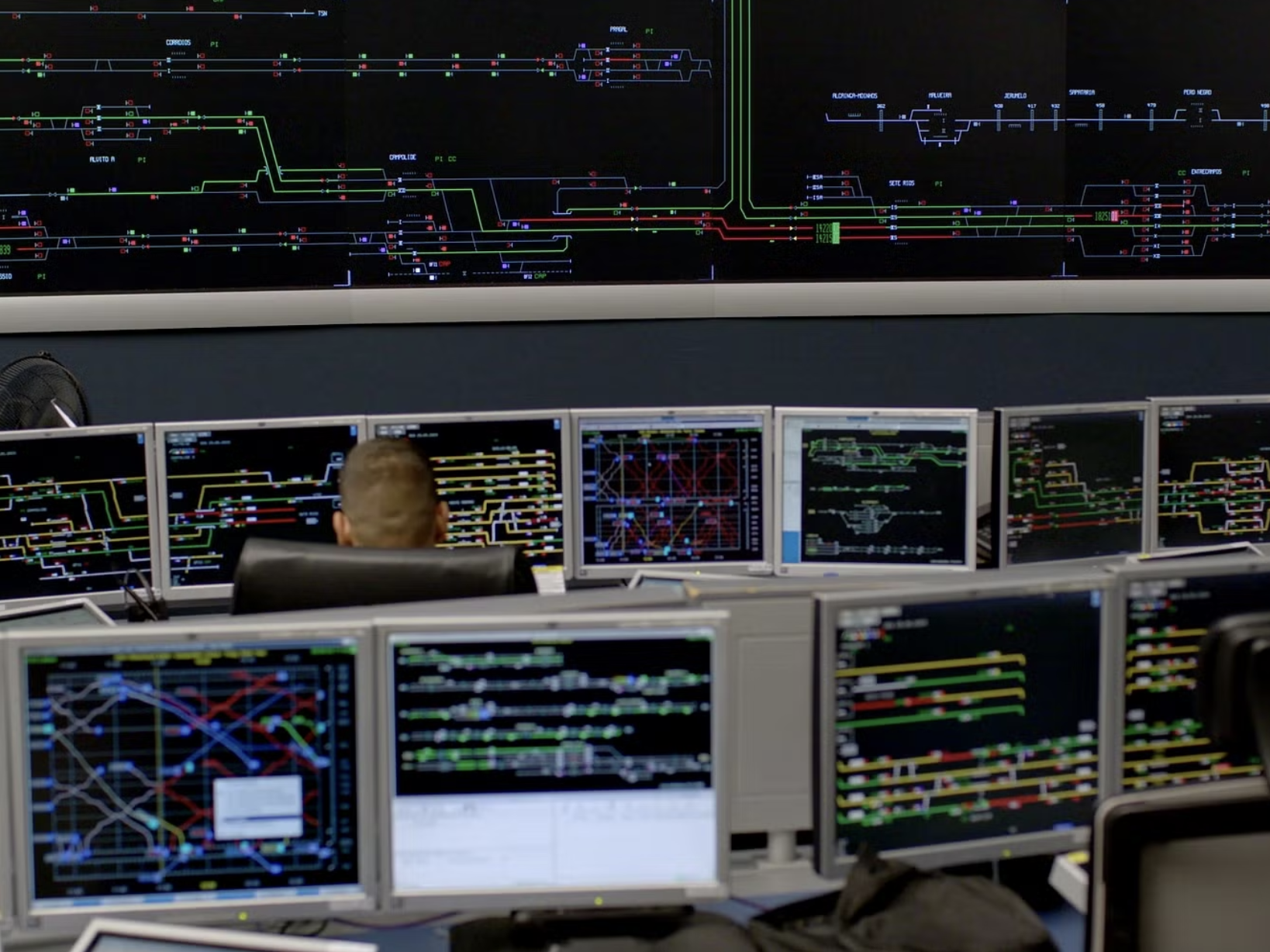
Hitachi Rail is also using HMAX to integrate information between railway operations and maintenance teams through its integrated Operating Control Centre (iOCC). The platform brings asset health information into operational decision-making, allowing operators to respond to potential degradation while also triggering or informing maintenance activity.
HMAX continuously analyses data from across the railway system rather than relying on separate planning meetings, spreadsheets and phone calls to share information. This approach can help operators manage disruptions while considering the condition of the assets involved.
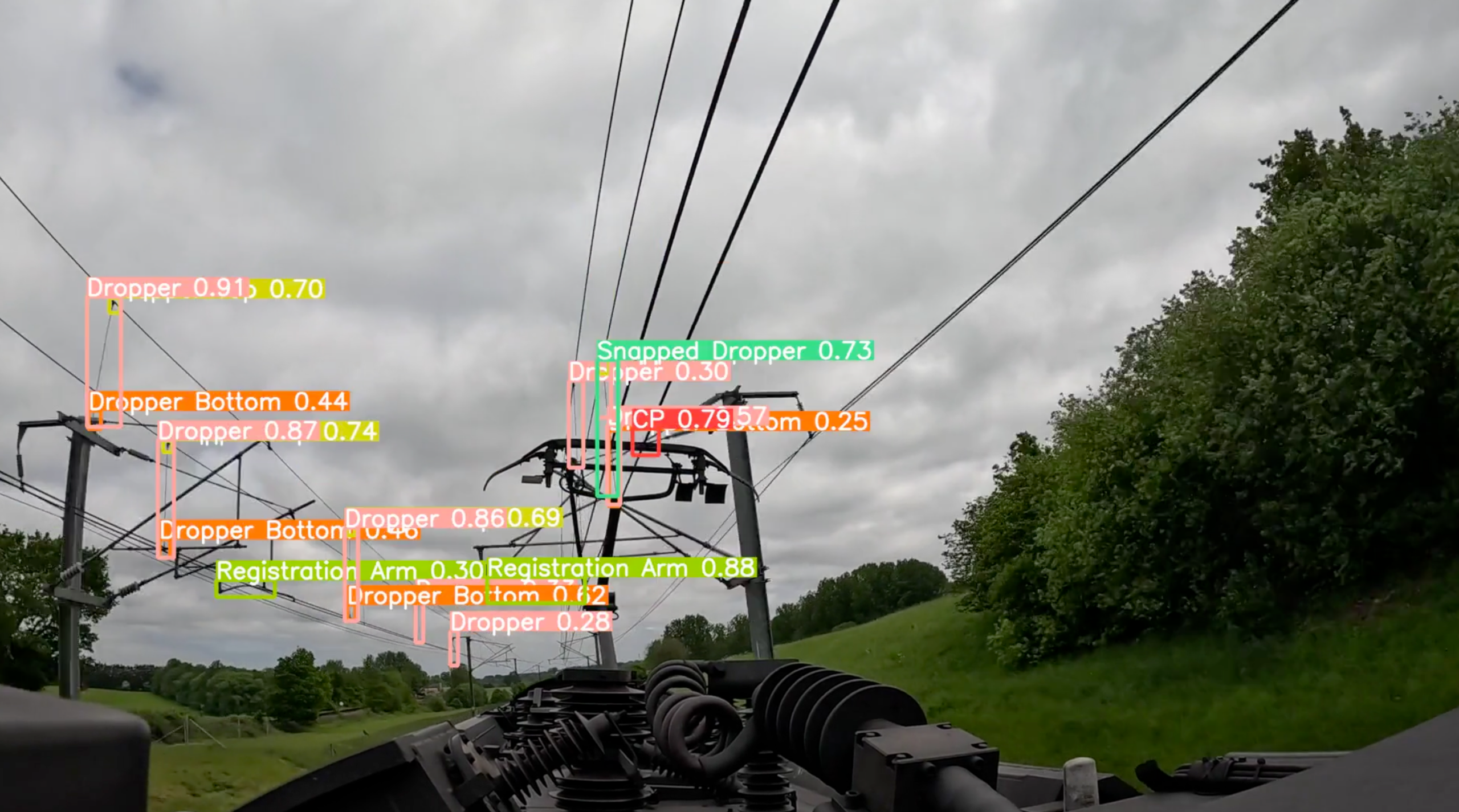
One example presented at InnoTrans is HMAX’s application to overhead line monitoring. Cameras mounted on in-service trains can collect footage of catenary equipment, with onboard computing used to analyse the data. Hitachi Rail said that previously, processing a day’s footage could take up to 10 days because of manual data extraction and cloud processing.
The company is now using NVIDIA IGX Thor through HMAX to process the data at the edge in real time. Rather than transmitting all captured footage for processing, the system can identify potential faults and transmit relevant information for further review.
This can allow infrastructure teams to identify issues more quickly and make corrective decisions while reducing potential disruption.
HMAX and Autonomous Tram Development
Hitachi Rail also highlighted the use of HMAX technologies in the development of autonomous tram systems.
The systems combine next-generation autonomous positioning (NGAP), which the company says can provide track-location accuracy of less than one metre, with obstacle detection, classification and tracking.
The technology uses sensor data from inertial measurement units, radar, LiDAR, stereo cameras and GNSS. Hitachi Rail said AI models have been developed using simulated railway environments, allowing the systems to be trained against scenarios that may be difficult or unsafe to reproduce during live operations.
The company is also using NVIDIA Omniverse libraries, NVIDIA Cosmos and the NVIDIA Metropolis Blueprint for video search and summarisation as part of this work. Hitachi Rail said the approach could reduce the amount of ground-based infrastructure required for autonomous tram systems, while also reducing installation and maintenance requirements.
HMAX is also intended to support maintenance and energy management. Hitachi Rail said some real-world deployments have delivered reductions of up to 15% in maintenance costs and 15% in energy consumption.