Deployment marks a milestone in India’s move from mechanical gauges to digital measurement.
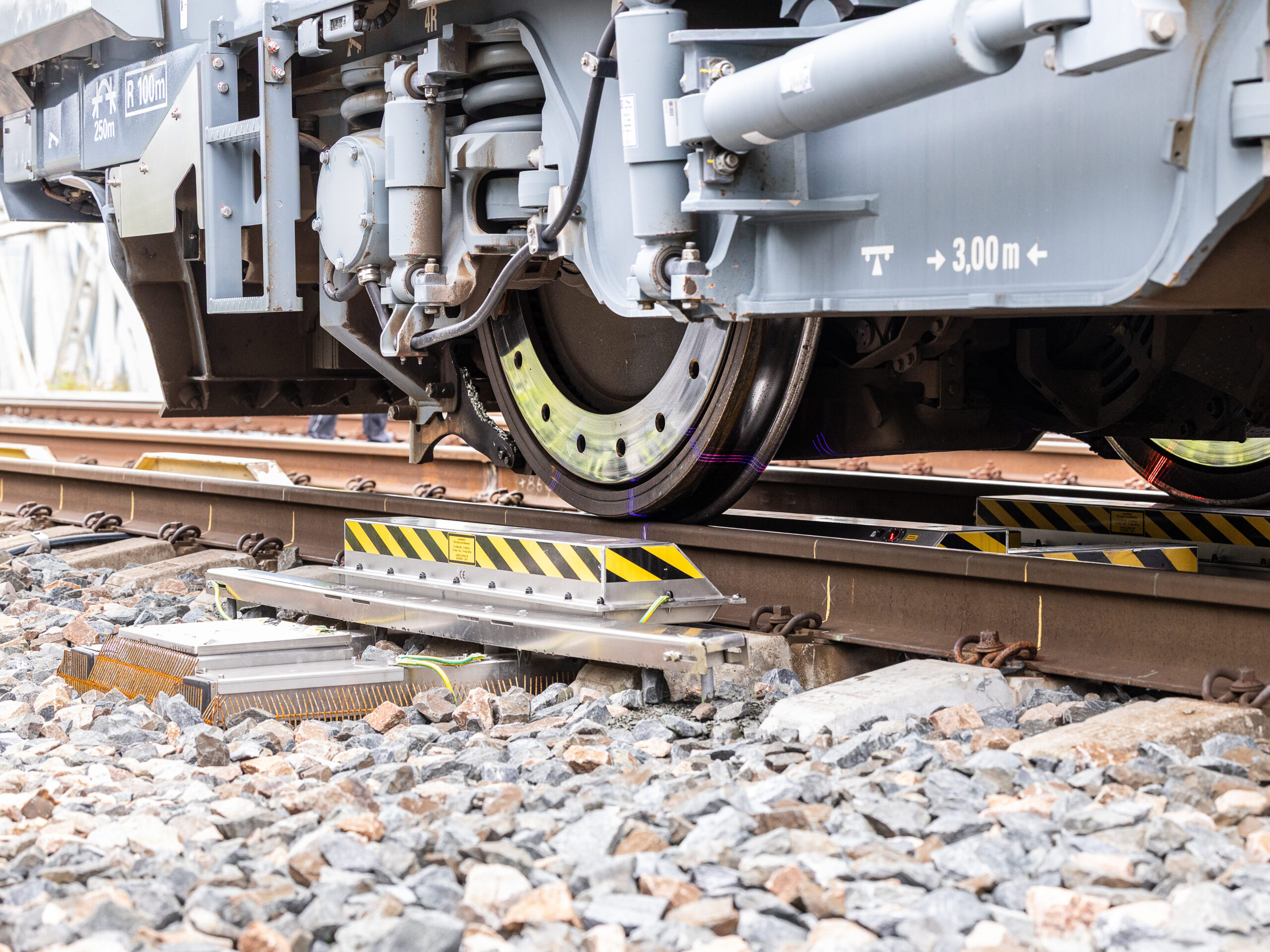
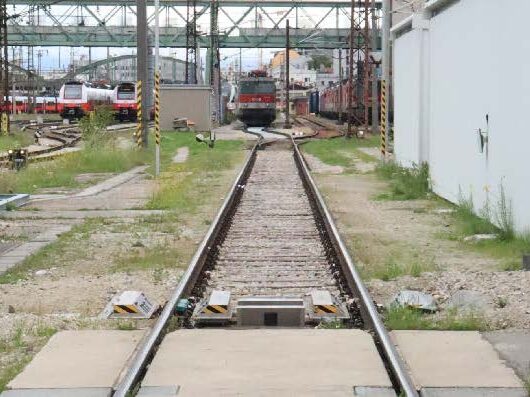
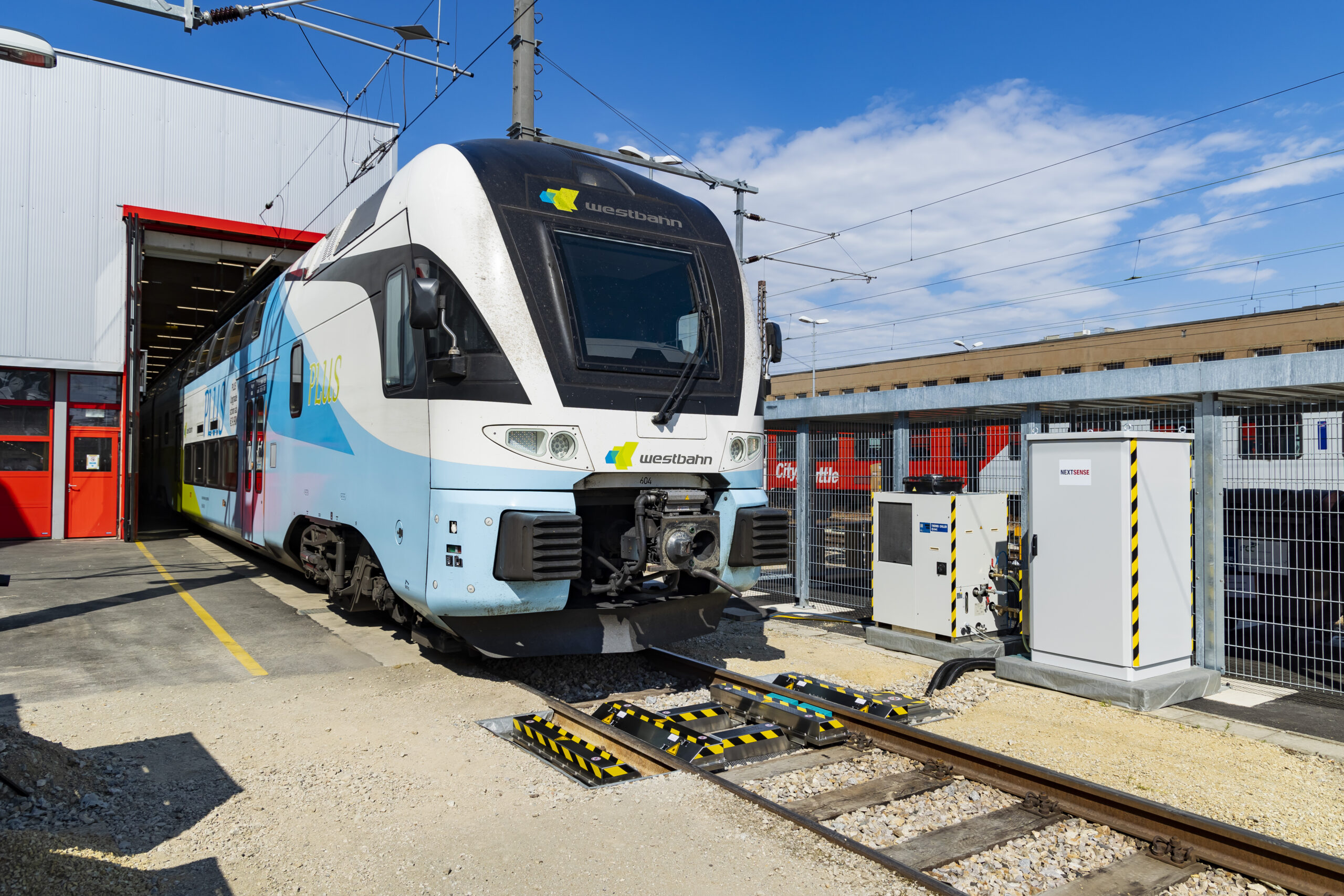
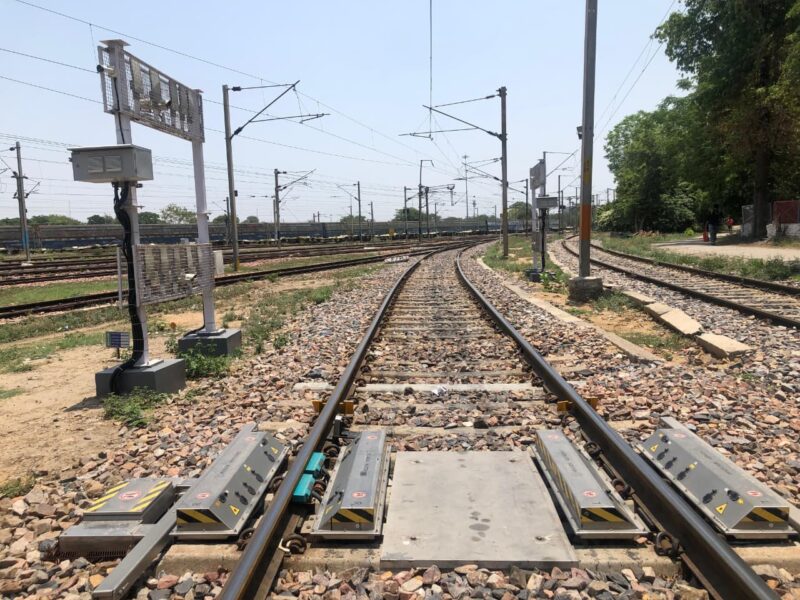
Indian Railways has ordered four CALIPRI X wheel profile measurement systems from Hexagon, marking a step change in how wheelset condition is measured and managed across one of the world’s largest rail networks.
This project marks the Austrian manufacturer’s first deployment of its automated optical measurement technology on India’s national rail network. Delhi Metro Rail Corporation (DMRC) is acting as technical consultant for the project, drawing on more than 15 years of experience with its handheld CALIPRI devices across its own metro lines and depots. DMRC also has its own stake in the outcome, as it hopes the project’s success will help establish its consultancy credentials in this field internationally.
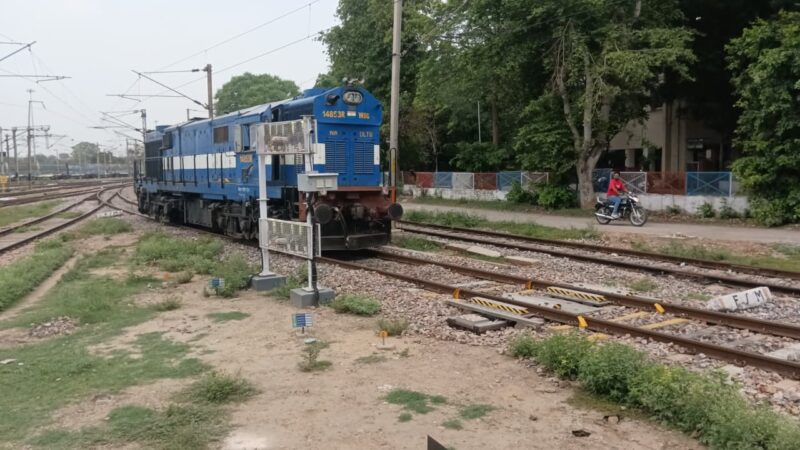
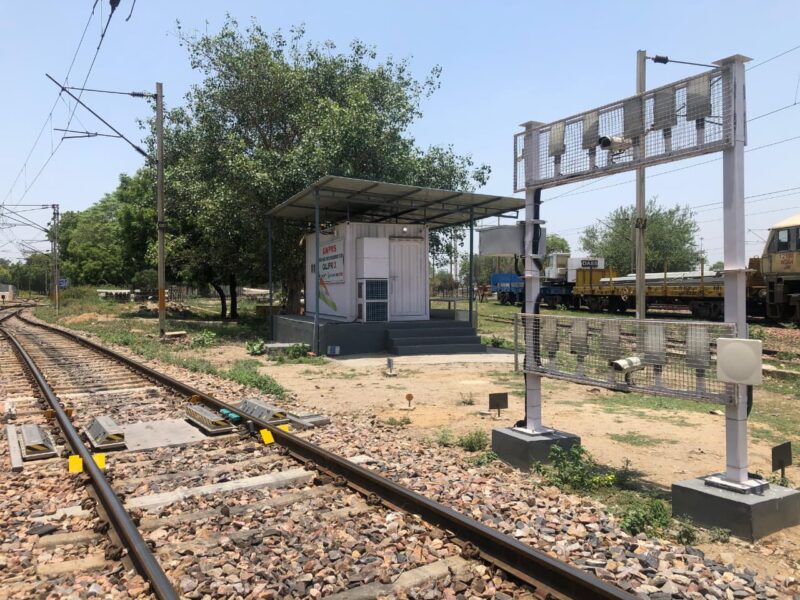
The CALIPRI X systems will be installed across four sites chosen for their diverse operational environments and maintenance conditions: the Wagon Yard Tughlaqabad and Anand Vihar Coaching Depot in Delhi, Pandit Deen Dayal Upadhyaya Junction in Mughalsarai, and LTT Station in Mumbai (Central Railway).
This project is being treated as an important milestone in modernising wheelset profile measurement across Indian Railways, enabling a comprehensive evaluation of CALIPRI X under varying traffic loads, climate conditions and maintenance practices. The results of this exercise will then inform how, and how quickly, the technology is rolled out further.
The Case for Change
Mechanical gauges have long been the standard for wheelset measurement, but that’s now changing, driven partly by a series of derailments and accidents that have sharpened its focus on wheelset condition monitoring.
Wheel profile measurement systems (WPMS) are expected to be adopted at scale in the coming years, with a significant number of installations anticipated as part of Indian Railways’ transition from conventional manual inspection methods to digital maintenance methods.
However, mechanical gauges are currently the standard across Indian Railways, regularly supported by CALIPRI Prime and C42 handheld units. Beyond wheel profile measurement, the C42 covers a wider range of rail and wheel parameters, making it a versatile tool in its own right as operators build toward wider WPMS adoption.
Why CALIPRI X
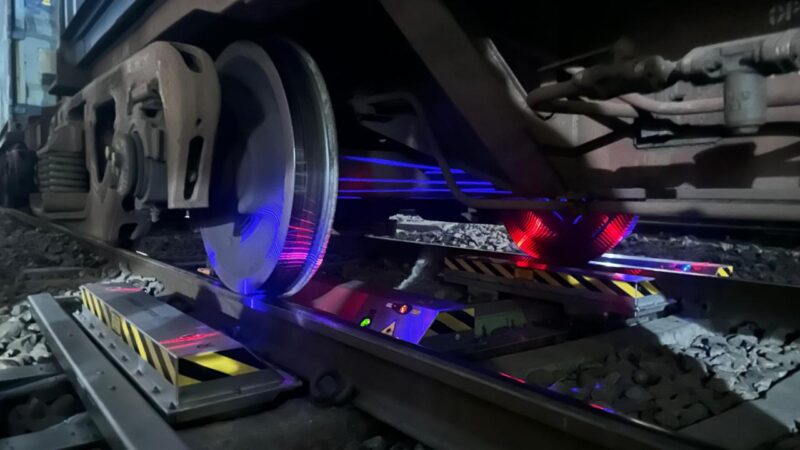
Hexagon’s win came down to what CALIPRI X could offer that mechanical gauges and older systems couldn’t: high measurement accuracy and repeatability from non-contact optical technology, faster inspection, full digital traceability, and a system built for predictive, condition-based maintenance rather than periodic manual checks.
That track record, along with CALIPRI X’s Deutsche Bahn certification, helped position it as more than a standalone measurement device: part of a broader modernisation and safety initiative across Indian Railways’ entire network.
Built on Existing Trust
This win didn’t happen in isolation; strong operational references from national and international metro and mainline rail applications also supported Hexagon’s CALIPRI X proposal.
In India, DMRC has used CALIPRI handheld devices, including the C42, across all its metro lines and depots for more than 15 years, for example. That long track record has built genuine trust in the technology – particularly around reliability, ease of use and consistent results even in demanding conditions. DMRC staff’s familiarity with CALIPRI systems has significantly helped facilitate discussions, demonstrations and the acceptance of new technologies – such as CALIPRI X.
Challenges
As with any large-scale rollout, this project came with its own set of demands – chief among them in India’s case, a varied climate. High humidity, monsoon rainfall and heavy dust exposure all put real pressure on optical measurement equipment designed to hold accuracy in the field, offering a rigorous real-world test of how the system performs under sustained pressure.
The company has also had to adapt its optical measurement technology to harsh operating conditions, integrate digital inspection into existing maintenance workflows and regulations, and ensure reliable performance across railway zones with very different infrastructure.
Training has also been a significant undertaking. operators and maintenance staff who have worked with mechanical gauges throughout their careers are now learning an entirely different way of working, against a backdrop of high expectations around system performance, availability and ease of use.
Despite the scale of the challenge, this project has been a valuable learning and development opportunity for all involved, and is expected to shape future deployment strategy across Indian Railways.
A Trusted Local Partner
Novius is CALIPRI’s sales partner in India and, in Hexagon’s own assessment, essential to the continued success of CALIPRI X in the region.
The company’s role extends well beyond sales, providing Hexagon with local coordination and communication, customer support and relationship management, technical discussions and demonstrations, and hands-on support during project execution – all alongside ongoing promotion of CALIPRI technology across the wider Indian railway ecosystem.
Philipp Sandheigl, Senior Sales Manager – Railways, at Hexagon, said:Its local presence and continuous engagement have been key success factors in building trust among stakeholders and supporting long-term business development in the region.
Make in India
Make in India is the Indian government’s flagship initiative to turn the country into a global manufacturing and design hub, launched back in September 2014 as part of a wider push to open key sectors, including railways, to greater investment and to build domestic industrial capacity rather than rely solely on imported technology.
For international suppliers, that means local manufacturing content increasingly matters alongside the technology itself when winning Indian rail contracts. In the case of the CALIPRI X, even though the contract sits with an Austrian technology provider more than half of each system is manufactured in India, and Hexagon credits Novius with making that balance possible.
Rather than treating Make in India’s localisation objectives as a constraint on winning business, the partnership shows how an international supplier can meet them directly, pairing Hexagon’s core technology with local manufacturing capacity built through Novius.
Looking Ahead
Hexagon frames the Indian Railways project as evidence of something broader: an international technology provider and the Indian rail industry working through a genuinely collaborative deployment, and a railway that’s increasingly open to digital inspection and predictive maintenance as part of its long-term modernisation strategy.
The first system has already been installed, and with the further three due for installation across contrasting freight and passenger environments in the coming months, the results from Delhi and Mumbai look set to shape how far, and how fast, WPMS technology spreads across the rest of the Indian Railways network.
This article was originally published by CALIPRI.