Developed in direct response to customer feedback, Paragon’s next-generation smart fuel pump is securing widespread OEM adoption by transforming a historically silent component into an active, self-regulating diagnostic tool.
In the demanding world of freight rail operations every minute of uptime is critical. A locomotive out of service is a significant drain on resources costing operators not just in repair time but also lost revenue and logistical disruption. For years a frustratingly common issue has plagued maintenance depots: the unnecessary replacement of fuel pumps.
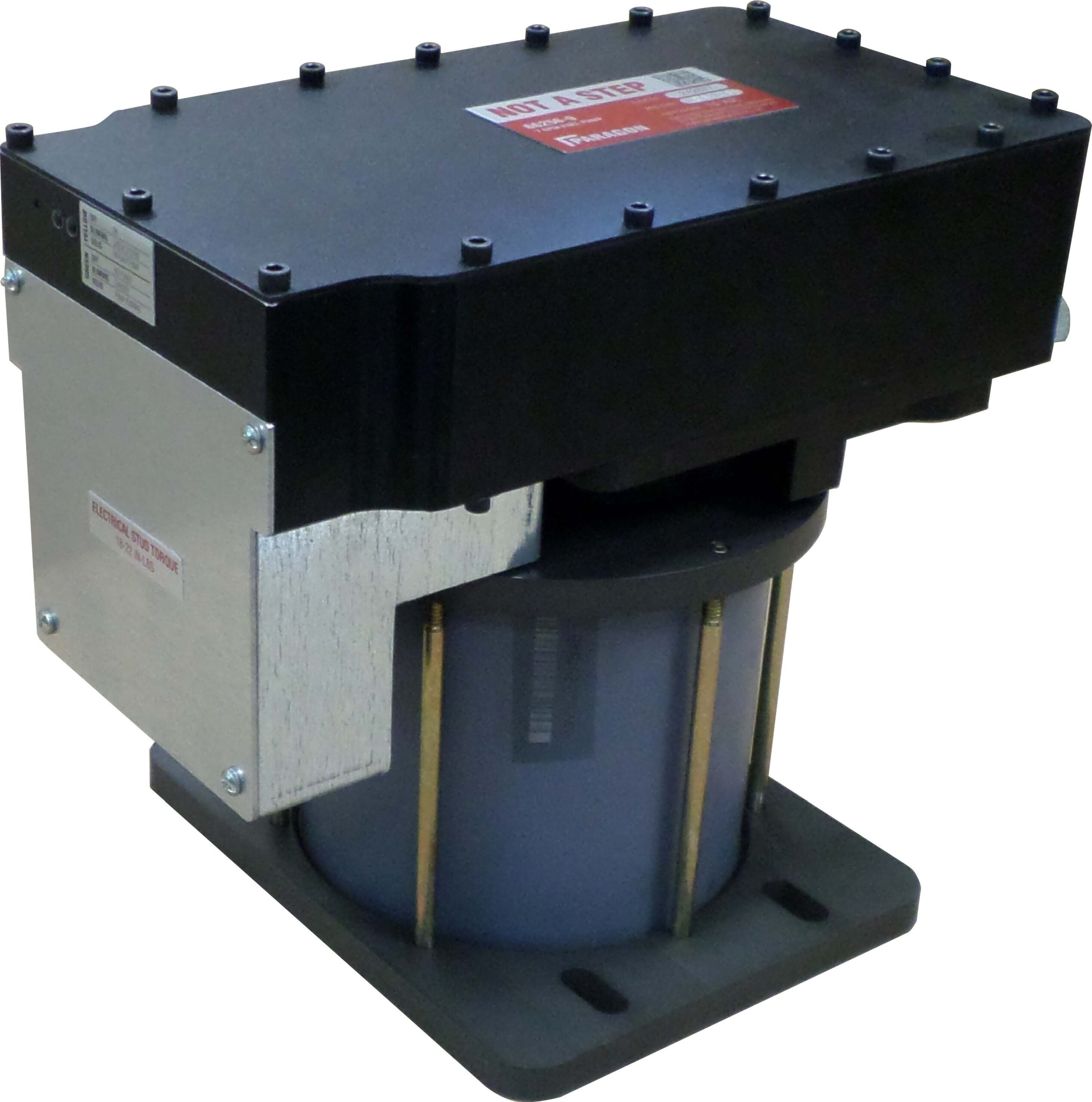
Often blamed for any fuel system issue, these vital components have been removed and returned to the manufacturer only to be designated ‘no trouble found’ (NTF). This cycle of misdiagnosis results in wasted labour, repeat failures and staggering costs. Now a new generation of smart fuel pump technology from Paragon Products is set to end this costly problem for good.
A Truly Dynamic Component
The issue stems from the traditional simplicity of locomotive fuel systems. The pump is the only truly dynamic component so when a failure occurs it’s the first and easiest part to blame. Technicians frequently report issues like a ‘noisy’ pump – a symptom that’s almost always indicative of an external problem such as air in the suction line rather than a defect in the pump itself. This leads to a costly loop of trial and error.
For one major US Class 1 operator the NTF rate for pumps on a specific locomotive fleet was as high as 70%. Each unnecessary pump change represents a significant financial hit. A typical road failure can cost an operator around US$15,000 in operational losses and a locomotive can be out of service for a full day as it’s moved to a shop.
Add to this the labour for the change out shipping costs and the fee for testing a perfectly good pump, and the expenses quickly multiply. Worst of all the original problem remains unsolved meaning the locomotive is destined for another failure and another trip to the depot.
Responding to Customer Feedback
It was direct feedback from customers facing this exact challenge that spurred Paragon to act. Recognising that the pump itself could be the key to solving the diagnostic puzzle, the company developed the first-generation smart fuel pump. The goal was to give the pump a voice, allowing it to tell technicians what was really happening within the fuel system.
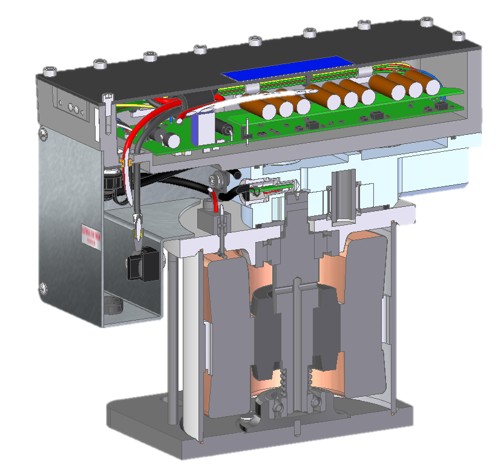
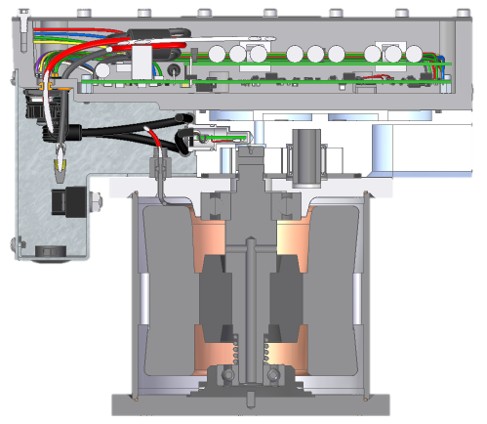
Engineers at Paragon equipped the pump with the ability to monitor its own current voltage and pressure. By first collecting vast amounts of real-world data from locomotives in ‘dumb mode’, they established a baseline for normal operation. They then compared this data with the distinct electronic ‘signatures’ created by common failure modes such as a clogged fuel filter, suction-side air leak or an out-of-range voltage supply, which were replicated in bench testing.
Intelligent Firmware
With this intelligence embedded in its firmware, the pump can now actively diagnose the system in real time. Rather than being a silent victim of external factors it becomes the first line of defence in troubleshooting. It communicates its findings through a simple yet effective system of green and yellow LED lights on the unit itself. A solid green light means the pump is running correctly.
A blinking yellow light might indicate a dry run condition prompting a check of the fuel tank level. A combination of blinking lights can point to a locked rotor or voltage issue. With this clear visual guidance technicians can immediately understand the health of the system and avoid changing a healthy pump.
While this diagnostic capability marked a major leap forward, Paragon continued to listen to its customers and identified another critical area for improvement. This led to the development of the second-generation smart pump – a variable-speed unit that fundamentally changes how fuel is managed.
Resolving Discrepancies
Historically, locomotive fuel systems have operated on a constant flow principle. The pump delivers a fixed volume of fuel – for example seven gallons per minute – which creates a system pressure of around 120 psi. However, the engine itself may only require 90psi. To resolve this discrepancy a mechanical regulator valve is used to bleed off the excess pressure, dumping unused fuel back into the tank. While functional this design has two significant drawbacks.
Firstly, as locomotives age and fuel tanks accumulate debris, these mechanical regulator valves are prone to sticking or becoming clogged. When this happens the constant-flow pump continues to push its full volume into a blocked system. The pressure builds uncontrollably, sometimes exceeding 250psi, until it finds the weakest point to escape. This has led to catastrophic failures including ruptured fuel filter housings and massive fuel leaks that pose a serious environmental risk and a safety hazard to personnel.
Intelligent Regulation
The new Paragon smart pump eliminates this failure mode entirely. Instead of maintaining a constant flow it operates as a variable-speed unit that intelligently regulates itself to maintain a precise target pressure. The pump only delivers the fuel the engine needs, eliminating the requirement for an external mechanical regulator. If the pump’s internal pressure sensor detects a blockage it automatically throttles down. If the pressure continues to build the pump will shut itself off preventing a dangerous over-pressurisation event.
The second benefit of this variable-speed approach is extended fuel filter life. In a traditional system a significant portion of the fuel that’s filtered is immediately dumped back into the tank to be contaminated again. By only pumping and filtering the fuel required at any given moment the Paragon smart pump reduces the load on the filters. Paragon is currently conducting tests to quantify the exact extension of filter life, with plans to publish a formal paper on the findings within the next year.
Designed for Harsh Environments
Designing a product to withstand the uniquely harsh railway environment was a challenge Paragon was well-equipped to meet, having cut its teeth in the rail industry. To ensure a service life of over ten years engineers focused on critical areas of durability. They implemented a ceramic hybrid bearing and engineered out all dynamic seals – a common failure point in other pumps.
To protect the sophisticated electronics from the extreme heat of the engine cab they also developed an innovative fuel-cooling system that uses the locomotive’s own fuel supply as a massive heat sink, circulating it through the inverter to keep components cool. Furthermore, a soft-start function gradually builds up power reducing the high-current draws that wear down electronic components over time.
Delivering Enhanced Reliability
This commitment to creating a robust future-proofed solution is reflected in the product’s adoption. The smart pump has been approved by and is being purchased by major OEMs, including Wabtec and Progress Rail, and is already being implemented at a large scale by two US Class 1 operators.
By offering this advanced technology at a price point only marginally higher than its legacy pumps, Paragon is providing a compelling upgrade path for operators looking to enhance reliability and escape the problem of obsolete electronic components. It represents a move towards a more reliable, efficient and safer future for rail operations – one where the blame game finally comes to an end.