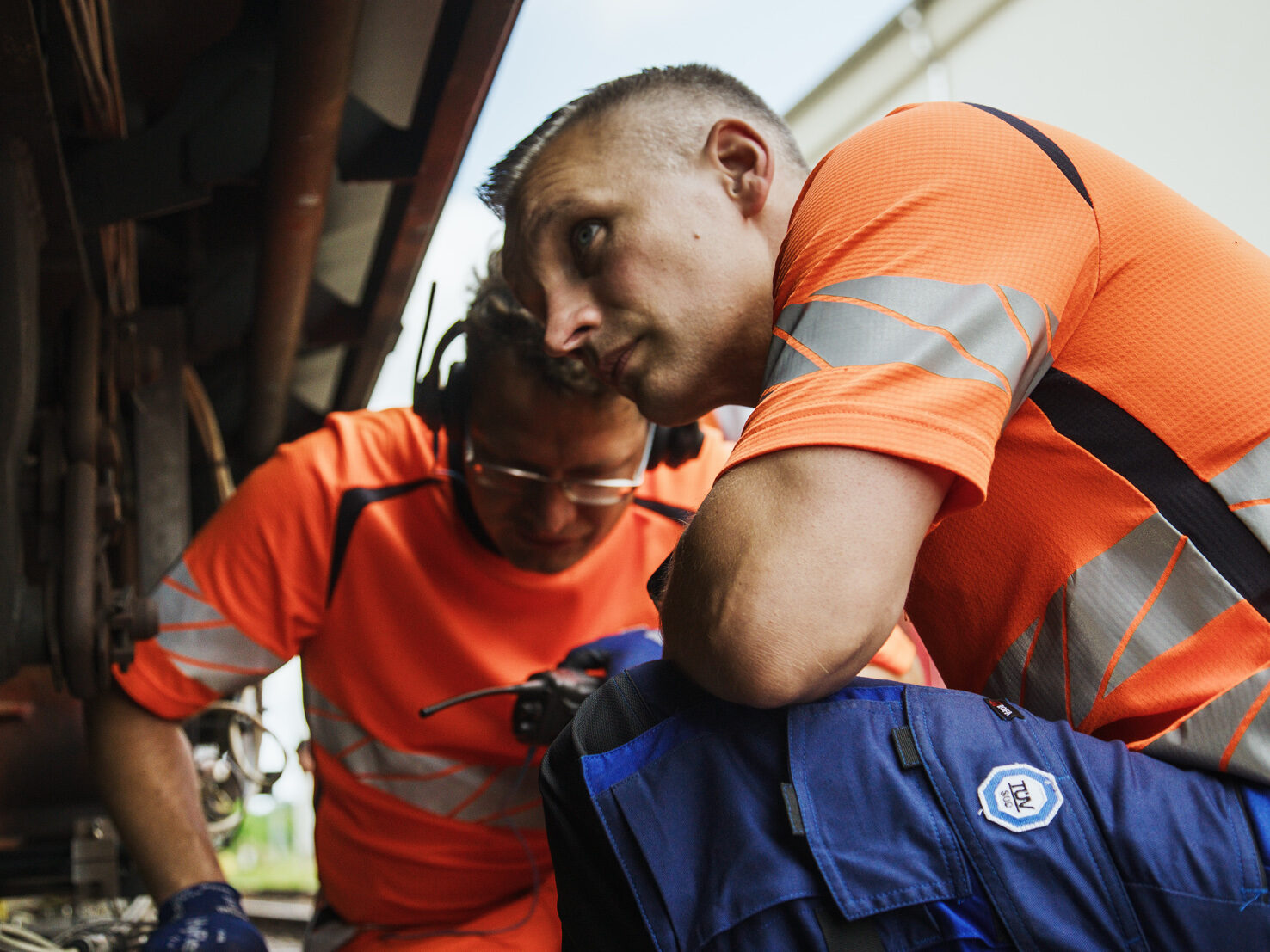
Battery and hydrogen propulsion are entering a decisive phase in the evolution of rail transport. What was once limited to pilot projects is now moving rapidly into large-scale deployment. Across Europe, rising order volumes, an increasing number of tenders, and first operational experience in daily service of battery trains clearly show that alternative propulsion is becoming part of the new normal. This shift is changing the rail industry’s perspective on innovation, safety, and operational readiness.
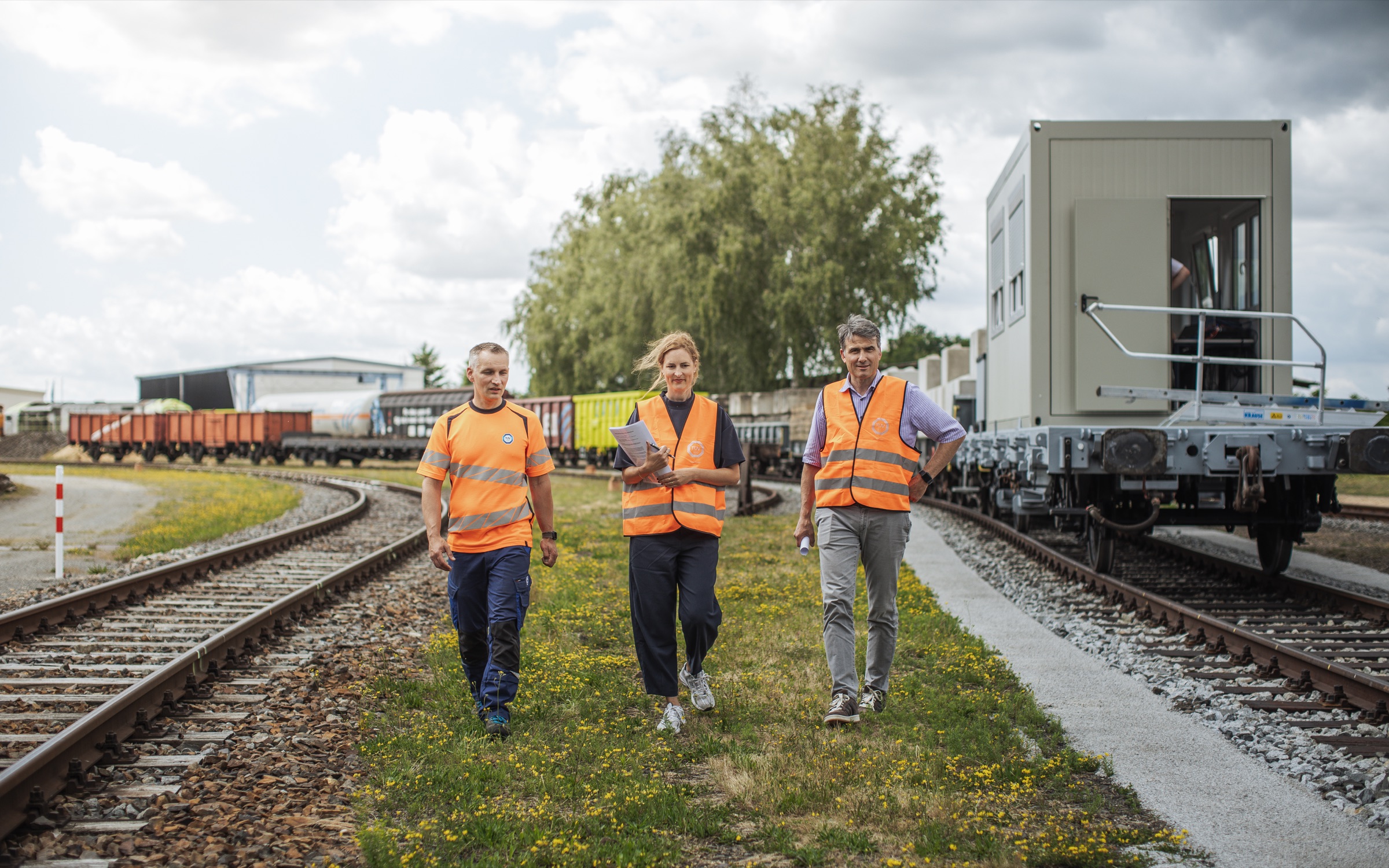
Tolga Wichmann, Lead Assessor Alternative Propulsion for Rolling Stock at TÜV SÜD, said:The key question is no longer whether these technologies will be deployed, but how they can be introduced safely, efficiently, and at scale.
Innovation Outpacing Standards
At the same time, the regulatory landscape is still catching up. Unlike conventional rolling stock technologies, battery energy storage systems (BESS) and hydrogen energy supply systems (HESS) are not yet fully covered by harmonised railway standards. Manufacturers are therefore required to bridge multiple worlds: combining railway-specific requirements with regulations from other sectors, such as automotive or stationary energy systems, while applying explicit risk assessment methods to demonstrate safety.
For operators and infrastructure managers, this creates a new level of uncertainty. What constitutes an acceptable level of risk? How can innovative systems be integrated into existing networks without introducing unintended hazards? And how can safety be demonstrated in a consistent and comparable way across projects?
From Compliance to Risk-Based Thinking
In this evolving environment, safety assurance is undergoing a fundamental shift. Traditional compliance-driven approaches, built around predefined rules and standards, are no longer sufficient on their own. Instead, risk-based thinking is gaining importance. This means looking beyond individual components and understanding how systems behave under real operating conditions. Interactions between vehicles, infrastructure and operational processes must be considered, as well as failure scenarios that go beyond established design assumptions.
Battery and hydrogen technologies illustrate this challenge particularly well. While technically distinct, they both introduce system-level risks that cannot be addressed through component-level compliance alone. Battery systems, for example, involve risks such as thermal runaway, fire propagation, and the release of toxic gases. Hydrogen systems, in contrast, require careful management of high-pressure storage, potential leakage, and complex refuelling interfaces. In both cases, safety depends not only on the robustness of individual components, but on how the entire system is designed, integrated, and operated.
Beyond Approval: The Role of Operation and Maintenance
A critical aspect of this transformation lies beyond initial vehicle approval. The safety case established during the approval phase provides an essential baseline, but it does not fully reflect the realities of long-term operation. In daily service, additional risks emerge from battery ageing, changing operating conditions, maintenance procedures, and interactions with infrastructure. Workshop environments, charging processes, or hydrogen refuelling introduce further layers of complexity. In the event of a system failure or emergency scenario, technology-specific emergency response plans must be in place and clearly understood by both personnel and emergency services.
As a result, safety responsibility is no longer limited to manufacturers. Operators and maintenance entities play a central role in managing residual risks throughout the lifecycle. Clear operational procedures, transparent communication of safety-related application conditions, and targeted training of personnel are key to ensuring safe and reliable operation over time.
Smart Assessment: Focusing on What Matters
With increasing system complexity, the need for more efficient and targeted assessment approaches becomes evident. Traditional full-scope conformity assessments often struggle to reflect the actual risk profile of innovative technologies. Risk-oriented methodologies, often referred to as “smart assessment,” provide a more effective alternative. By aligning the depth and scope of assessment with the severity and likelihood of risks, they allow resources to be focused on what truly matters. This not only improves the quality of safety validation but also enables faster and more scalable approval processes: a crucial factor as alternative propulsion technologies move into widespread deployment.
Enabling Safe Innovation
The transition to alternative propulsion is essential for achieving climate targets and modernising rail transport. However, technological innovation alone is not enough. It must be accompanied by a shift towards true risk intelligence. Only by systematically identifying, assessing, and managing risks across the entire lifecycle, from design and integration to operation and maintenance, can the full potential of battery and hydrogen propulsion be realised safely.
TÜV SÜD supports this transition with established risk-based methodologies and extensive international rail expertise. By combining independent testing, inspection, and certification services with practical project experience, TÜV SÜD helps manufacturers, operators, and authorities to focus on what matters most: managing critical risks efficiently and enabling safe innovation at scale.
Further insights can be found in the comprehensive assessment guide developed by TÜV SÜD. You can also discuss the challenges and opportunities of alternative propulsion technologies directly with our experts at this year’s InnoTrans. Visit us in CityCube A, Booth 645.
For more information visit tuvsud.com/rail