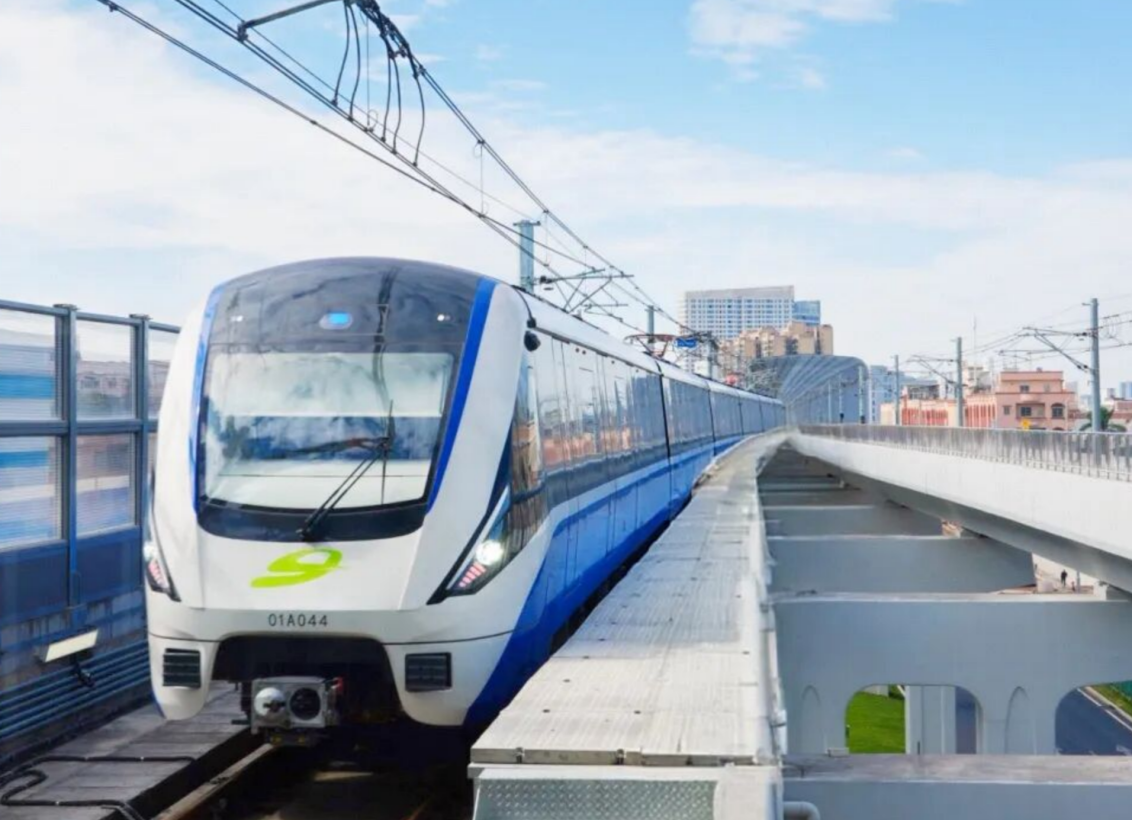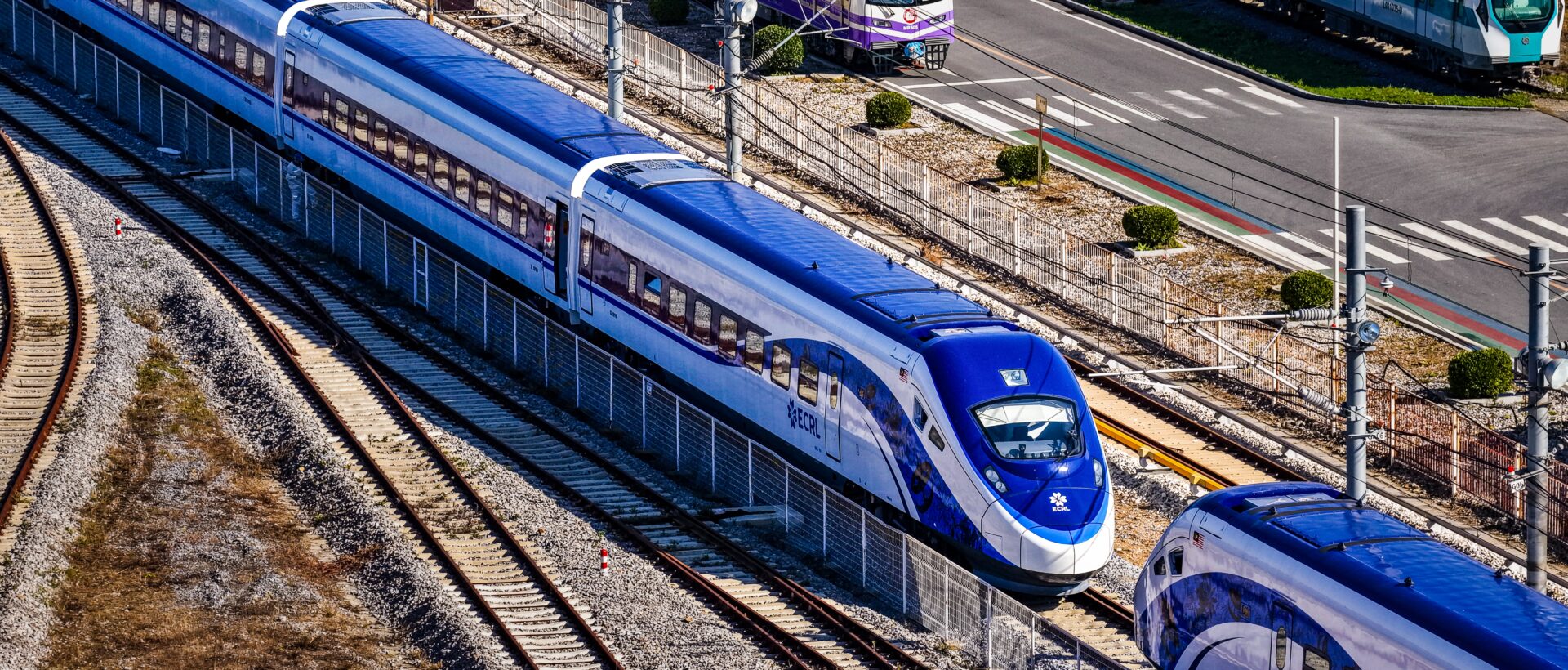
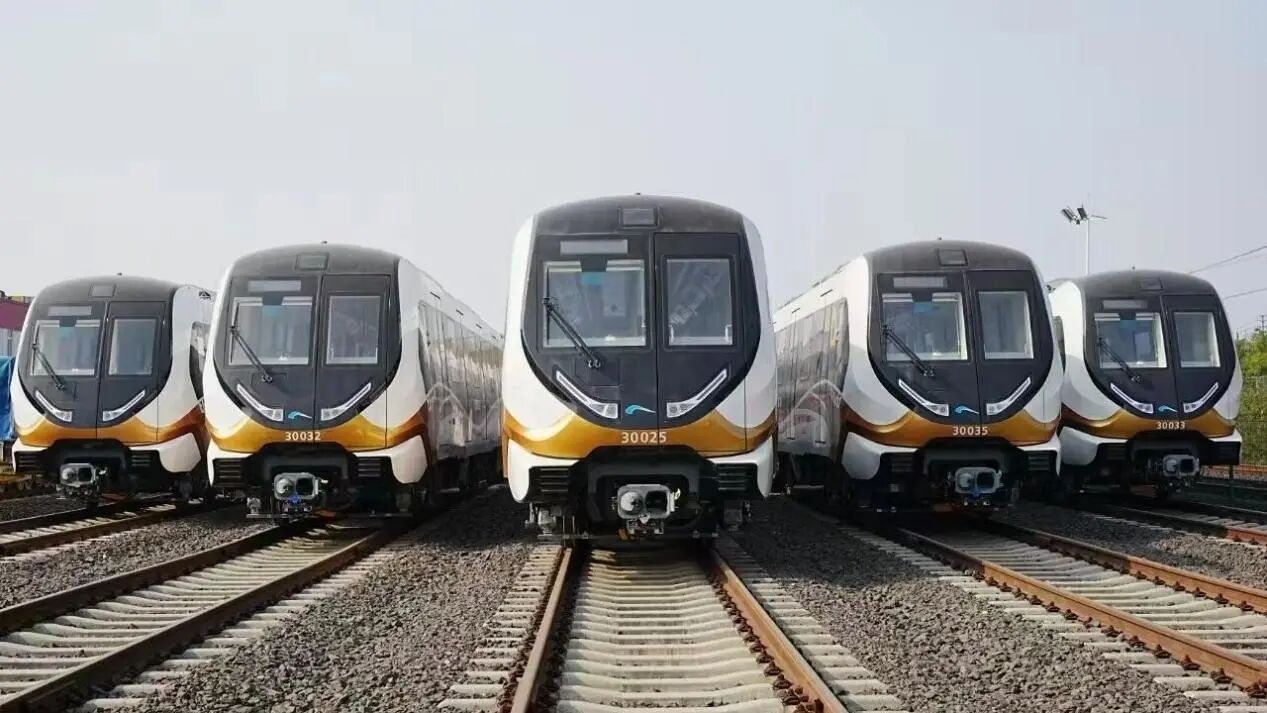
Two new smart metro lines have entered passenger service in Chengdu, with the introduction of GoA4 fully automated trains on Chengdu Metro Line 13 Phase I and Line 30 Phase I.
The trains have been developed by CRRC. Their deployment represents a further step in the adoption of automated metro operations within the city’s rail network.
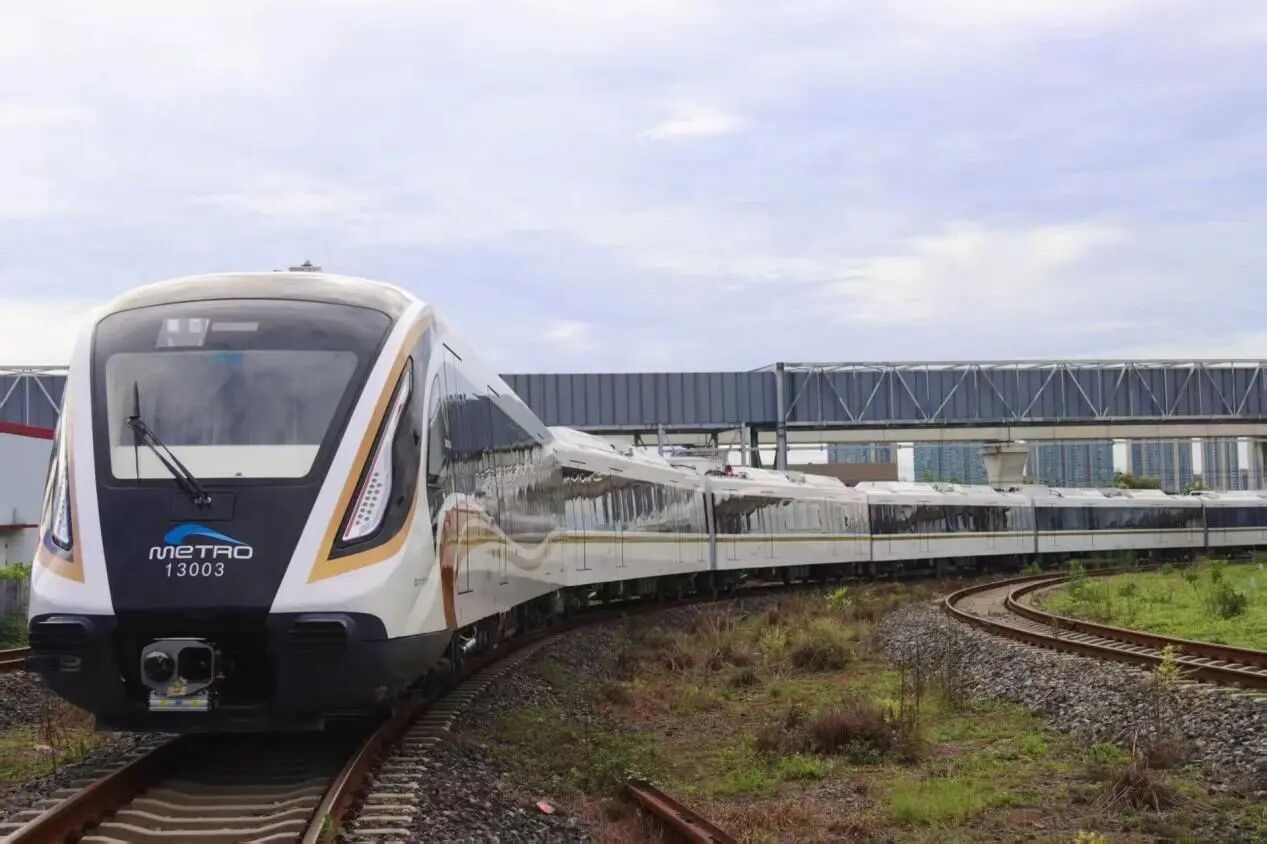
The trains operate using a GoA4 (Grade of Automation 4) system, enabling fully unattended operation. Under this system, trains automatically power up, carry out self-diagnostic checks prior to service, depart according to the operating timetable, and return to the depot after service hours. These processes are completed without on-board staff involvement.
Line 30 Phase I is the first metro line in China to combine conventional fully automated operation with train-to-train communication technology. This system allows trains to exchange operational data directly, supporting shorter headways while maintaining safety and operational stability.
Both Line 13 and Line 30 are equipped with an Internet of Vehicles (IoV)-based Prognostics and Health Management (PHM) system developed by CRRC SRI. The system enables continuous monitoring of train conditions and supports predictive maintenance. For the first time on Chengdu’s metro network, the trains also feature visualised fault diagnosis and emergency response functions.
For critical faults, visual fault tree models and emergency response procedures have been established. These tools are used to track fault-handling processes and assess compliance with predefined operational requirements.
Chengdu Metro continues to expand its network alongside the introduction of new digital and automated technologies, as part of its wider urban rail development programme.