The Government has unveiled new plans that aim to utilise the introduction of Great British Railways to back British businesses, strengthen supply chains, and drive economic growth.
With a new target to increase rail freight by a minimum of 40% by 2040, the plans form the first milestone towards the Government’s wider ambition to increase rail freight by at least 75% by 2050.
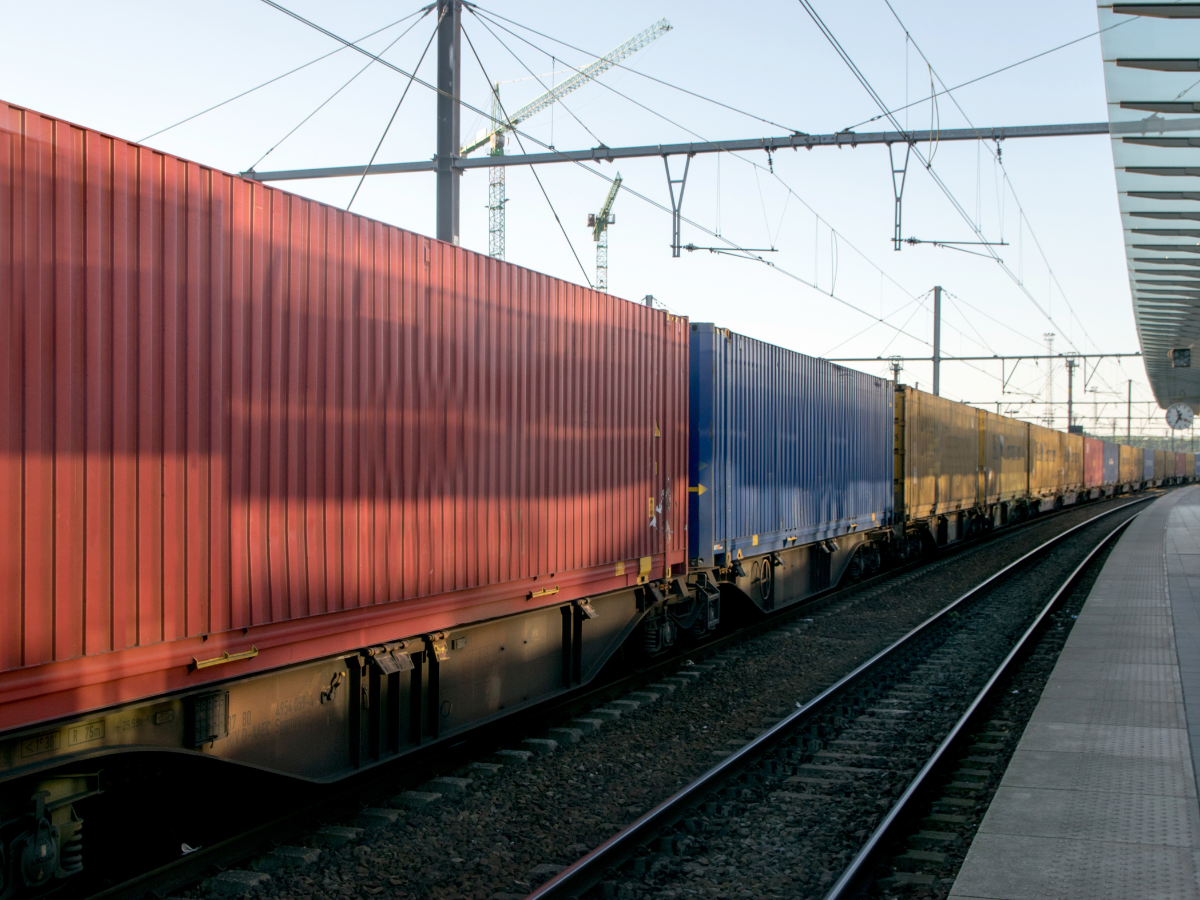
Currently, the rail freight sector carries goods worth almost 34 billion GBP to the UK’s economy each year, and meeting this new target would result in an increase of roughly 15 billion GBP, helping businesses move additional products across Britain whilst strengthening supply chains and supporting the sector’s overall growth.
A single freight train is capable of carrying enough materials to build around 30 homes, and Network Rail has estimated that these new targets could increase rail freight of construction materials by 45% – reducing in a boost in the movement of goods such as cars, wine, white goods and medicine by around two-thirds.
Transport Secretary, Heidi Alexander, said:Great British Railways will have a clear mission to help grow our economy by moving more of the goods British businesses rely on.
Our new target gives the rail freight industry the certainty it needs to invest, helping businesses move more products, deliver the materials needed to build new homes and infrastructure, and support jobs across the country.
Additionally, meeting the new target is expected to save up to one million tonnes of carbon dioxide every year when compared with transporting the same goods by road, and will ease pressure on road networks across the country.
Today (08 September 2026) will see the Railways Bill, which establishes Great British Railways, begin its Committee Stage in the House of Lords. The bill will grant Great British Railways the powers it needs to deliver on the new freight target, including strategic oversight of network access and two clear duties to support freight growth.
The Bill will also establish the position of a dedicated member of the Great British Railways Board that will also have responsibility for freight, ensuring the needs of freight operators and the businesses they serve are embedded in decision-making from the outset.