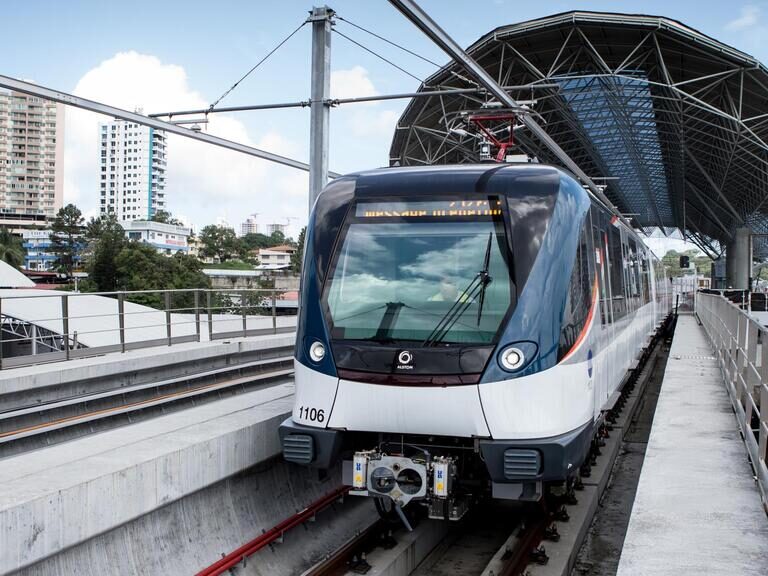
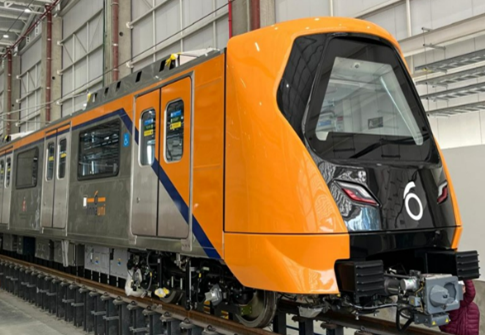
Alstom has delivered the first of 22 six-car trains for São Paulo’s Line 6-Orange.
Manufactured at the company’s production site in Taubaté, in São Paulo state using Alstom Lab 4.0; the new trains will have the capacity to carry up to 2,044 passengers at speeds of up to 90 km/h.
The new line is expected to carry up to 633,000 passengers per day.
Each train has been manufactured from stainless steel and highlighted in orange to align with both the line’s name and visual identity, with the units being lighter when compared to those produced with carbon steel carbodys.
The units have been designed to last more than 40 years, and feature a layout aiming to deliver improved passenger experience during travel.
Suely Sola, General Director of Alstom Brazil, said:Alstom has been a leader in rail mobility in Brazil for 70 years, and this project is a testament to the fact that we’re continuing to invest and innovate in this vital market.
We are very proud to have Line 6-Orange in our portfolio. This project is a milestone in urban mobility in Latin America and reinforces our commitment to the State of São Paulo and Brazil. With 70 years of presence in the country, we remain dedicated to offering efficient, safe, and high-quality public transport solutions. The initiative also contributes to a more sustainable system and improves quality of life, especially for students who will use the line.
Line 6-Orange (nicknamed the ‘university line’) is set to connect a minimum of seven higher education institutions across São Paulo city, as well as schools near Avenida Paulista, spanning a length of 15km and 15 stations. A 2022 study conducted by the São Paulo State Government found that more than 40% of trips on the line are expected to involve travel to or from the aforementioned places of education, with most passengers ranging from 18 to 24 years old.
The line will connect the Brasilândia neighbourhood in the North Zone to São Joaquim Station in the city centre, reducing current journey times to 23 minutes. Currently, the route is only possible via bus, which takes up to 90 minutes.