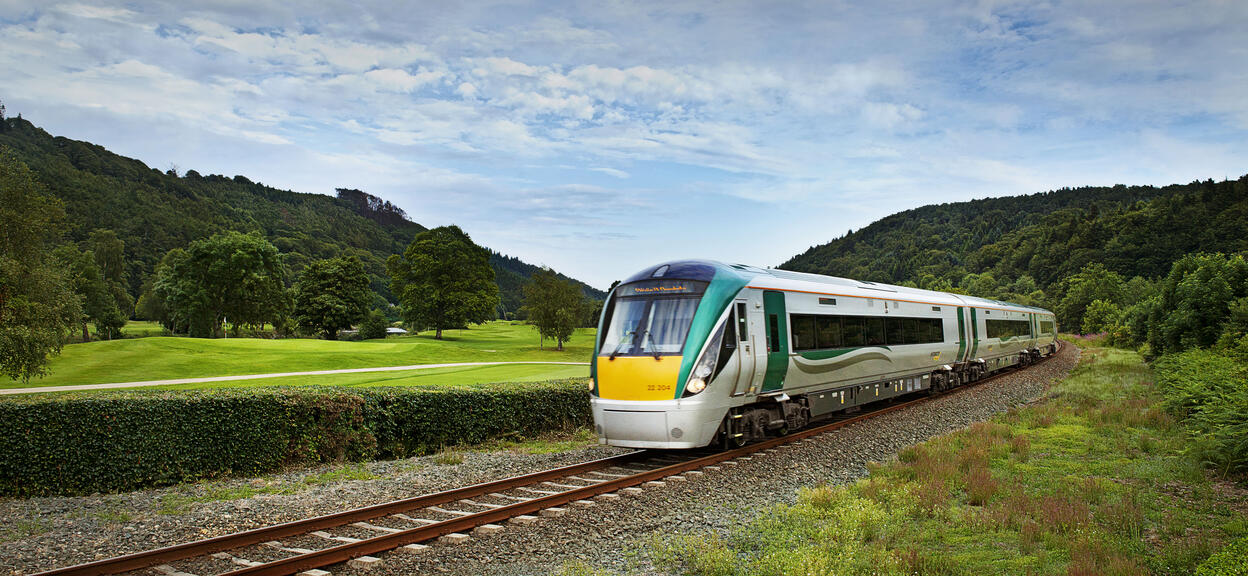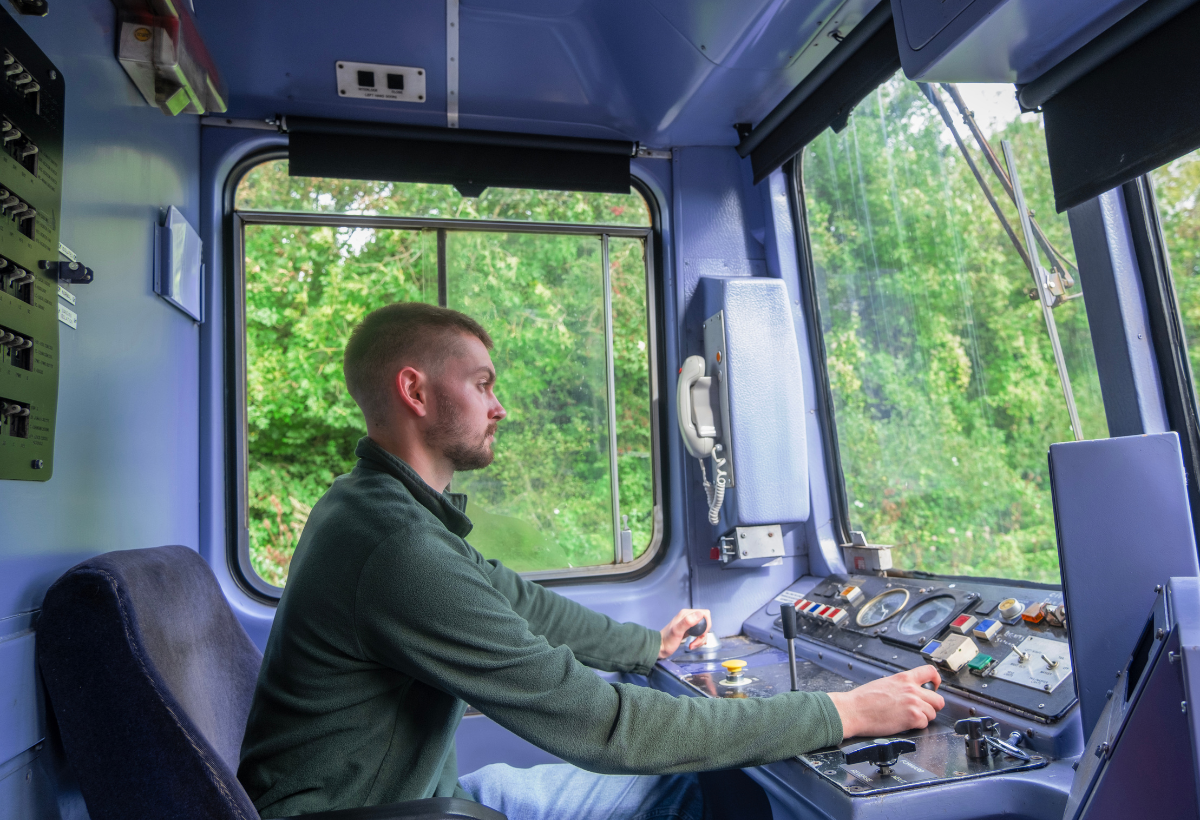
Passenger trains travelling on the East Coast Main Line have made use of digital in-cab signalling for the first time.
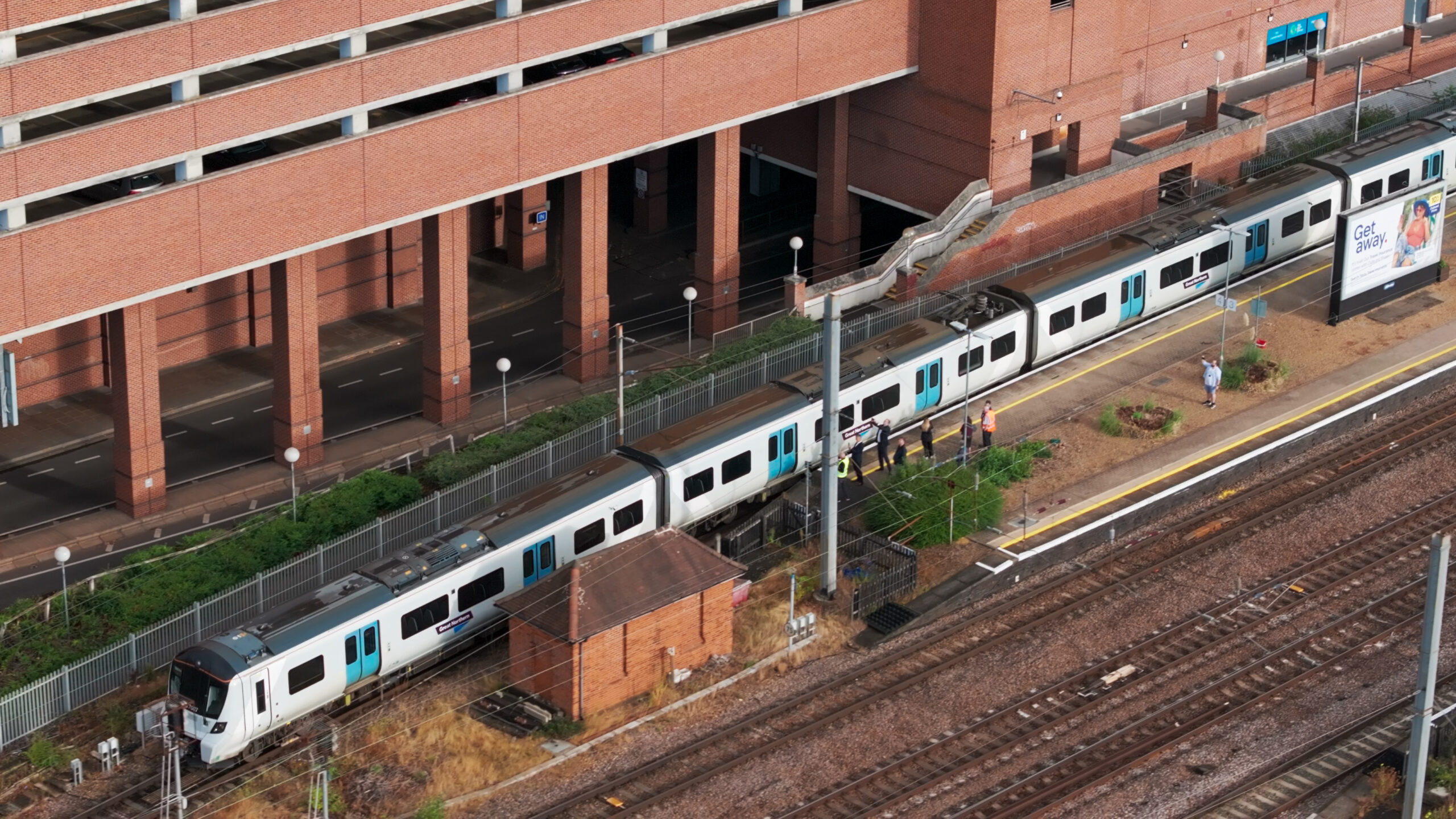
On Monday 31 August; the 08.05 Great Northern service to Moorgate became the very-first passenger train to use the new system on the main line as it was signalled out from Welwyn Garden City Station.
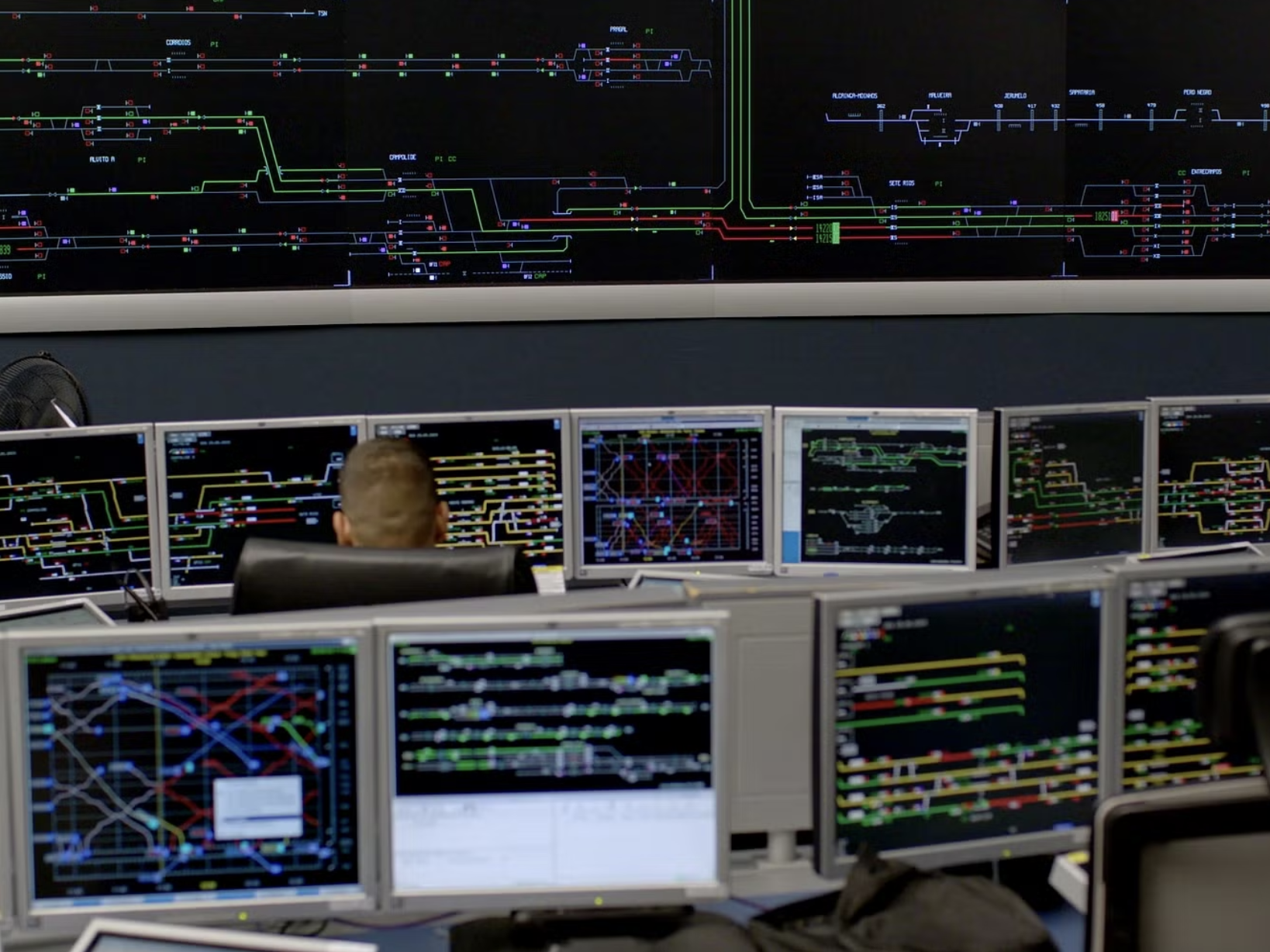
The development forms the latest major milestone for the Government-funded 1.4 billion GBP East Coast Digital Programme (ECDP), which aims to see all traditional lineside signals gradually replaced with an in-cab computer system that informs drivers how far and how fast they may travel.
Over time, digital signalling is hoped to enable more efficient, reliable and greener services, and, once all trains are operating with digital signalling, these benefits will be realised through less of a reliance on trackside equipment, as well as better ability to manage the response to disruption and delays.
Additionally, the system is expected to help realise a safer railway through the greater supervision of train speed, as well as the ability to bring it to a stop if necessary.
This initial stage in the implementation of the European Train Control System (ETCS) on the East Coast Main Line now allows for Great Northern’s modern Class 717 fleet transition in and out of the system when entering and leaving the Welwyn to Hitchin area. Currently, the 15-mile section has been successfully commissioned as an ‘overlay’, which means that trains can operate through it using either conventional or digital in-cab signalling, allowing drivers to be trained in the technology.
More fleets and passenger services are set to begun using the in-cab system beginning in 2027.
Rail Minister Lord Hendy said:This is a landmark moment for this vital main line. Backed by £1.4 billion of Government investment, it’s a clear demonstration of our commitment to building a more reliable, more efficient railway that gets people where they need to be.
This is exactly the kind of transformation that will underpin Great British Railways as we deliver a simpler railway for passengers, with track and train working together as one to improve our network for the people who use it.