By Andreas Z’Graggen, Head of Energy Storage Systems, ABB Traction Division
Rail operators are racing to decarbonise, and traction batteries are emerging as a vital bridge between diesel-powered legacy fleets and the fully electric systems of tomorrow.
As the rail industry pushes to achieve climate goals and meet an ever-growing regulatory burden, the transition away from diesel is a fast-approaching reality in the rail sector’s decarbonisation journey.
The Challenge
There is a key short-term challenge – whilst full electrification is the ideal model, it is not always immediately feasible, but that’s where traction batteries come in, offering the only flexible and scalable solution to reach environmental objectives. Beyond cutting carbon emissions, they also enhance passenger experience and deliver instant engineering value for rail operators.
As rail operators seek sustainable alternatives, the complexities of transitioning away from diesel must be acknowledged. Diesel engines, while entrenched, are no longer compatible with sustainability mandates or emissions targets as they are significant sources of air pollution. Many see fully electrified rail networks as the only alternative; however, they are not a one-size- fits-all solution and are costly and time-consuming to implement. Not only that, but electrified rail can also be geographically impractical when regions lack continuous catenary infrastructure or face budgetary constraints.
Advantages of Traction Batteries
The limitations of diesel and the delays in full electrification mean that an opportunity is emerging for traction batteries to offer a stepping stone to full electrification, especially in semi-electrified railway lines. Traction batteries bring unmatched flexibility, reduced emissions and compatibility with partial electrification. Whether powering hybrid configurations or enabling fully battery-electric operation, they offer a long-term solution that supports today’s needs and existing infrastructure while future-proofing tomorrow’s rail networks. This flexibility of deployment outweighs that of other decarbonisation measures, such as using alternative fuel sources.
Supporting the Industry’s Transition
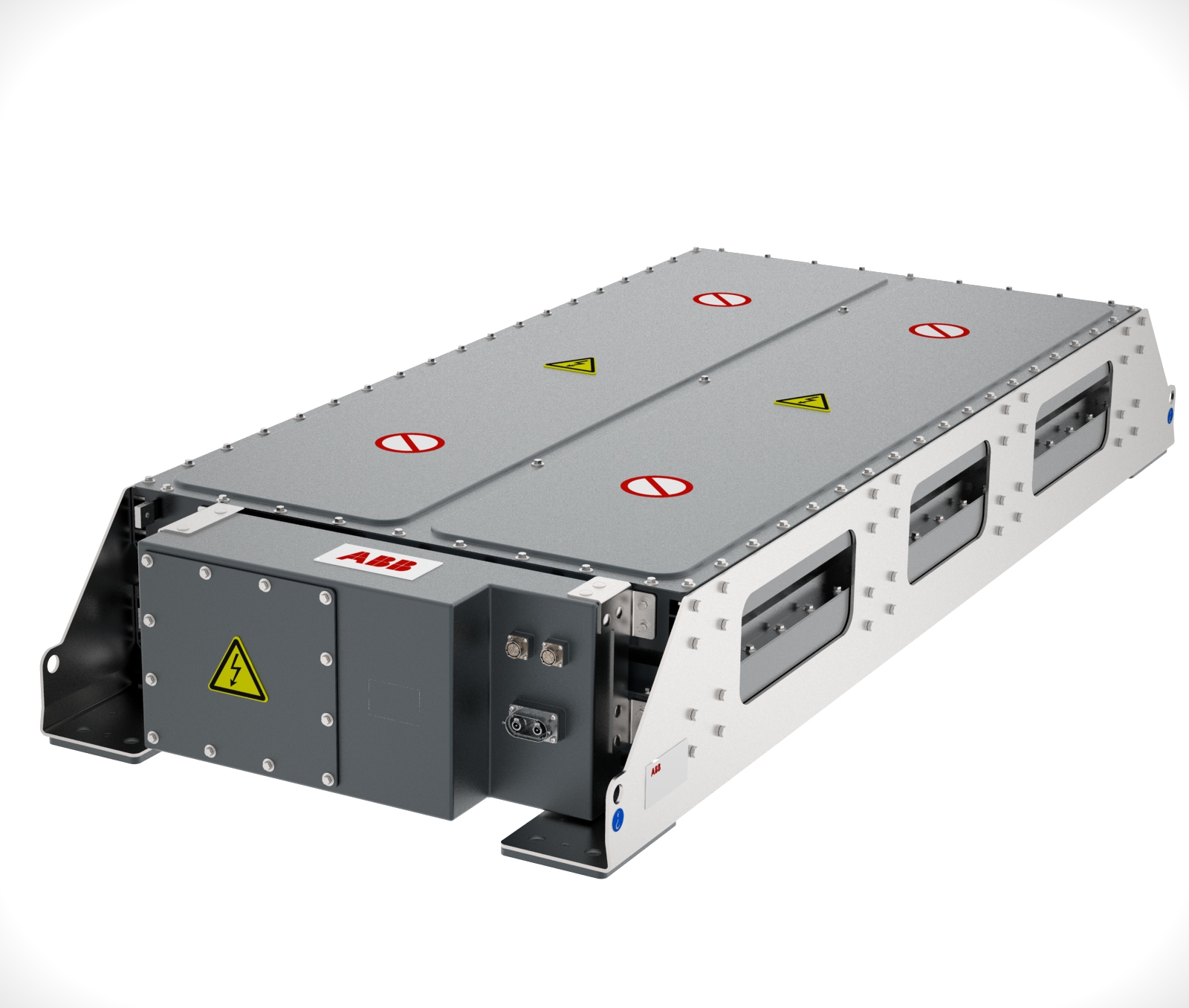
The technical innovation of traction battery systems is demonstrated in the advancement of their modularity, energy density and charge cycles. System benefits for rail operators aiming to align with national emissions regulations and reduce costs include energy recovery through regenerative braking, lower lifecycle costs and adaptability across rail environments. Cross-border compatibility and modular approaches that allow for future upgrades will enable companies to align efficiently with the US and EU regulations.
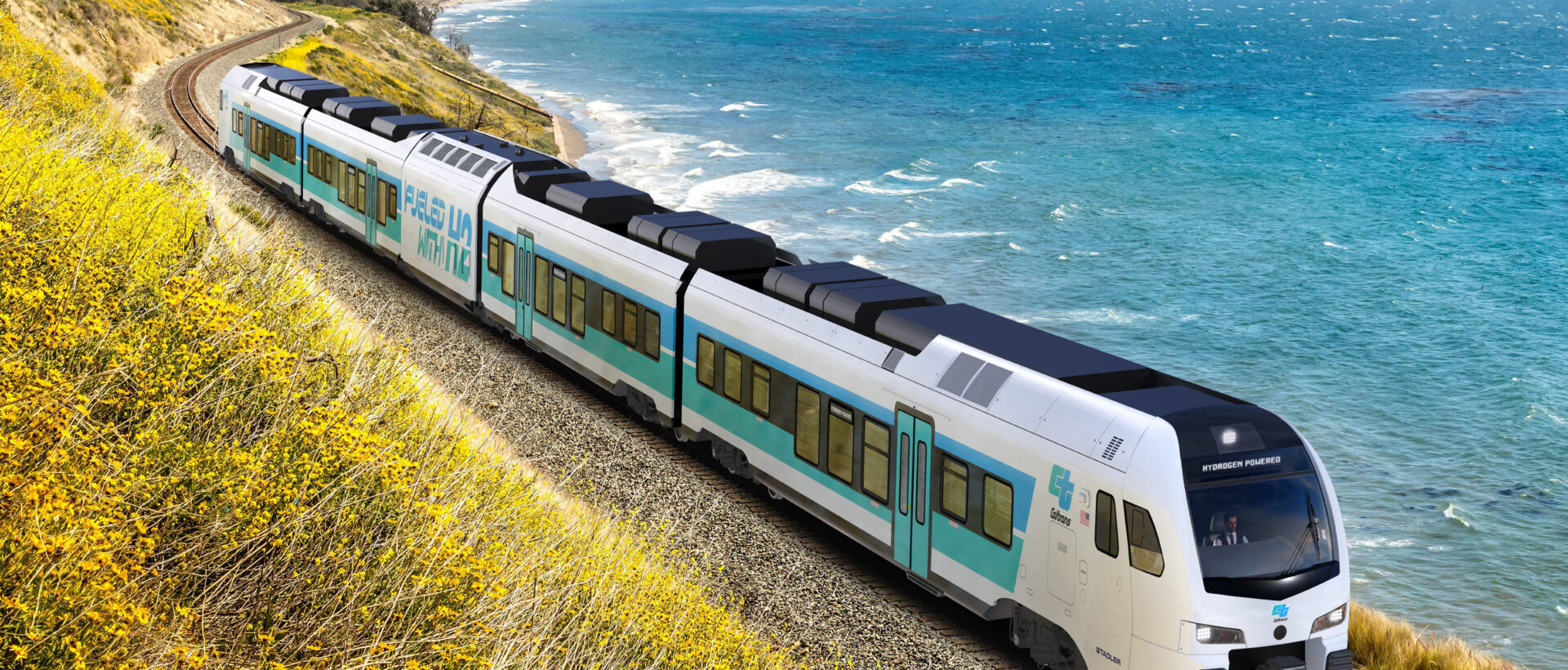
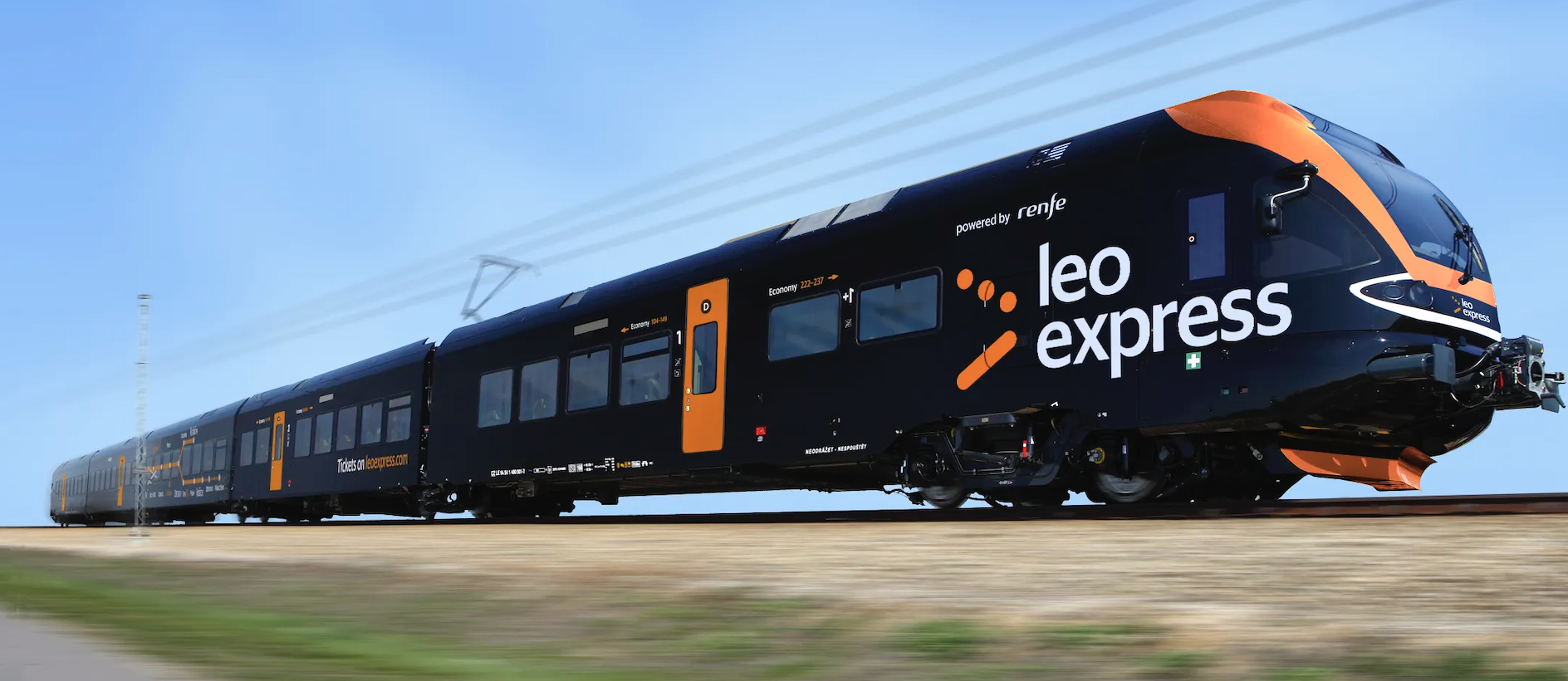
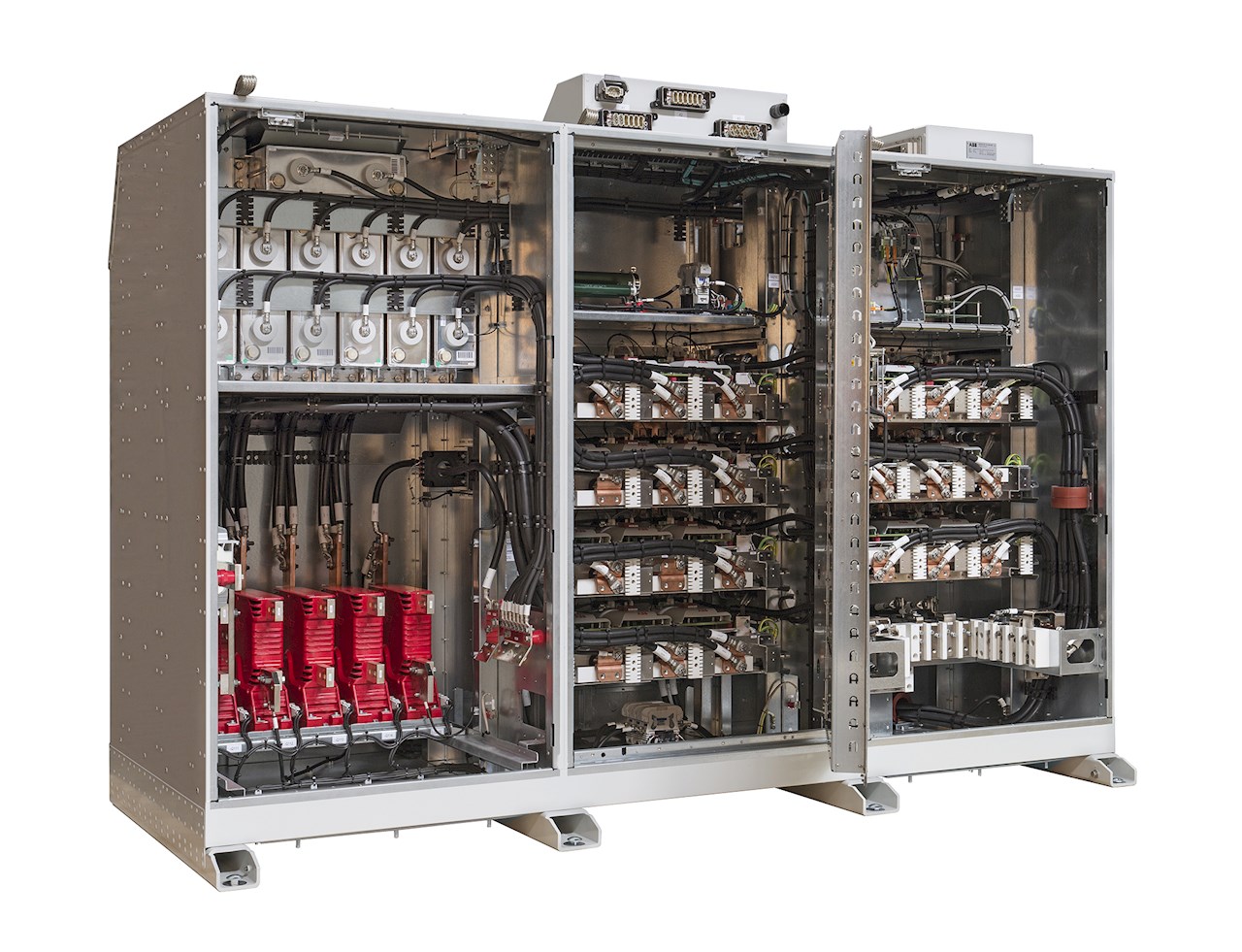
This year, ABB began work with Stadler US to supply its Pro 8C-1050 batteries and CC750 DC traction converters for Metra’s and Caltrans’ fleets of new trainsets in Illinois and California systems. ABB is also working with Skoda to supply Pro 8C-850 traction battery packs for 15 new electrically driven railcars, modernising regional train fleets. This marks a significant step towards greener rail transport in the US and the Czech Republic, reducing CO2 emissions. These examples demonstrate real-world momentum, technological maturity and growing market demand.
Transforming the Passenger Experience
Traction batteries enhance the passenger experience with smoother, quieter journeys, especially noticeable when entering or leaving stations. In the absence of noisy engines or diesel fumes, the cabin environment is cleaner and calmer. These improvements create a more enjoyable and modern travel experience, aligning with growing expectations for sustainable, passenger-friendly rail travel.
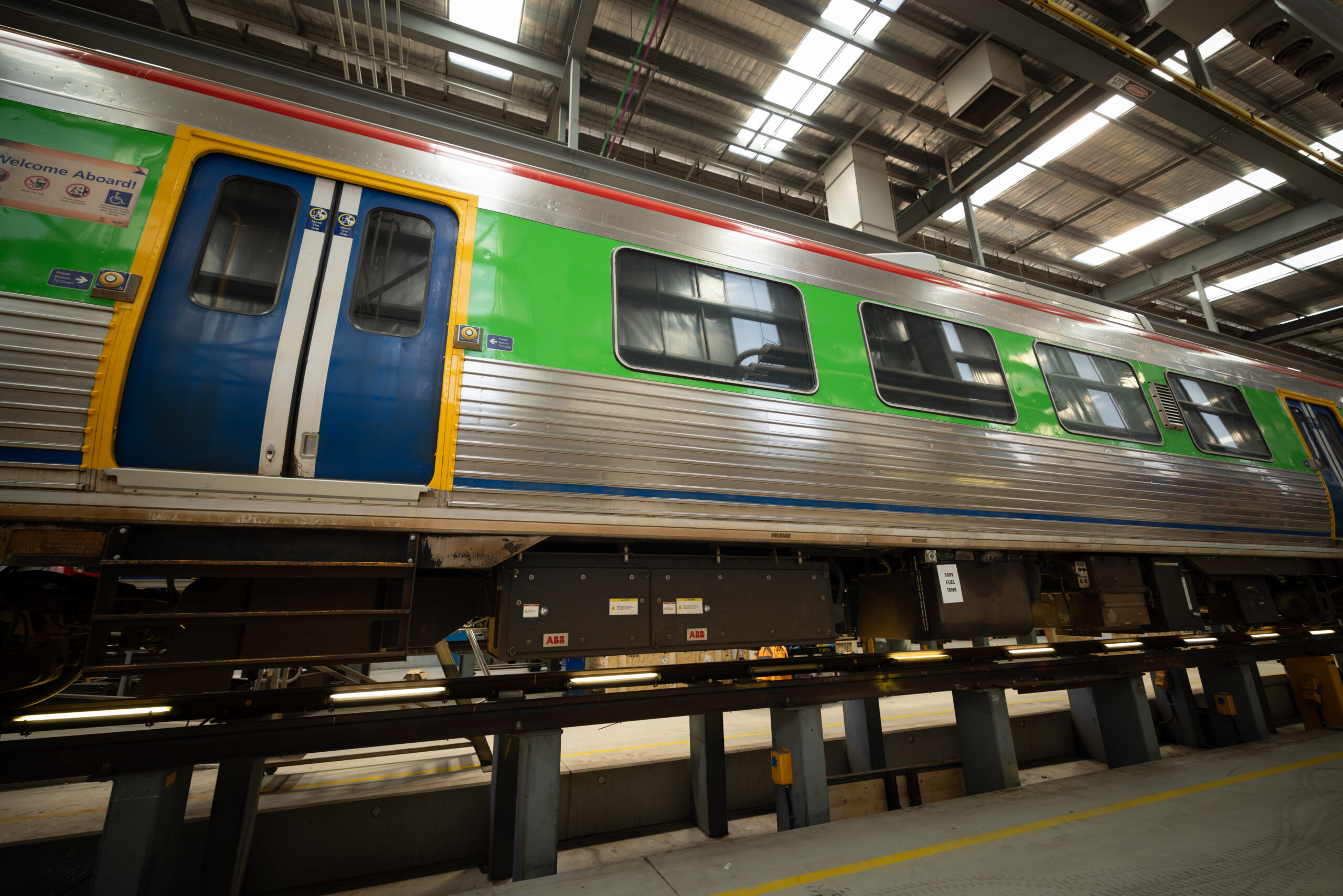
When South Australia’s Department for Infrastructure and Transport set out to cut emissions and elevate the passenger experience of their metro, ABB delivered a powerful solution: traction battery systems. By 2024, Adelaide Metro became Australia’s first-ever diesel-hybrid train fleet. With 50 upgraded trainsets, the transformation significantly curbed noise and emissions, generating efficiency improvements of 35% and avoiding 2,700 tons of CO2 annually, bringing a cleaner, quieter and more comfortable journey to nearly 16 million annual commuters.
The Incentive to Act Now
The transition to cleaner rail can’t wait. Traction batteries provide a fresh solution to the longstanding issue of diesel-rail and are set to become a decisive part of the clean transport toolkit, powering the future of sustainable rail transport. Where full electrification is not yet viable, it’s crucial to invest in hybrid and battery-based solutions for rail to reach climate goals and improve passenger experience.
This article first appeared in the Railway-News Magazine Issue 2 2025. Download a PDF version here.