New York State, New York City and the Metropolitan Transportation Authority (MTA) are studying whether a thermal energy network (TEN) could be used to reduce temperatures on subway platforms in Lower Manhattan and transfer excess heat to nearby municipal buildings.
The study will focus on the Brooklyn Bridge-City Hall 4 5 6 and Chambers Street J Z station complex. If implemented, the project would be the first thermal energy network installed in a US transit system.
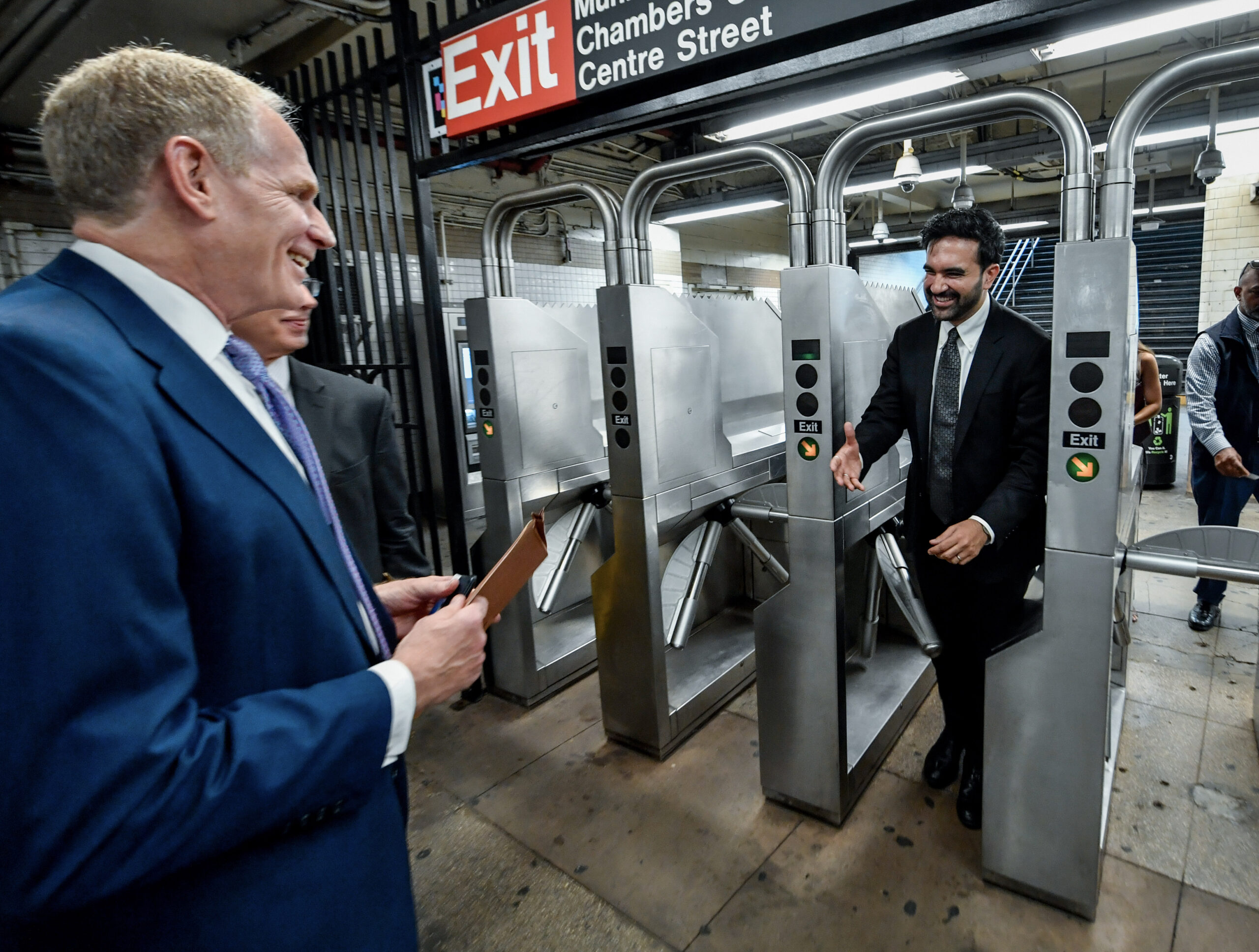
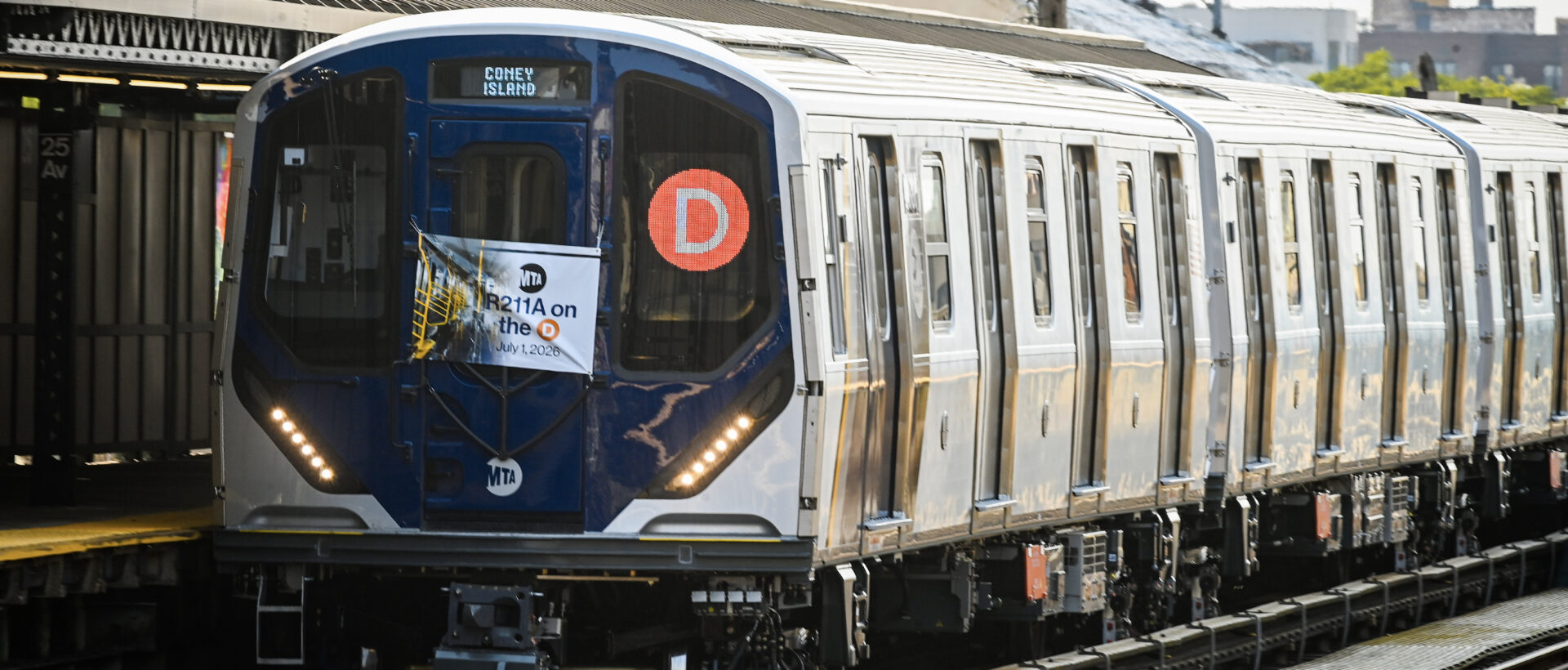
(Marc A. Hermann / MTA)
The proposed system would capture heat from the subway environment during warmer months, store it underground and potentially use it to heat nearby municipal buildings during winter.
Brooklyn Bridge-City Hall recorded average platform temperatures of 96°F (35.6°C) during summer 2025, making it one of the hottest stations in the New York City subway system.
The study will assess whether thermal energy infrastructure can reduce platform temperatures, improve passenger comfort, and help address heat-related operational issues.
The proposed network would use radiant cooling to absorb heat from the Brooklyn Bridge-City Hall platforms and potentially the Chambers Street station.
The captured heat would then be transferred through pipes to geothermal boreholes beneath an abandoned centre platform at Chambers Street. The heat could be stored underground and recovered during colder periods to provide heating for nearby municipal buildings.
The abandoned platform provides space for testing geothermal infrastructure without requiring construction work in areas used by passengers.
The study will also examine the potential energy savings for New York City and determine how much cooling the system could provide.
Thermal energy networks transfer heat between buildings and other infrastructure, reducing the need for separate heating and cooling systems. The MTA and city authorities will assess whether the approach can be adapted to the conditions of a subway system.
Janno Lieber, MTA chair and CEO said:Bringing down the temperature is a real challenge in a century-old system with open entrances and vents everywhere. Together with Governor Hochul and Mayor Mamdani, we’re exploring solutions — previously untested in transit — to make stations more comfortable while helping to reduce energy costs. Everybody wins.
Radiant cooling can use chilled water circulating through panels or embedded tubing to absorb heat from surrounding surfaces. The MTA says the technology can be 25-35% more energy efficient than conventional air conditioning.
The feasibility study is being developed alongside a major renewal of the 113-year-old Chambers Street J Z station.
The station project will include structural repairs, replacement of tiles, stairway upgrades, leak mitigation and ceiling repairs. The MTA plans to award a contract for the work by the end of 2026.
The station’s existing abandoned centre platform is being considered as a location for geothermal boreholes, providing an opportunity to investigate the technology as part of the wider station renewal.
The contract for the study is expected to be awarded in autumn 2026. Subject to confirmation that geothermal infrastructure is feasible, design work is planned to begin in early 2027.
New York Governor Kathy Hochul said:For years, New Yorkers have suffered through sweltering summer heat on subway platforms, with seemingly no hope for a cooler ride in sight. Today, I can assure riders during this hot summer week that help is on the way. Working with Mayor Mamdani and the MTA, we are harnessing cutting-edge climate technology for a truly cool purpose: making our subway stations tolerable during the summer and heating critical city buildings during the winter. This is what effective partnership between city and state government can yield - innovative solutions that have the potential to help millions of subway riders.