The new TGV-M high-speed train has received market authorisation from the European Union Agency for Railways (ERA), clearing one of the final regulatory stages before entering commercial service in France later this year.
The approval confirms that the train complies with European safety and interoperability standards following an assessment process involving SNCF Voyageurs, Alstom and the ERA. The authorisation follows an admission testing campaign that began in 2023, with a full application dossier submitted to the European authority in December 2025.
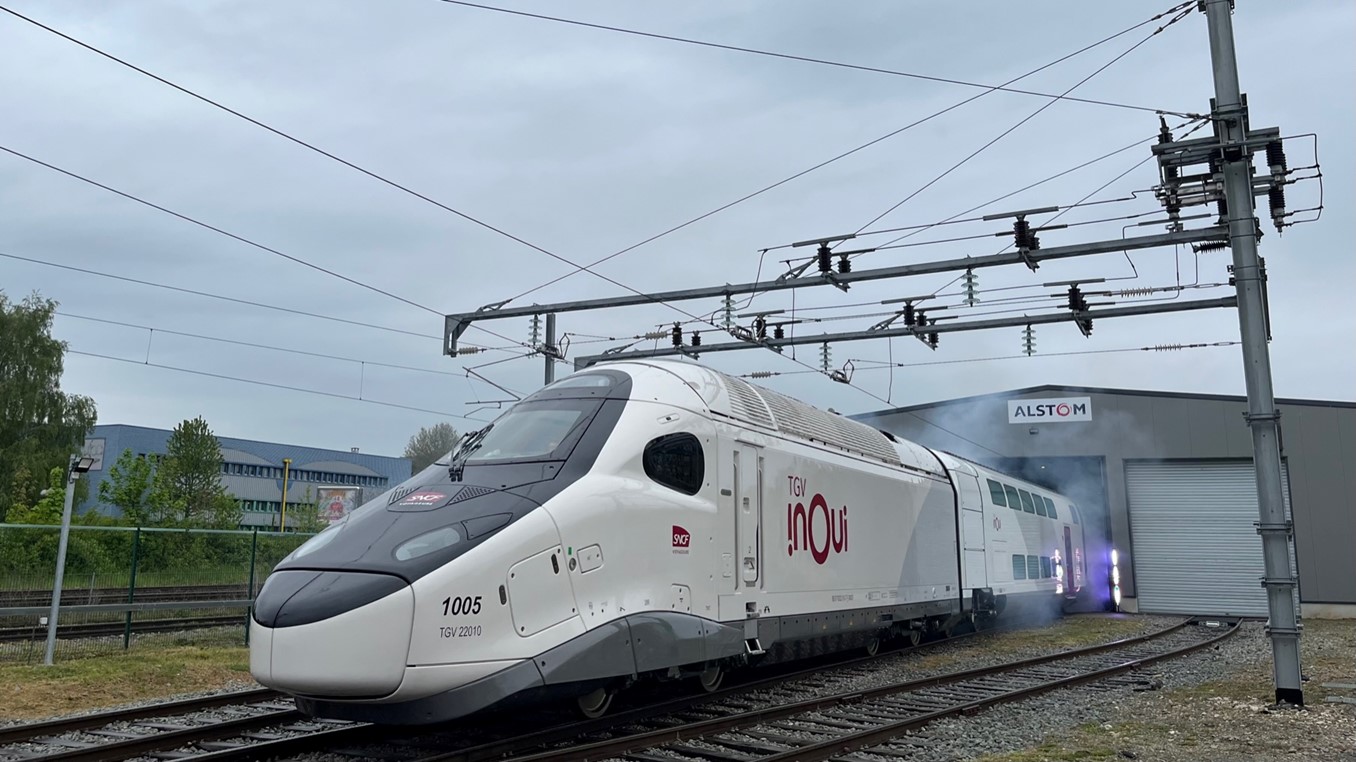
SNCF Voyageurs and Alstom said the decision marked a significant step towards the introduction of the next generation of TGV INOUI trains.
Deliveries of the first trainsets are scheduled to begin at the start of summer 2026. Under the current industrial plan, two trainsets are expected to be delivered from June, increasing to six by the end of August and 13 by the end of the year.
Before passengers are welcomed on board, the trains will undergo a pre-commercial testing phase on the national rail network. This period will allow operational teams and onboard staff to familiarise themselves with the new rolling stock while carrying out final technical adjustments under real operating conditions.
Hundreds of employees from Alstom and SNCF are expected to take part in the testing programme, which will examine onboard systems, operational procedures and passenger experience elements before commercial launch.
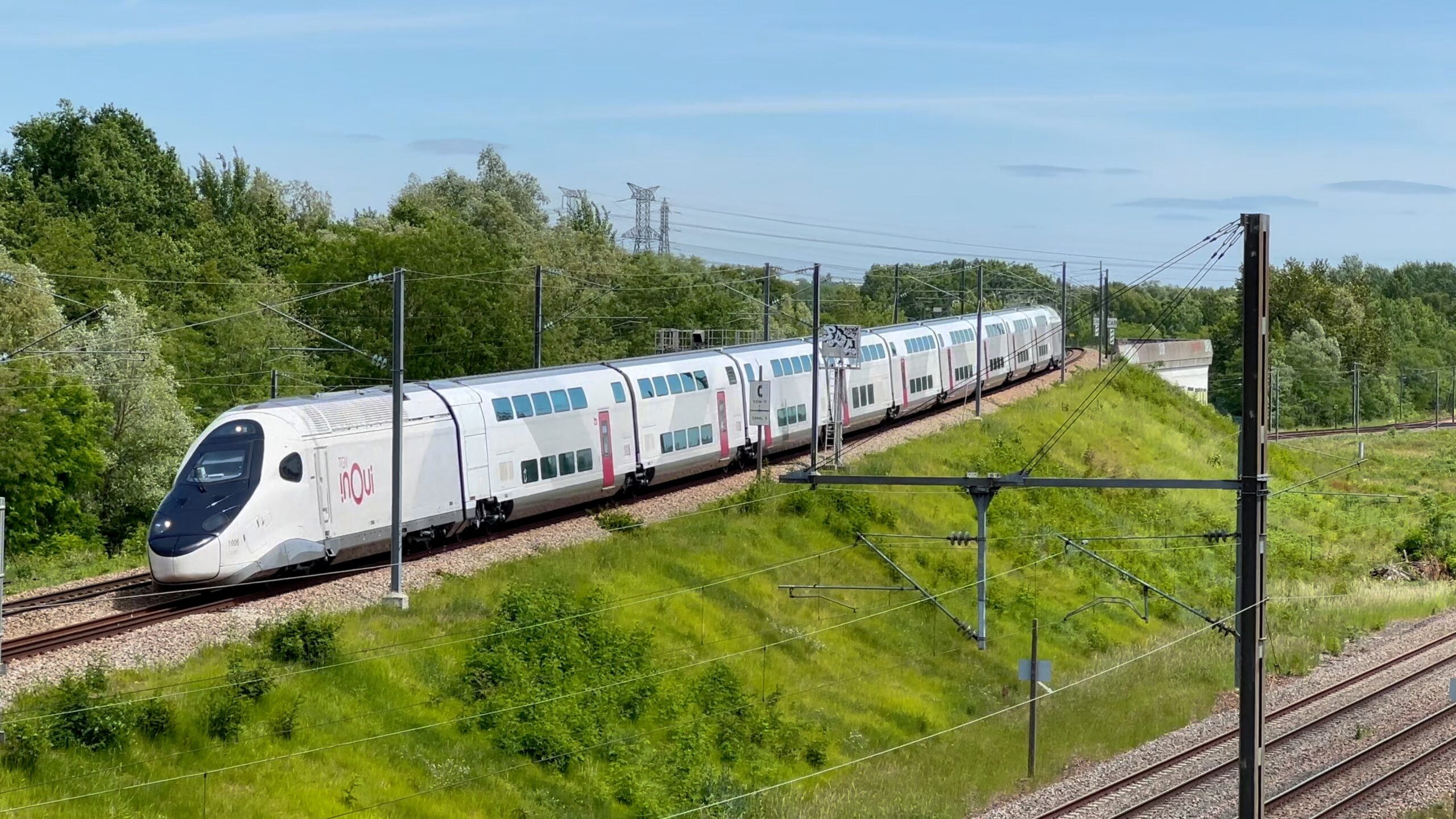
The first passengers are expected to travel on the new TGV INOUI services in early September. Initially, six trainsets will be integrated into the operating timetable.
The TGV-M has been developed through a partnership between SNCF Voyageurs and Alstom as part of a broader renewal of France’s high-speed rail fleet.
The train was designed in France and incorporates recyclable materials in its construction. The train offers up to 20 percent more seating capacity, with a maximum configuration of 740 seats, alongside increased luggage storage space.
Furthermore, the TGV-M is expected to reduce energy consumption by 20 percent through aerodynamic improvements and lower maintenance costs by 30 percent compared with previous generations. Carbon dioxide emissions will be reduced by 32 percent.
Testing of the train covered nearly one million kilometres, while more than 400 patents linked to innovations developed for the project have been filed.
SNCF Voyageurs has ordered 130 trainsets, while Eurostar has ordered 30, with an option for an additional 20 trainsets.