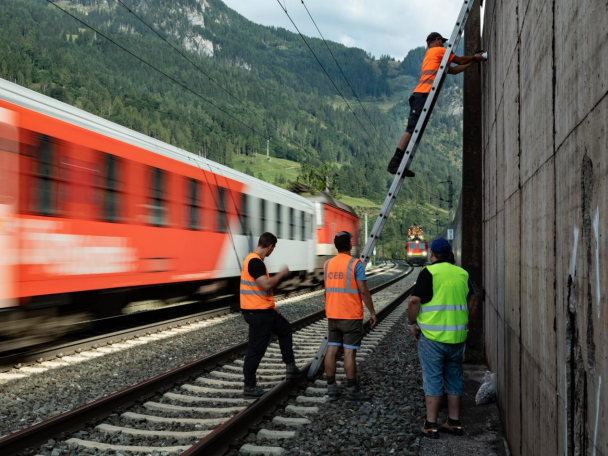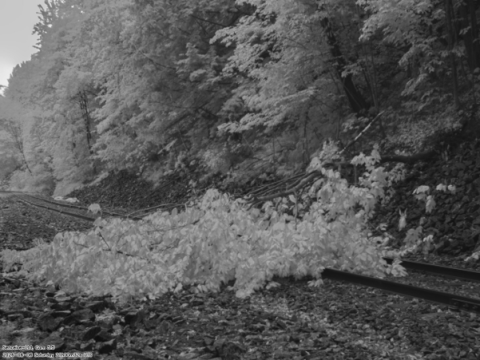
Slope failures such as landslips, embankment failures and rockfall events cause damage, danger and disruption affecting the safe and efficient operation of railways around the world.
The challenge is growing due to increasingly frequent and prolonged periods of extreme rainfall, ageing infrastructure, increasing traffic and the drive to keep ‘boots off ballast’.
Removal of the risk through engineering intervention is complex, expensive and can cause as much disruption as failure of the earthwork asset. Ground engineering programmes that involve measures such as slope re- grading or installing ground anchors, sheet pile walls or barriers are therefore a ‘last resort’. That’s why geotechnical engineers more often choose to mitigate the risk through remote condition monitoring at many sites. With a growing range of technologies to choose from, an effective monitoring programme can provide advance warning of gradual slope failures and immediate alerts of sudden events that could block the track.
Wireless Condition Monitoring
The most widely adopted method in the UK and a growing number of other countries is wireless remote condition monitoring.
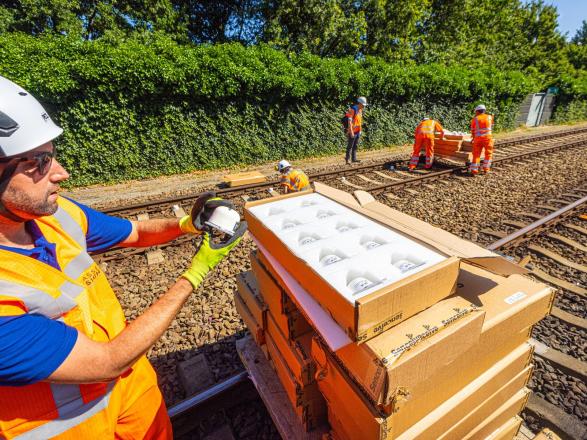
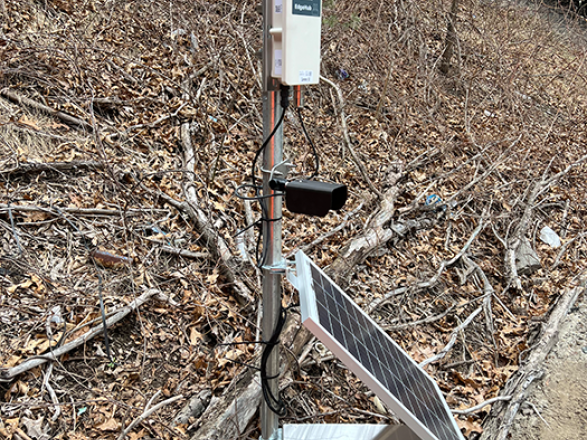
A typical wireless solution will comprise four elements. Firstly, highly sensitive tilt meters mounted on metal stakes detect shallow ground movement; they communicate using a proprietary wireless mesh sending data to the second key element, a cellular communications gateway that relays data to the third element – a cloud-based portal. The fourth part of the system is a sophisticated camerahub that takes images on a scheduled basis and when triggered by tilt node movement, and relays them immediately to remote users. The whole system is built around InfraGuard software that enables the nodes to operate for many years in a low-power mode and suddenly wake-up and send alerts in the event of movement thresholds being breached.
A Decade of Landslip Monitoring
Remarkably, it is now a decade since the first wireless remote condition monitoring system to detect and warn of landslips was deployed on a Network Rail cutting at Barnehurst, South London. The system demonstrated its value almost immediately by warning of gradual ground movement three days before a large- scale landslip suddenly deposited tonnes of soil and debris on the track just before rush-hour trains were due on the route. Since then, the technology has been continuously improved and deployed on an industrial scale across many of Network Rail’s most ‘at-risk’ sites, particularly on its Southern Route covering Kent, Sussex and Wessex.
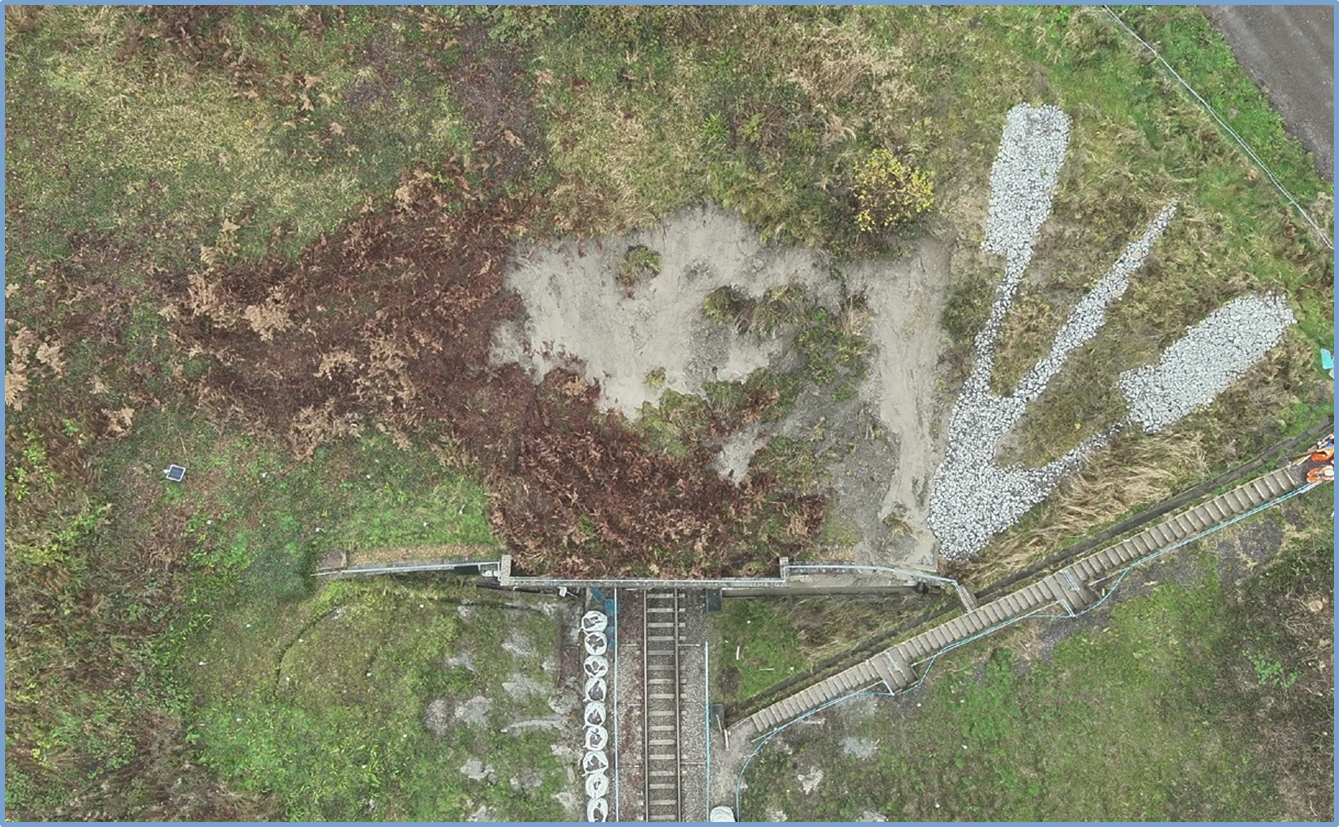
The journey that started with concept and trial deployments in 2015 has led to large-scale use of sophisticated integrated systems today. That journey involved many challenges, which would not have been overcome without a truly collaborative approach between an asset owner (Network Rail) and technology experts at Senceive. The result is a smart IoT solution that is easy to implement, provides reliable continuous monitoring of remote sites and requires minimal maintenance over its ultra-long (10+ years) life.
Key milestones along the way include:
- Continuous improvement of tilt sensors in terms of battery life, robustness for reliable operation and remote configuration options.
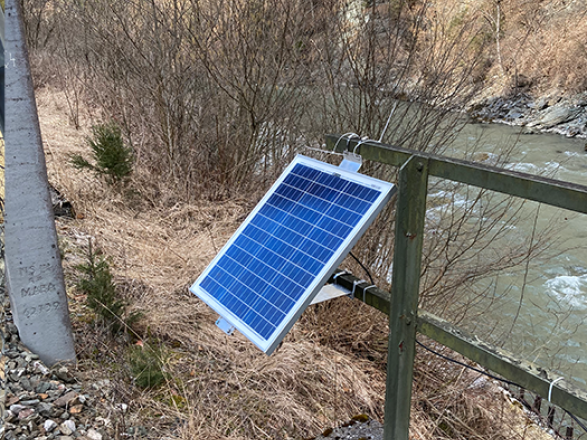
- The addition of solar-powered cameras configured to send immediate site photos in the event of ground movement – the latest model can remove moisture from the lens and has the processing power to generate clear images on the darkest nights without a flash or illuminator.
- Standardisation of a four-level alerting system based on the severity of the earthwork failure.
Today a total of 20,000 tilt sensors and 1000 cameras are deployed on 50 kilometres of track in Kent, Sussex and Wessex alone. The same technology is being employed on a growing scale on other UK routes and in Germany, France and the USA.
Monitoring Rainfall Risk
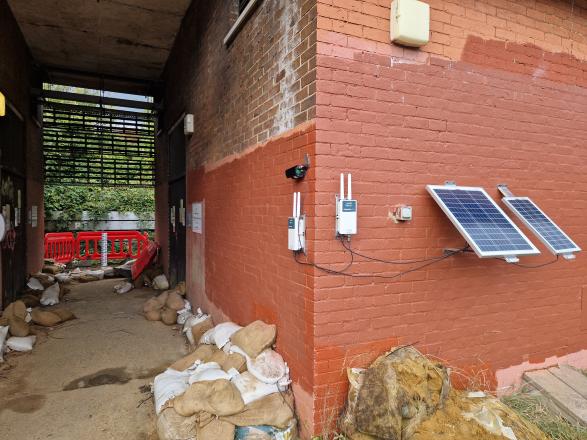
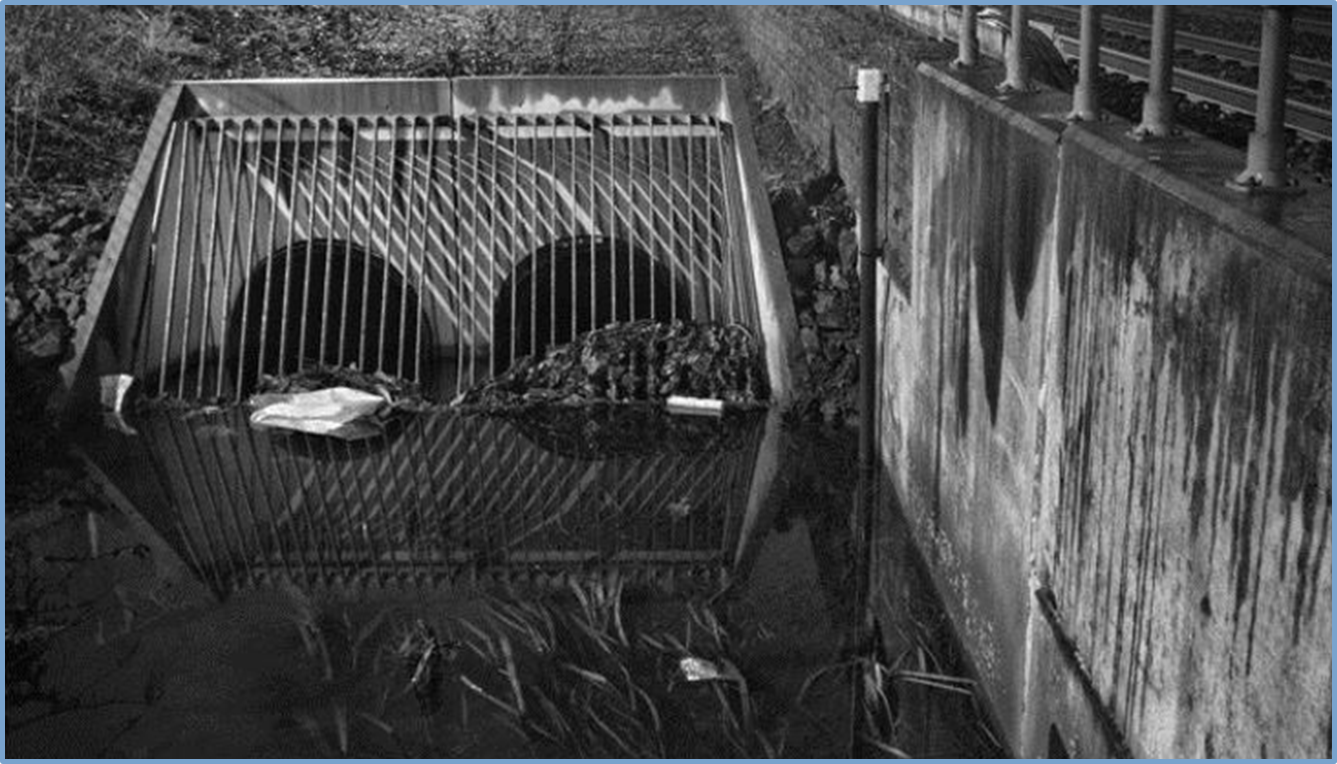
The solution has matured into a robust, integrated package, with options to include other sensors as part of the same wireless network. A prime example is the drainage monitoring package developed by Senceive to help engineers assess the impact of bad weather on geotechnical assets. The solution provides long term data and immediate alerts relating to earthwork drainage including local precipitation, soil moisture content and water level in culverts, drains and open channels. Like other elements of the smart InfraGuard system, it can include cameras to ensure remote users can get eyes on site long before they can get boots on the ground.
Rockfall Monitoring
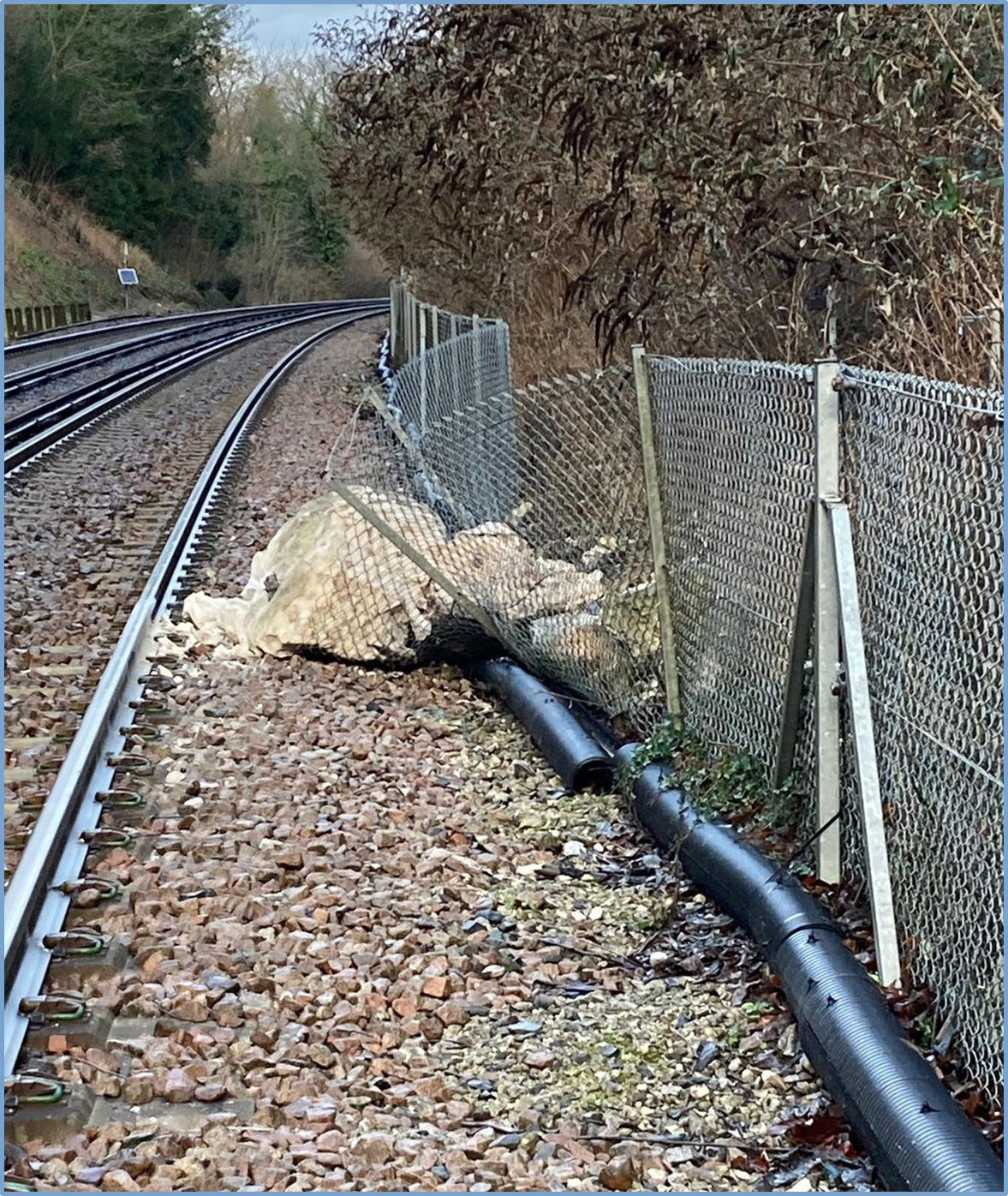
While most wireless applications are intended to detect mass movement of soil, it soon became clear that, with some modification, bespoke packages for different failure types could be provided. An example is a rockfall monitoring solution launched in 2024 where various wireless sensors can be attached to fences and barriers to detect and warn of material falling onto the fence, potentially blocking the railway track below.
Events can be detected in three ways:
- Rockfall detected by draw wire sensors: This method is based on sensors detecting the extension of draw wires fixed to the fence as a result of loading by rockfall debris. It is particularly sensitive to the gradual accumulation of material over an extended period.
- Impact on catchfence detected by tilt sensors: This approach is based on impact sensors in the Senceive NanoMacro tilt nodes mounted on catchfence stakes detecting a sudden acceleration or shock. It is ideal for detecting instantaneous events such as a small-to-medium sized boulder hitting the fence.
- Rotation of catchfence stakes detected by tilt sensors: This approach is based on the detection of rotational movement by the highly sensitive tilt sensors in the same NanoMacro nodes described above. Because it requires movement of the catchfence stakes it is the most reliable way of detecting a large-scale rockfall event that hits the fence with significant force.
An event detected by the sensors will trigger the system to accelerate reporting and send high- resolution site images. Equipped with cameras capable of detecting football-sized objects from 50 metres in any lighting conditions, this system enables rapid decision-making, helping to significantly reduce the risk of infrastructure disruption, accidents and derailments.
Built for the most rugged and remote locations, the wireless monitoring solution operates independently, requiring no external power or fixed communications infrastructure. This makes it an ideal choice for deployment in challenging, inaccessible areas where rockfall presents a serious risk to rail infrastructure. It is a modular system and can be fitted to virtually any fence. A recent deployment in the north of England was achieved within a few hours using a plastic mesh fence supported by steel stakes. Tilt nodes were fixed to the stakes, a wireless cellular gateway was added, and the system was delivering data before the team left the site.
A Bright Future
The future looks bright for wireless monitoring as the primary early warning technology for railway earthwork failures with further innovation in the pipeline, both from Senceive and from the various users. Just one such example is streamlining the alerting process such that messages are sent directly to signallers so they can react to potentially dangerous events without waiting for an assessment by geotechnical engineers.
This article first appeared in the Railway-News Magazine Issue 2 2025. Download a PDF version here.