New York’s Metropolitan Transportation Authority (MTA) has begun a 1.9 billion USD project to replace 1930s-era signalling on the A and C subway lines in Brooklyn and Queens.
Announced by Governor Kathy Hochul on 22 October, the Fulton-Liberty signal modernisation project will install Communications-Based Train Control (CBTC) across 42 track miles, covering 23 stations and serving approximately 350,000 weekday riders along the project corridor.
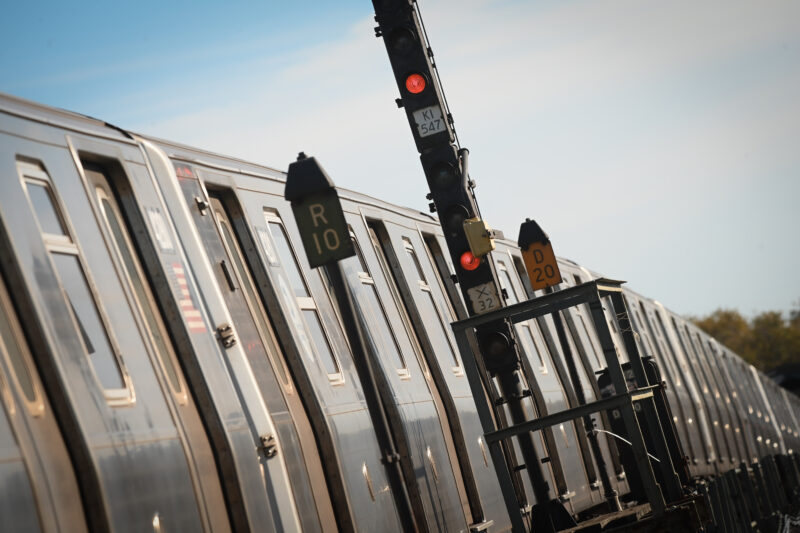
The new system will allow trains to operate closer together, supporting more frequent service and improved reliability. The project will replace ageing equipment that is increasingly difficult and expensive to maintain.
MTA Chair and CEO Janno Lieber said:Signal issues are the number one cause of subway delays – no surprise considering the ancient relics we’ve been using to direct train traffic. Thanks to this almost $2 billion project – the largest of its kind in MTA history – we are going to be able to run more A and C trains faster, safer, and more reliably than ever before.
Congestion pricing revenue will fund the investment, which forms part of a wider programme to modernise signals across New York’s subway network.
The first phase will replace ageing switches and more than 250 feet of specialised track between 104 St and 99 St in Queens. The MTA expects the project to be completed in the second quarter of 2032.
Governor Hochul said:Congestion pricing keeps delivering wins for New Yorkers. Upgrading nearly 100-year-old signals does more than just modernize infrastructure that is long-overdue – it is a critical part of our plan to run better and more frequent subway service, shortening waits and slashing delays. When this project is done, hundreds of thousands of A and C train riders will benefit from the world-class service on new, modern trains that New Yorkers deserve.
The contract was awarded to L.K. Comstock & Railworks in December 2025. The MTA’s design-build approach and revised construction methods are expected to reduce signal modernisation costs per mile by 33% compared with previous CBTC projects.