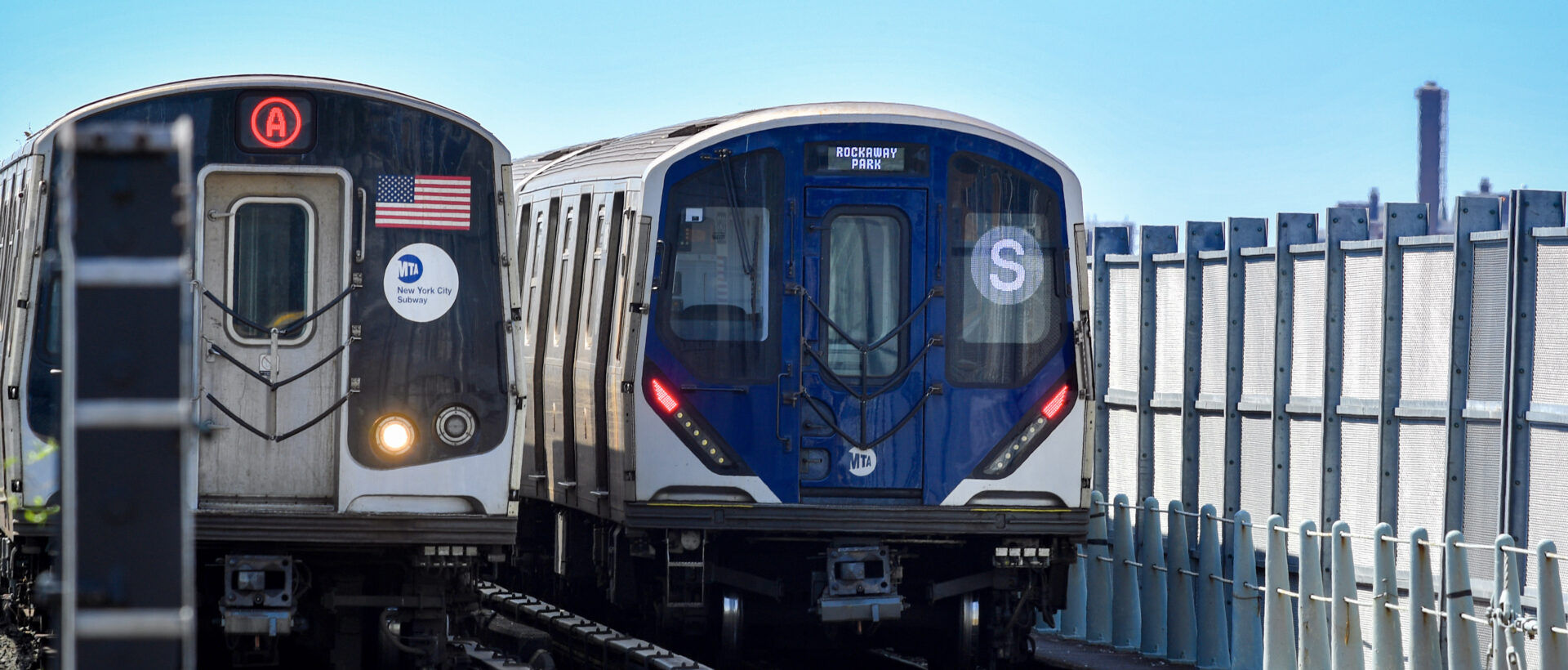
The Metropolitan Transportation Authority (MTA) has introduced the first R211A subway trains on New York City’s D line, making it the sixth route to operate the new fleet.
The trains entered service on 1 July and will gradually replace the R68 cars, which have operated on the line since the 1980s. The rollout coincides with the start of the summer season, when the D line provides access to Coney Island.
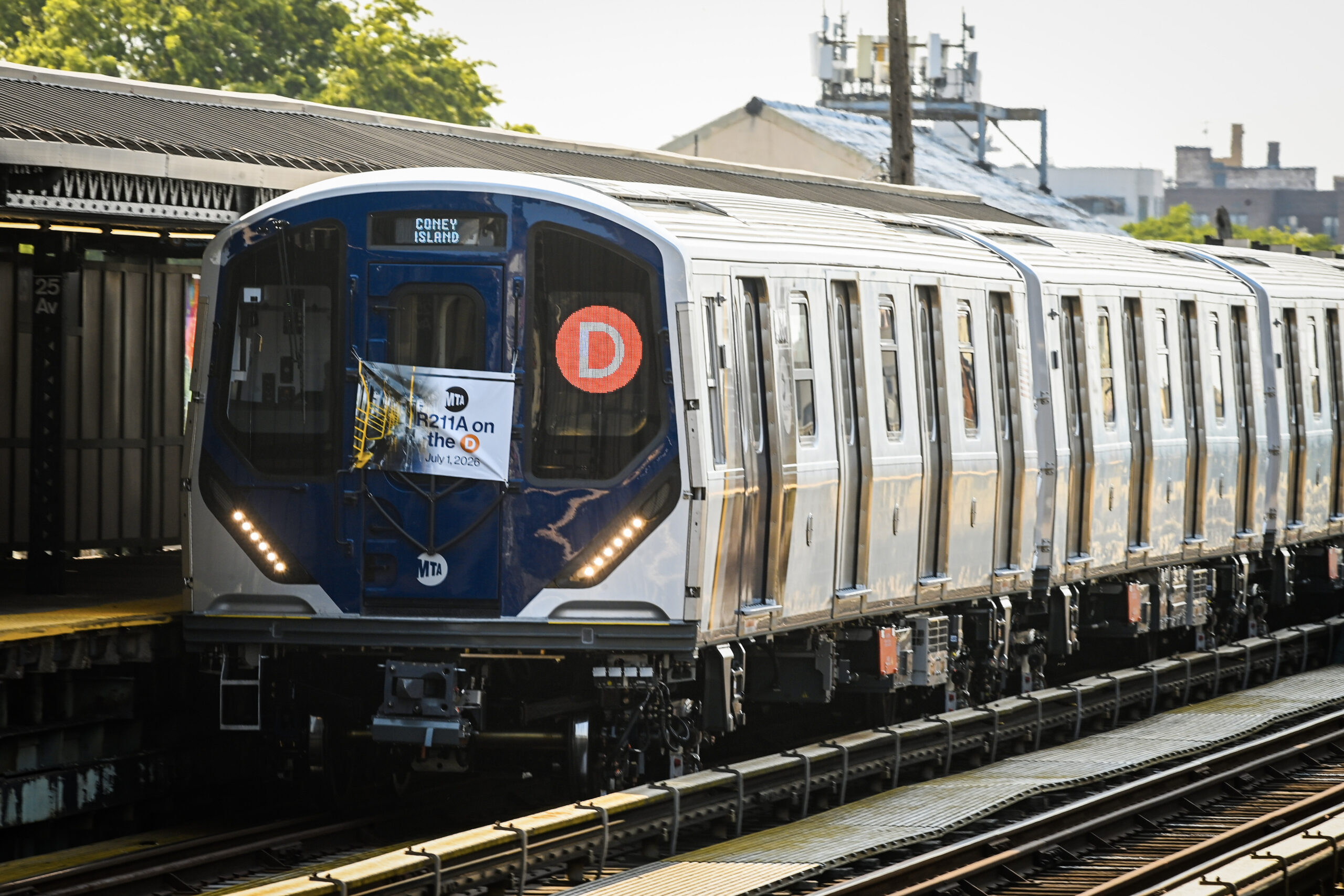
The R211 fleet forms part of the MTA’s wider programme to modernise the New York City subway network. The new trains feature door openings measuring 58 inches wide, eight inches wider than those on older rolling stock, with the aim of reducing boarding times and improving station dwell times.
Other features include security cameras in every carriage, additional priority seating, digital passenger information displays, improved lighting and updated signage.
The R211 fleet has achieved an average mean distance between failures of approximately 294,000 miles, compared with around 58,700 miles for the R46 fleet that is being replaced. The improved reliability is expected to reduce service disruptions and maintenance requirements.
MTA Chair and CEO Janno Lieber said:Today we celebrate the debut of the new R211s on the D line. These new trains will take customers where they want to go faster and more reliably. Riders have told us that they love the new designs and the extra space on the new trains, and we love the fact that R211s are much less prone to breakdowns – running almost 300,000 miles between breakdowns, double the rest of the fleet.
The introduction of the R211 trains on the D line follows previous deployments across other parts of the network. The fleet replaced R44 trains on the Staten Island Railway during 2025 and has also entered service on the A, B, C and G lines, as well as the Rockaway Shuttle. The MTA is continuing to replace older R46 and R68 vehicles across the system.
In March, the authority also announced plans to procure a further generation of subway trains through what it described as its largest rolling stock contract to date. The proposed order includes a base purchase of 1,140 vehicles to replace the R62 and R62A fleets, with an option for up to 1,250 additional cars to replace the R142 and R142A fleets.
Customer surveys indicate that passengers travelling on lines served by the R211 fleet report higher levels of satisfaction with train cleanliness than the network average.