Why Safe Boarding and Disembarking Must Be a Priority for Modern Rail
Rail travel connects people and places. It should make travel easier, not harder. For passengers with reduced mobility (PRM), the most important part of the journey is often the few moments when they board or leave the train. A small step or gap can decide whether a journey feels safe and independent — or stressful and difficult.
These moments matter. They show how inclusive and welldesigned a rail system really is. Safe boarding and disembarking require good planning, reliable equipment, and trained staff who understand what passengers need. With the right support, travel becomes a positive experience for everyone.
Making Accessibility a Global Priority
Rail use is growing quickly across the world. In Europe, for example, people travelled a record 429 billion passengerkilometres by train in 2023 (Eurostat). Yet many reports still show that rail networks must do more to support passengers with disabilities or reduced mobility. Some stations and trains are not easy to access, especially when boarding and alighting.
Closing these gaps is essential. When every passenger can board and leave safely, rail becomes a transport mode that truly serves everyone — including older adults and people using wheelchairs, walking aids, or mobility scooters.
Portaramp UK: Focused on Safe Access
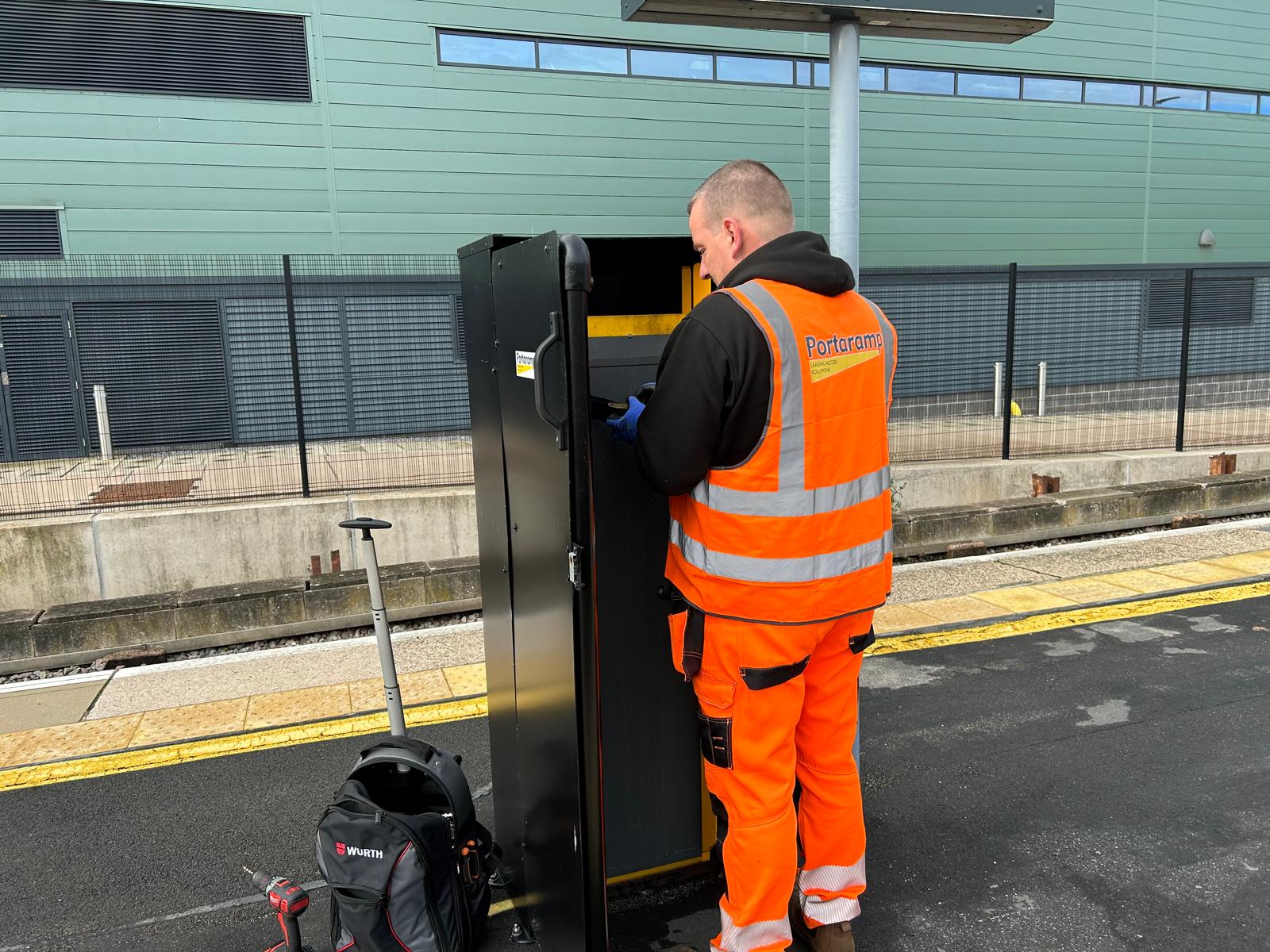
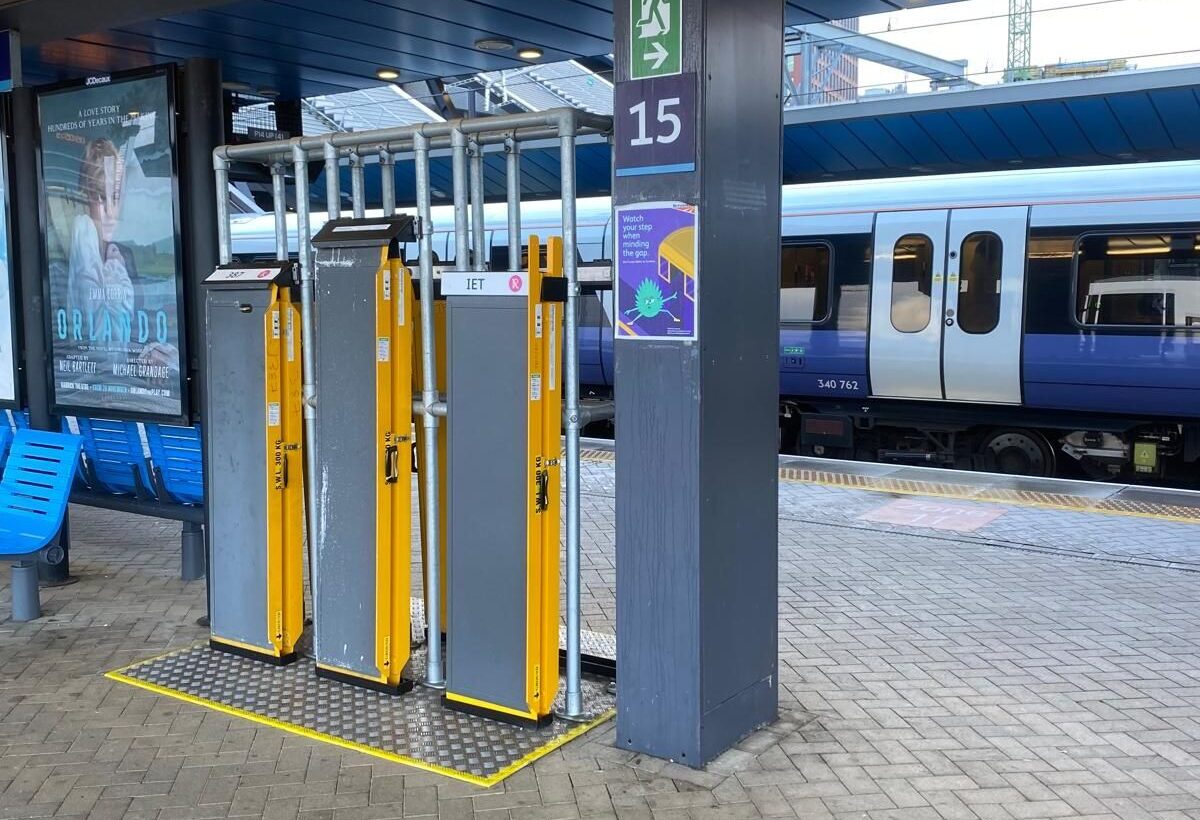
Portaramp UK designs and manufactures portable access ramps that make it safer and easier for passengers with reduced mobility to get on and off trains. These ramps are already used by many operators and train builders globally. They are known for their quality, strength, and ease of use.
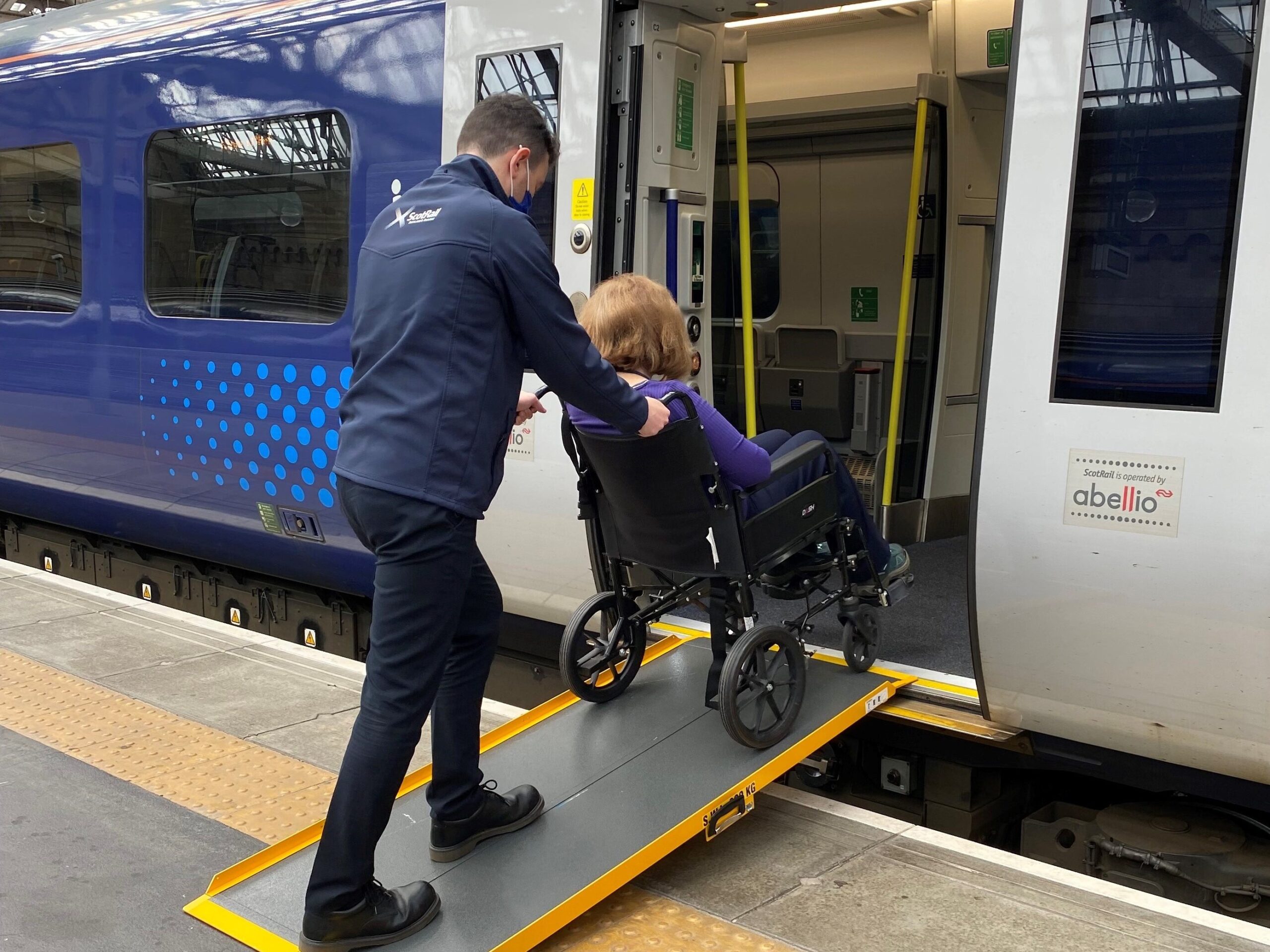
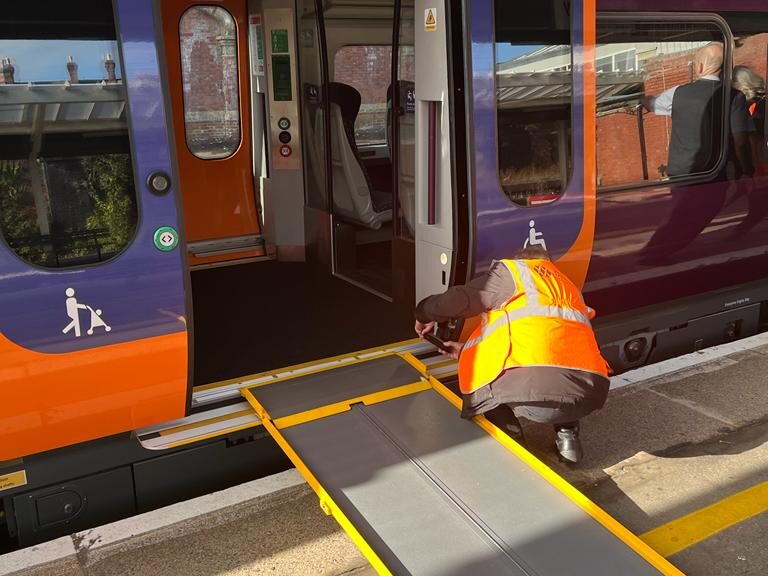
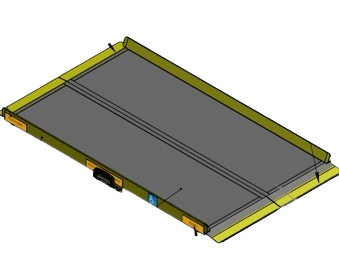
Portaramp ramps are made in the UK using highstrength, lightweight aluminium composite panels. This makes them strong enough for everyday use but light enough for staff to handle easily. Safety features include slip resistant surfaces, side upstands and builtin carry handles. These details help staff deploy ramps quickly and correctly, even when trains stop for only a short time.
Designed for Real Rail Operations
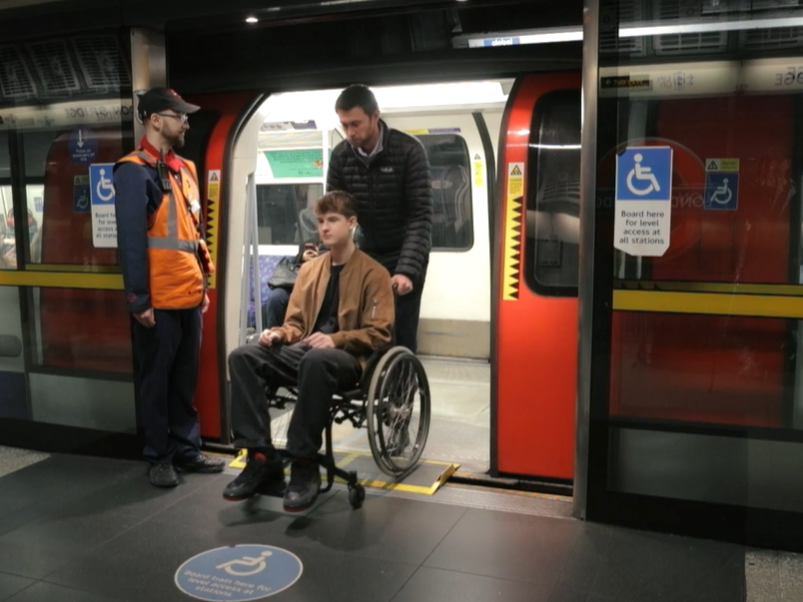
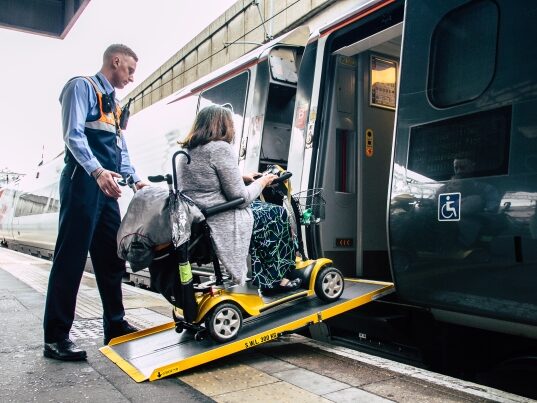
The ramps are built to provide stable and safe access. Passengers using wheelchairs, mobility scooters, or walking aids can board and leave the train with confidence and assistance. Each ramp is tested to carry high weight and resist movement during use. Operators can choose standard models or customised designs that fit specific train types and platform heights.
The ramps’ lightweight, simple design helps staff move them easily. This reduces fatigue and the risk of injury, while passengers benefit from smooth, secure footing as they cross the gap. For both passengers and staff, the process becomes faster, safer, and more reliable — even on busy networks.
Meeting International Standards
In Europe, rail accessibility is defined by the Technical Specifications for Interoperability relating to Persons with Reduced Mobility (TSI PRM). These rules set clear requirements for train access, platform gaps, and boarding systems to make rail travel consistent and safe for all users.
Portaramp ramps have been assessed according to these standards and approved as compliant with the TSI PRM and related National Technical Specification Notices (NTSN). Independent evaluations also check the quality of materials and production processes, ensuring that the ramps are reliable for daily use.
This level of compliance helps operators show that they meet international safety and accessibility goals while providing trusted equipment to their staff and passengers.
Why Boarding and Alighting Matter So Much
For many passengers with reduced mobility, the hardest part of the journey is getting onto and off the train. If the process feels unsafe or complicated, it can discourage people from travelling by rail at all.
When operators invest in safe boarding solutions and clear support procedures, they do more than meet regulations. They give passengers confidence and improve the reputation of the entire rail system. Safe access benefits everyone.
A Global Vision for Inclusive Rail
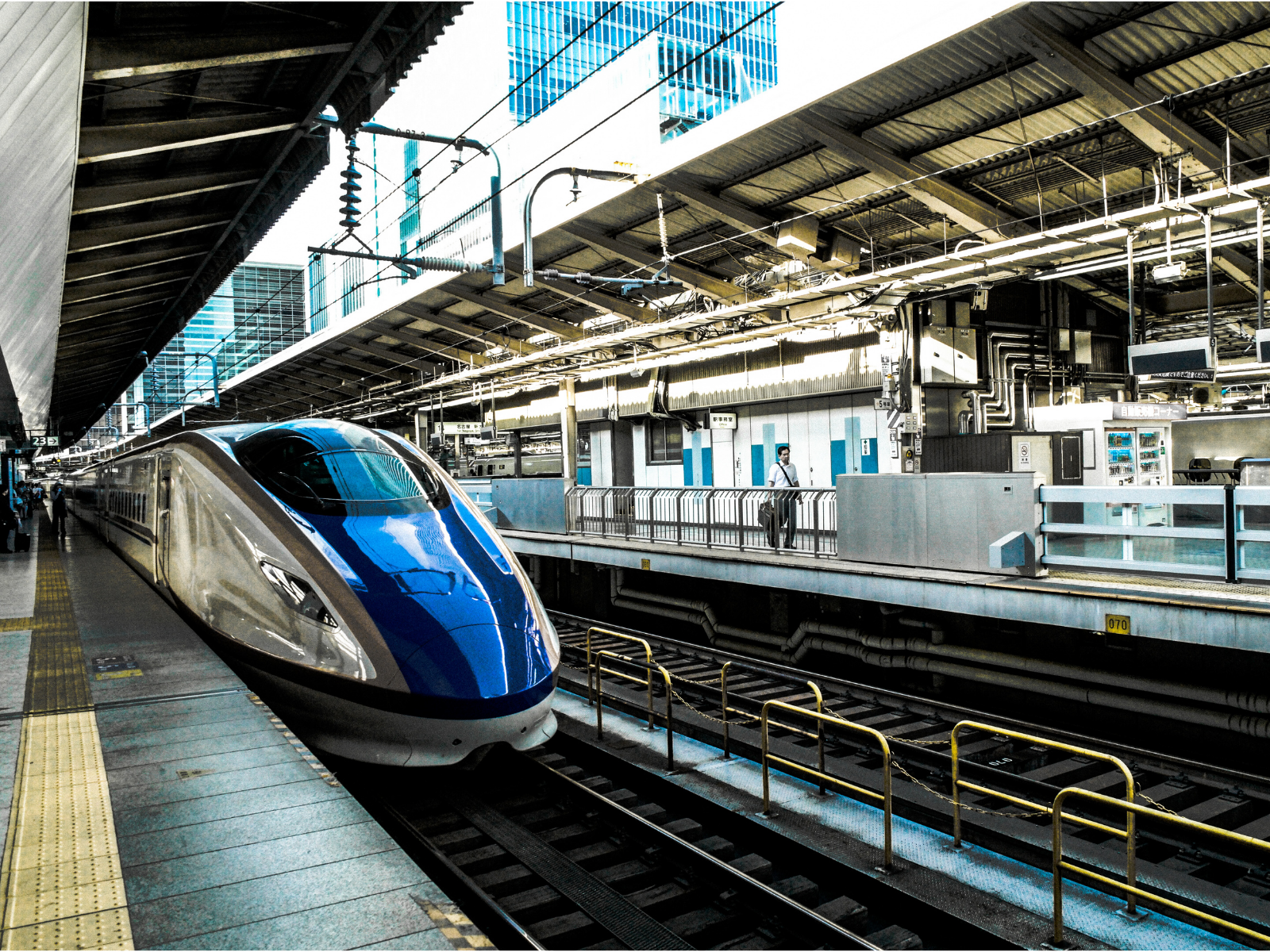
Portaramp UK’s goal is simple: to make safe, dignified boarding and disembarking standard practice across all rail networks worldwide. From local trains to highspeed routes, every passenger should be able to board and travel without barriers.
To achieve this, Portaramp works in partnership with operators around the world. The company shares best practices, designs custom solutions, and helps teams improve their procedures for passengers with reduced mobility.
As rail travel continues to grow and passenger expectations rise, accessibility will remain a key measure of quality and service. Operators that prioritise safe boarding and disembarking will not only meet compliance requirements — they will also attract and retain more passengers.
For Portaramp UK, accessibility is not an extra feature. It is part of what makes modern rail transport strong, inclusive, and future-ready. Safe boarding means travel with confidence, independence, and dignity — for every passenger, on every journey.
This article was originally written by Portaramp.