Travel should be safe and accessible for everyone — including passengers with reduced mobility, wheelchair users, older people, or anyone who finds boarding trains difficult. Rail operators around the world must ensure that all passengers can travel safely and independently.
Accessibility and safety standards for rail systems are defined by:
- PRM TSI (Technical Specification for Interoperability – Persons with Reduced Mobility) — a European regulation covering accessibility of trains, stations and boarding aids. Legislation.gov.uk+1
- NTSN: Accessibility (ACC) — the UK’s own technical specification framework that replaced EU TSIs after Brexit, published under the Railways (Interoperability) Regulations 2011. GOV.UK+2GOV.UK+2
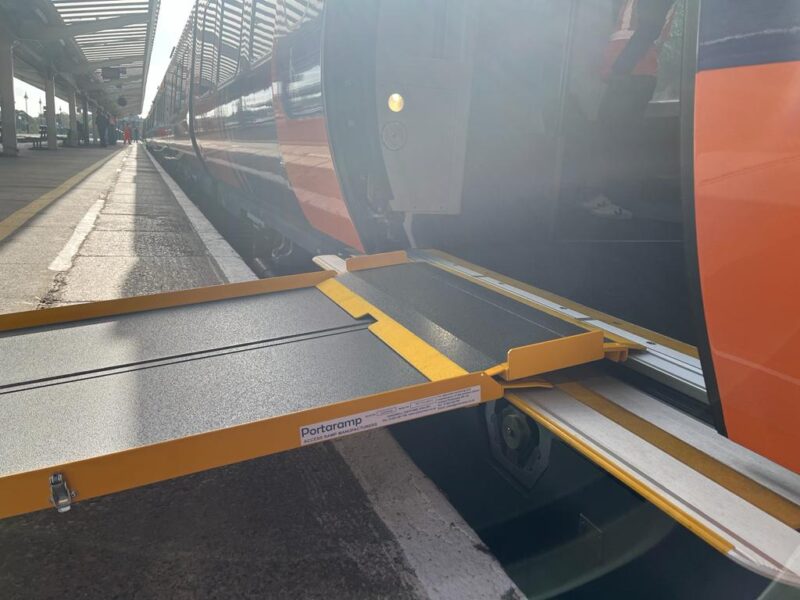
At Portaramp, we use PRM TSI and NTSN accessibility standards as our foundation, ensuring every ramp we design meets them as a minimum. We then refine each design to meet local regulations and additional safety requirements wherever the project is located.
What PRM TSI & NTSN Require — Key Elements of Accessibility
The PRM TSI and NTSN cover accessibility for both:
- Infrastructure — stations, platforms, entrances, walkways, boarding areas
- Rolling stock & boarding aids — trains, ramps, lifts, boarding devices
These are defined under the “infrastructure subsystem” and “rolling stock subsystem.” Legislation.gov.uk+1
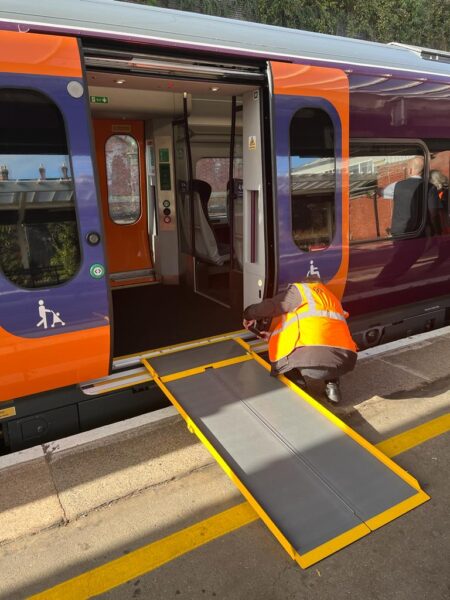
Major requirements for accessible boarding and travel include:
- Slip-resistant surfaces and safe floors
Station floors, platform surfaces, ramps and boarding aids must remain safe under wet or dry conditions to prevent slips or trips. GOV.UK+1 - Clear, wide, obstacle-free routes
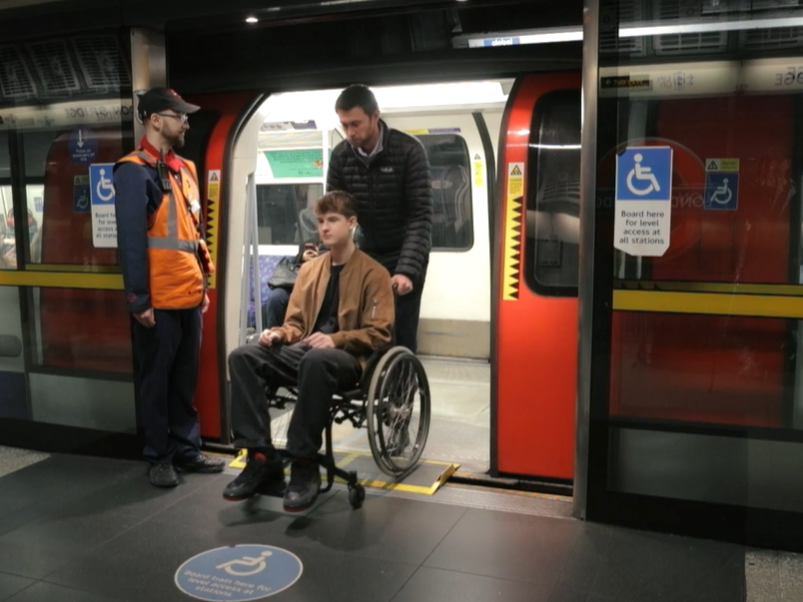
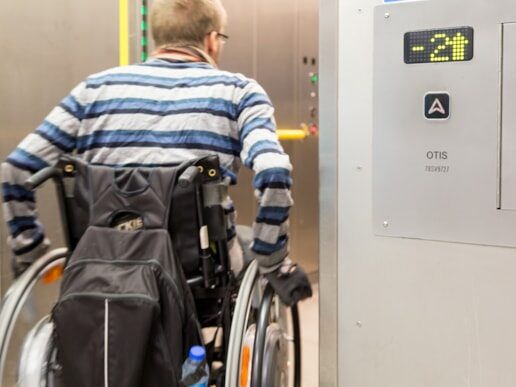
Entrances, walking paths, ramps, and boarding aids must allow unobstructed access for wheelchairs and mobility aids. GOV.UK+1 - Appropriate ramp / boarding aid design
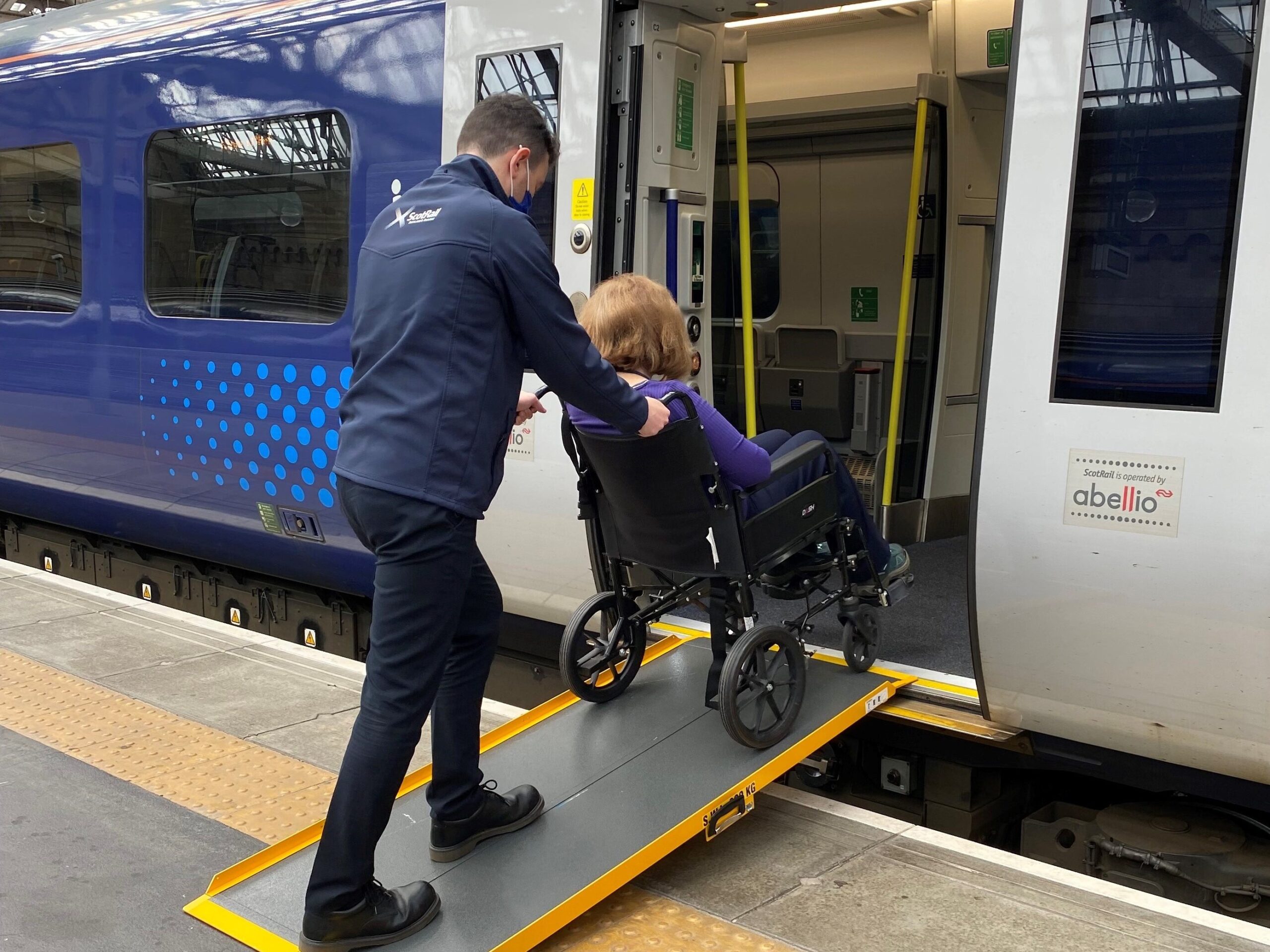
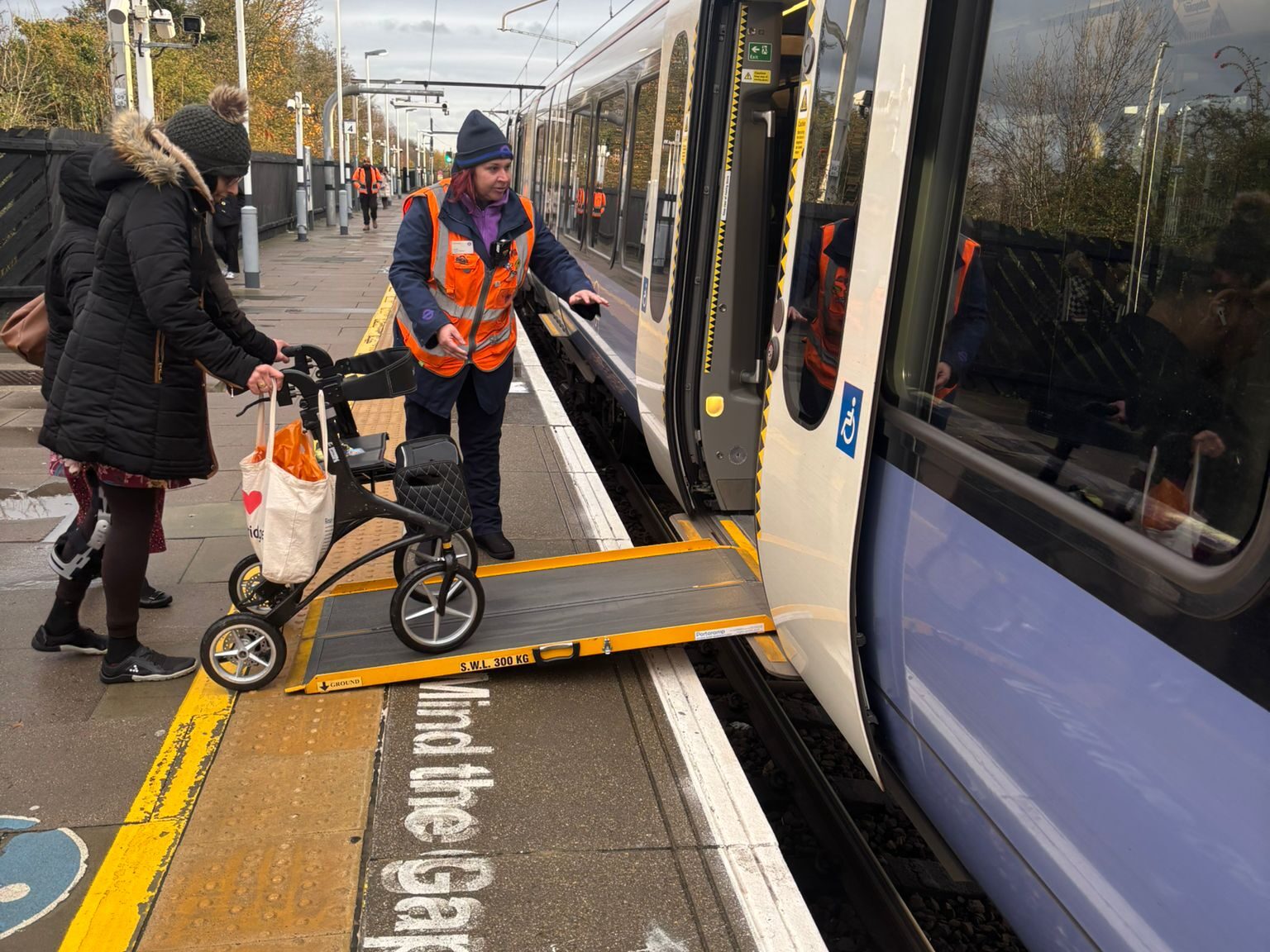
Where ramps or aids are used for boarding or alighting, they must meet technical specifications (e.g. width, edges, slope limits, secure deployment) to ensure safety. GOV.UK+1 - Safe boarding procedures and operational reliability
Rail operators must ensure that boarding aids are deployed and maintained correctly, and that staff are trained to assist safely where required. Legislation.gov.uk+1
Accessibility across the full travel experience
The standards cover travel from outside the station (parking or approach), through ticketing, waiting, boarding, on board travel, and alighting — making rail travel inclusive for passengers with reduced mobility. Legislation.gov.uk+1
In short: these regulations ensure the railway system is designed and operated so that persons with reduced mobility have equal access to services as other passengers.
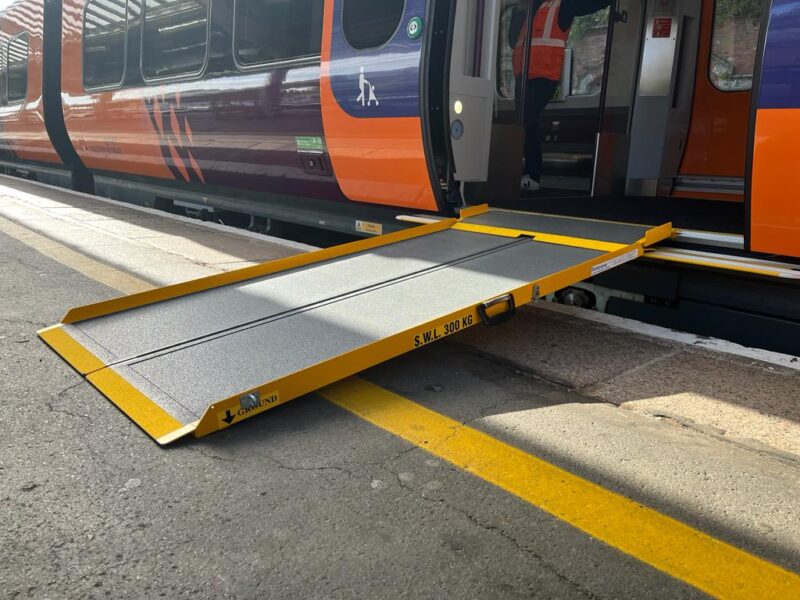
How Portaramp Ramps Comply — Concrete Examples
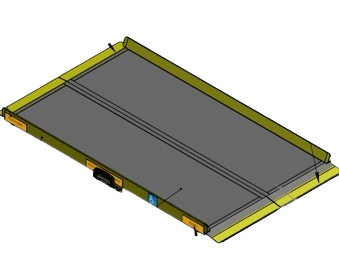
Portaramp ramps are engineered to meet (and often exceed) the core requirements set out by PRM TSI / NTSN. Here’s how:
- Slip-resistant surfaces
Our ramps are surfaced with materials that give good grip and remain safe whether wet or dry — reducing the risk of slipping. - Wide and clear access
Ramps are built to provide clear width suitable for wheelchairs and mobility aids. No unnecessary obstacles — ensuring safe passage. - Safe slopes and boarding aid design
Ramps are designed with manageable slopes, considering regulatory guidance on gradient, edges, and secure deployment. - Strong and durable construction
Each ramp is carefully engineered and tested to support users plus mobility aids and luggage — ensuring structural safety and reliability. - Adaptable to different rail systems and local regulations
Because rail infrastructure varies worldwide (platform heights, train types, local accessibility regulations), Portaramp provides bespoke ramp solutions designed to meet PRM TSI/NTSN standards and any additional local requirements. - Ease of operation and staff safety
Ramps are designed to be practical, safe, and easy to handle by staff — reducing risk of injury and simplifying deployment and maintenance. Combined with proper staff procedures, this always supports safe boarding and operations.
With these features, Portaramp ramps help ensure that passengers and staff can travel or work safely and confidently, regardless of location.
Global Reach — Example: Queensland Rail, Australia
Portaramp has supplied ramps to rail operators outside Europe — including in Australia. This global experience demonstrates our capability to deliver accessible and compliant solutions across different rail systems and regulatory environments.
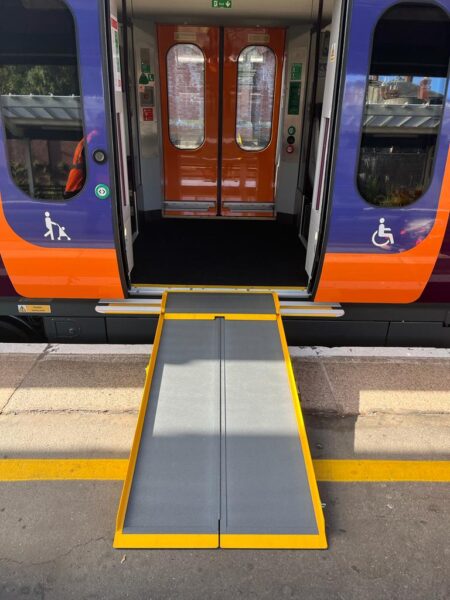
Feedback from Queensland Rail:Engaging Portaramp to assist us address a long-standing legacy issue that has impacted frontline safety and operational efficiency for over two decades has been monumental. We are very excited to be able to welcome the Portaramp products across the South East Queensland Rail Network in the very near future. The Portaramp team go above and beyond regarding all the modifications requested – Thank you to Mandy, Jack and especially Louis!
This shows that our approach — starting with a globally recognised baseline standard, then adapting — works in practice. It underlines our commitment to safety, accessibility, and reliable solutions worldwide.
Why This Matters: Commitment to Inclusive, Safe Rail Travel
Using PRM TSI and NTSN as baseline standards for design and compliance is about more than regulations — it is about commitment:
- Passengers with reduced mobility — can travel safely, confidently, and independently.
- Staff and operators — can rely on consistent, safe, and easy-to-use boarding aids.
- Rail operators globally — receive solutions that meet international accessibility standards, yet are adaptable for local needs.
- Inclusive travel — ensuring no one is excluded from public transport due to mobility limitations.
At Portaramp, our ramp designs reflect this commitment: combining technical compliance with real-world practicality and adaptability.
Our Global Experience
We have designed and supplied ramps across:
- European Union
- United Kingdom
- Canada
- Australia
- Other international rail operators and networks
Each project receives careful attention to local context — whether platform heights, regulatory requirements, or operator preferences — while maintaining the core principles of safety, accessibility and durability.
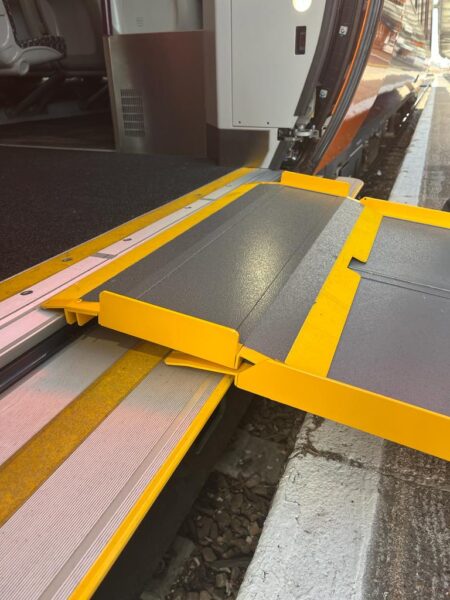
Learn More & Regulation References
- Read the full PRM TSI regulation here: Commission Regulation 1300/2014 (PRM TSI). Legislation.gov.uk+1
- Read the NTSN: Accessibility (ACC) notice here (Great Britain only): NTSN: Accessibility – GOV.UK. GOV.UK+1
At Portaramp, we are proud to support safer, more accessible, and inclusive rail travel — wherever our ramp solutions are used.
Discover How Portaramp Can Improve Accessibility on Your Network
Ready to make your rail services safer, more accessible, and fully compliant? Explore our range of ramps and boarding solutions designed to meet PRM TSI and NTSN standards. Contact our team today to discuss a bespoke solution for your stations and trains.
This article was originally written by Portaramp.