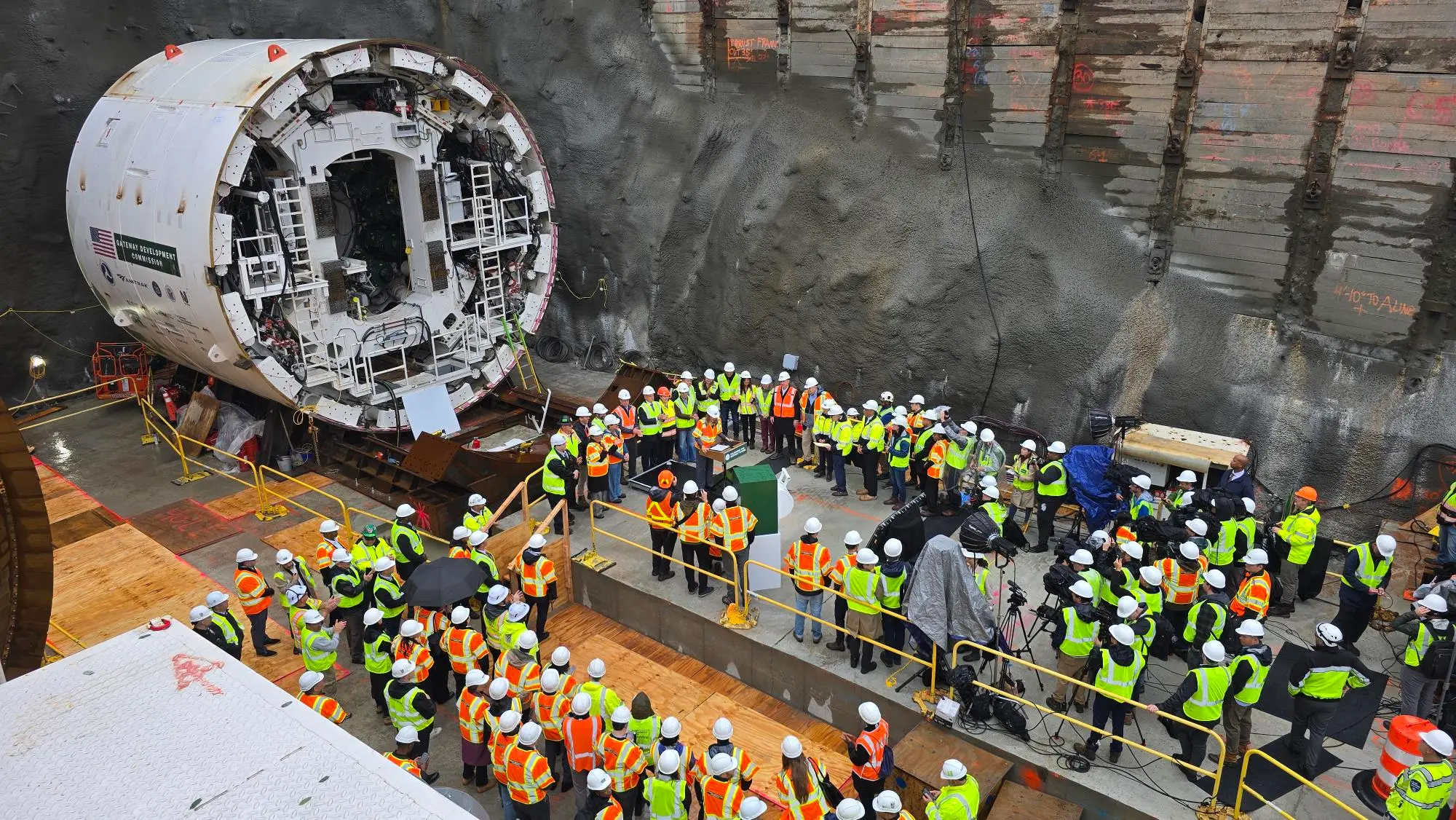
Webuild has celebrated the latest milestone of the Salerno–Reggio Calabria high-speed/high-capacity rail project with the successful excavation of the Serra Lunga tunnel.
Excavation has now begun on the Sicignano tunnel, marking another major step in the construction of 35km of railway in the Province of Salerno, where works are being carried out by the consortium led by Webuild on behalf of Rete Ferroviaria Italiana (FS Italiane Group).
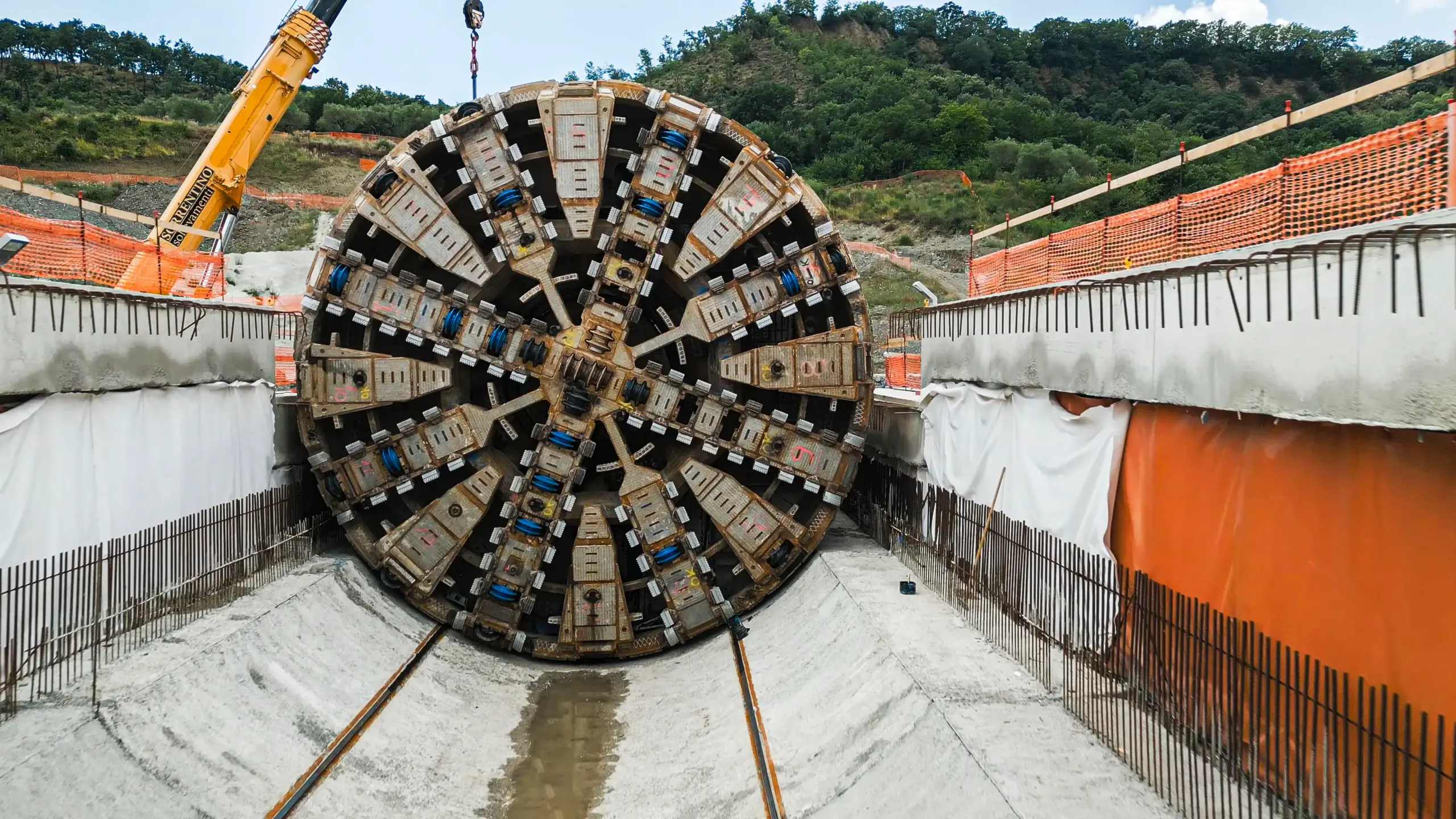
Work to excavate the project’s tunnels is led by tunnel-boring machines (TBMs) Leucosia and Mireille, two of the most advanced machines of their kind operating in Europe today.
Serra Lunga marks the second tunnel to be completed on Lot 1A following Caterina, which itself was the first of the series of eight natural tunnels to be excavated using a set of four TBMs.
Caterina’s excavation was completed by TBM Mireille, which had previously been deployed on Line 16 of the Grand Paris Express in France and was subsequently refurbished by Webuild at its Terni facility, which was established to give the machines new life in line with circular economy principles.
After a 400 metre relocation, Mireille reached the entrance of the future Sicignano tunnel, where it has now begun its journey of more than 2.5km through the Sele Valley between the municipalities of Buccino and Sicignano degli Alburni.
Meanwhile, excavation of the 800-metre Serra Lunga tunnel was being carried out by Leucosia, which achieved peak excavation rates of around 15 metres per day and completed the tunnel’s final lining by installing more than 2,900 precast segments.
Leucosia will now be relocated over a viaduct in the coming months in order to reach the next excavation site, the Acerra tunnel, which is set to run a length of 224 metres. Once situated, the TBM will excavate the 1.2km Petrolla tunnel, which will be connected to Acerra via a railway viaduct.
Elsewhere, work is progressing on Lot 1A with the use of two other giant TBMs: Partneope, which is excavating the 3km Saginara tunnel, and Ligea, which is excavating the 2.2km Piano Grasso tunnel before embarking on the 1.5km Contursi tunnel – both of which will be connected by viaducts.
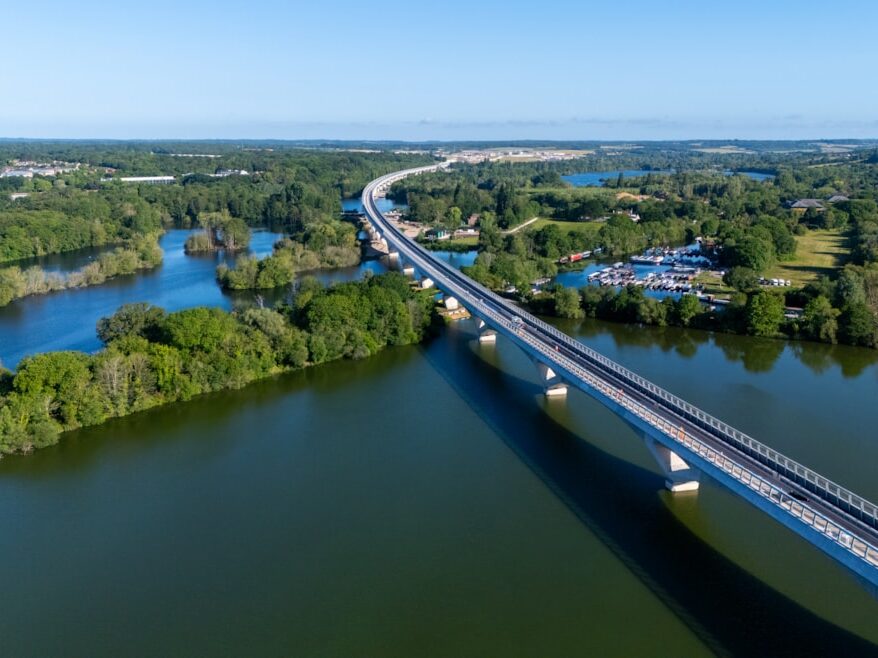
Other construction activities on Lot 1A are progressing steadily as the project enters what is considered to be its most complex and challenging implementation phase. Installation of the steel deck for the viaduct that will allow Leucosia to reach the Acerra tunnel has been completed, with the structure weighing over 800 tonnes.
Activities have also been completed on an additional viaduct for the TBM’s subsequent relocation to the Petrolla tunnel, including the installation of a major steel deck weighing more than 1,300 tonnes.
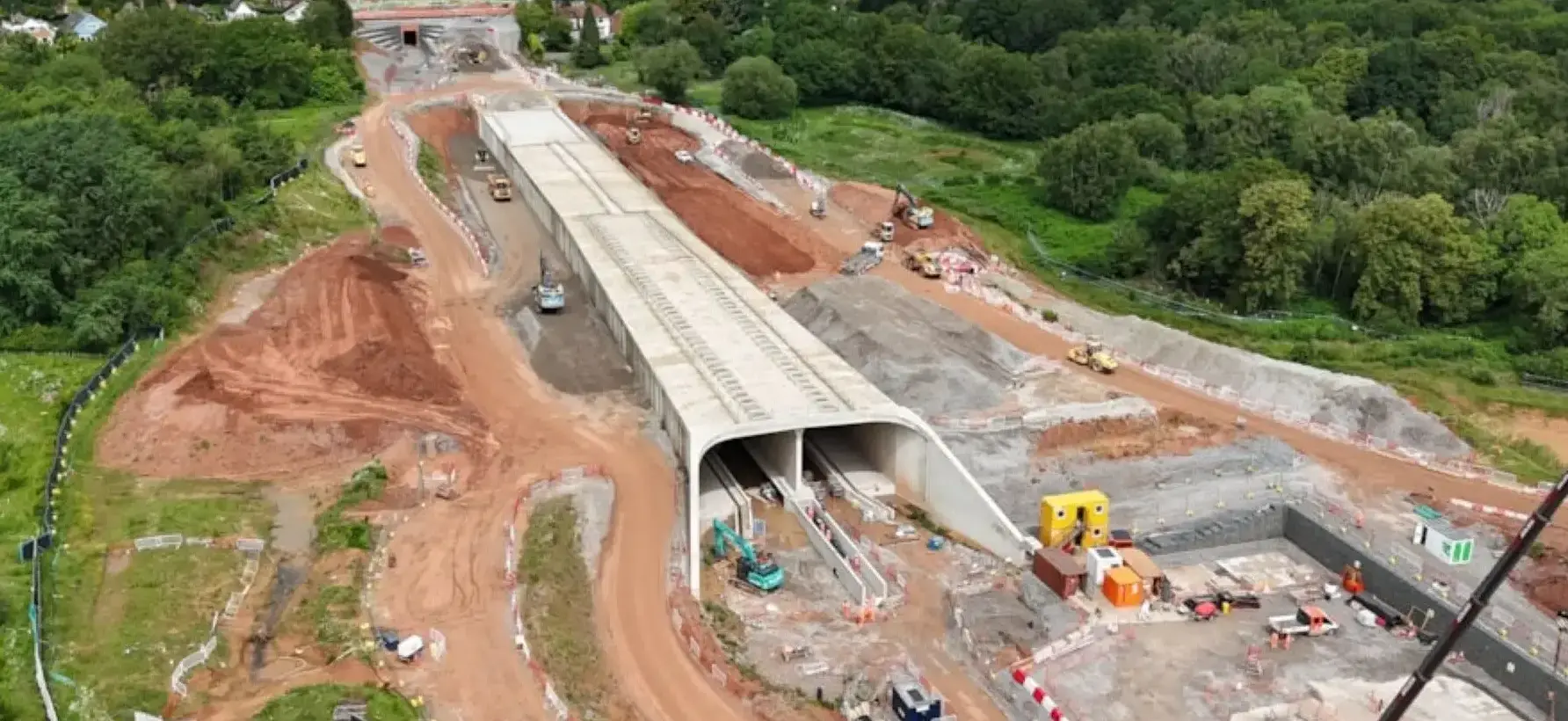
Excavation has now begun on two of the eight cut-and-cover tunnels included in the project, each of which are approximately 1.3km in length. They are being completed using the Milan Method, whilst excavation is underway on the 450-metre-long Cerreta natural tunnel using conventional methods.
In total, Lot 1A, which is being handled by a consortium led by Webuild and including FS Rail Construction, Ghella and Tunnel Pro, will see the construction of 20 tunnels and 19 viaducts. The project employs over 2,000 people, and relies on a supply chain of more than 1,300 direct and indirect suppliers – roughly 80% of which are local companies.
The intervention forms part of a broader project for the construction of the Salerno-Reggio Calabria line, which itself is a key section of the Scandinavian-Mediterranean Corridor within the Trans-European Transport Network (TEN-T).