The transformation of steel production is an important step toward more sustainable value chains. With greentec steel, voestalpine is committed to the gradual electrification of steel production. This also benefits voestalpine Railway Systems: greentec steel opens up new opportunities to sustainably reduce the carbon footprint of rail and turnout solutions, as well as railway infrastructure as a whole.
CO₂ Reduction and Circular Economy: The Foundation for Sustainable Railway Infrastructure
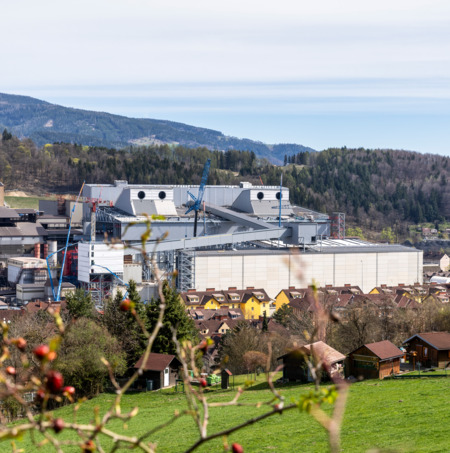
As a first step, green electricity-powered Electric Arc Furnaces (EAFs) will be commissioned at the Linz and Donawitz sites from 2027 onwards, while two coal-based blast furnace units will be decommissioned.
In Donawitz, the EAF facility will be further expanded by 2030. Planned investments in power supply infrastructure, secondary metallurgy, and scrap logistics will provide the foundation for producing up to 1.5 million tonnes of CO₂-reduced steel per year. This would enable steel production at the site to be fully electrified by 2030.
The long-term objective remains achieving net-zero CO₂ emissions in steel production by 2050.
The circular economy plays a central role in this: Through the targeted use of scrap as a valuable raw material, as well as resource-efficient production processes, materials are utilized efficiently and valuable resources are kept in the cycle.
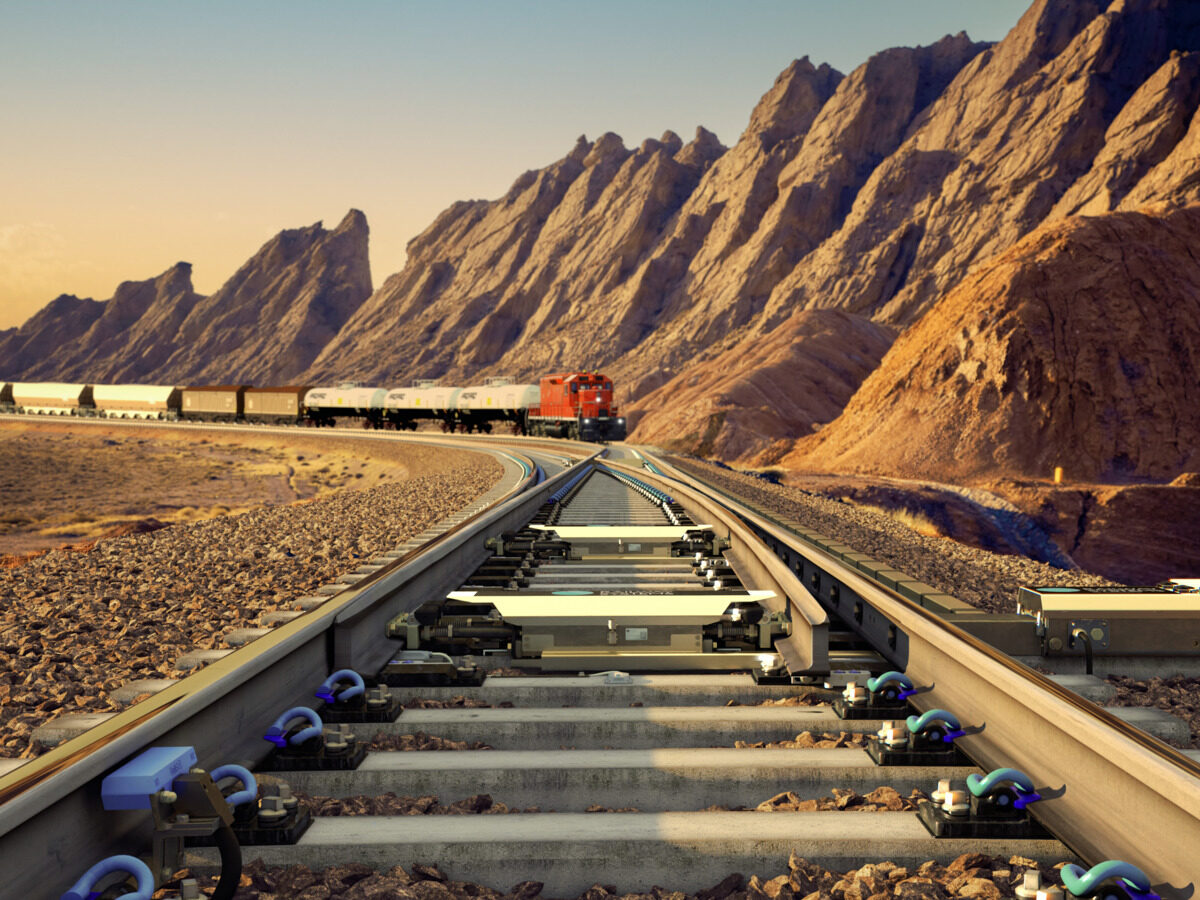
For the railway industry, greentec steel opens the possibility of sustainably reducing the CO₂ footprint of products such as rails and turnouts. Customers benefit from the high quality they’ve come to expect, coupled with an improved carbon footprint. This enables targeted support for increasing demand for sustainability and transparency throughout the supply chain.
Video Series: What Is greentec steel?
In Episode 1, Franz Kainersdorfer, Head of the Metal Engineering Division and Member of the Executive Board of voestalpine AG, and Michael Köck, Managing Director of voestalpine Stahl Donawitz, provide insights into greentec steel. They explain the background of the project, discuss the transformation of voestalpine, and show how the future of steel production is being shaped in a more sustainable way.
Franz Kainersdorfer, Member of the Management Board and Head of the Metal Engineering Division at voestalpine AG, said:We will reduce CO₂ emissions by 55% by the end of 2027, increasing to up to 90% from 2030 onwards.
Michael Köck, Managing Director at voestalpine Stahl Donawitz GmbH, said:We have been working on this for many years. Personally, I can hardly wait for us to go into operation and to finally see the results of these preparatory measures.
Are sufficient volumes of high-quality scrap available? How are employees being prepared for the new technologies? And what factors made greentec steel possible in the first place? Our experts answer these and many other questions in the full video.
This article was originally published by voestalpine Railway Systems.