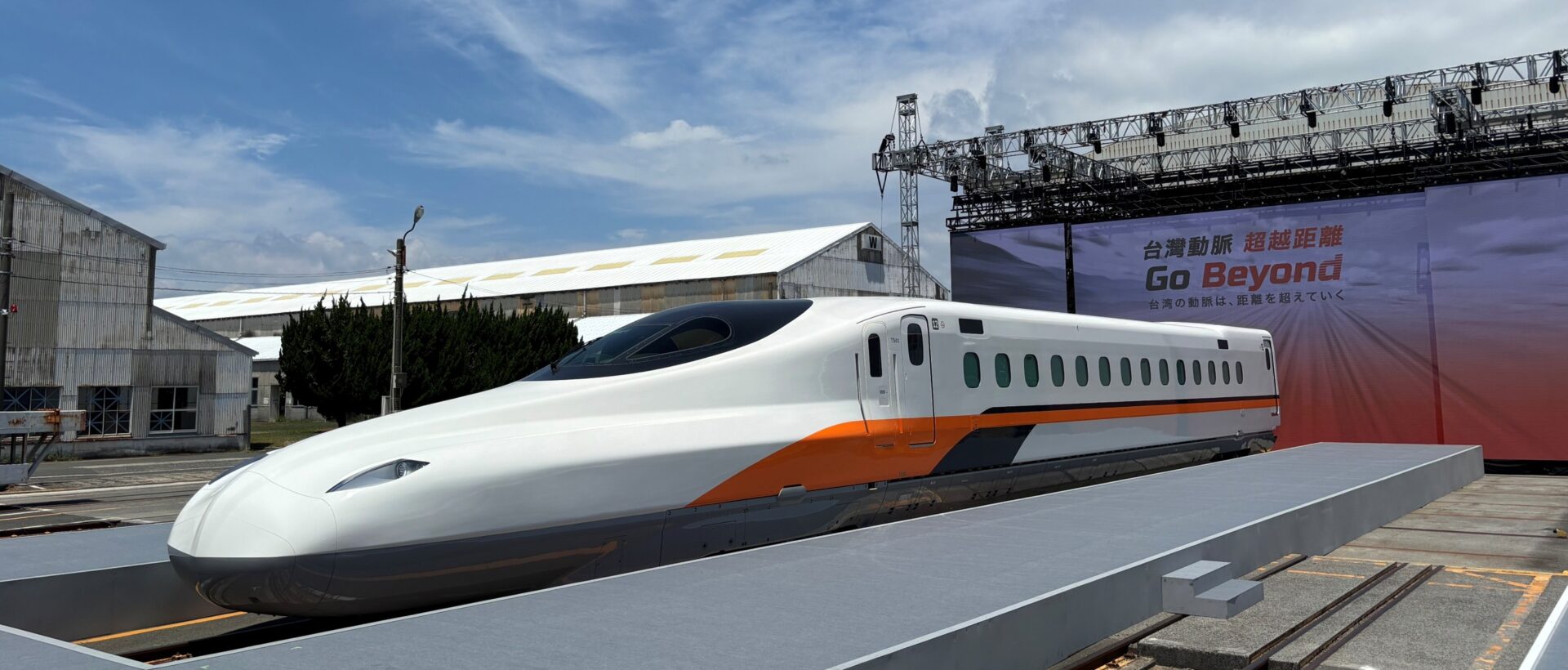
The U.S. Department of Transportation (US DOT) has announced plans to modernise federal train noise regulations, with the Federal Railroad Administration (FRA) proposing changes to support the introduction of higher-speed rail services in the US.
The current noise emission standards were developed in the 1970s and focus primarily on engine and mechanical noise. The agency said these rules do not adequately account for aerodynamic noise, which becomes the dominant source of sound at speeds above 160mph (257km/h).
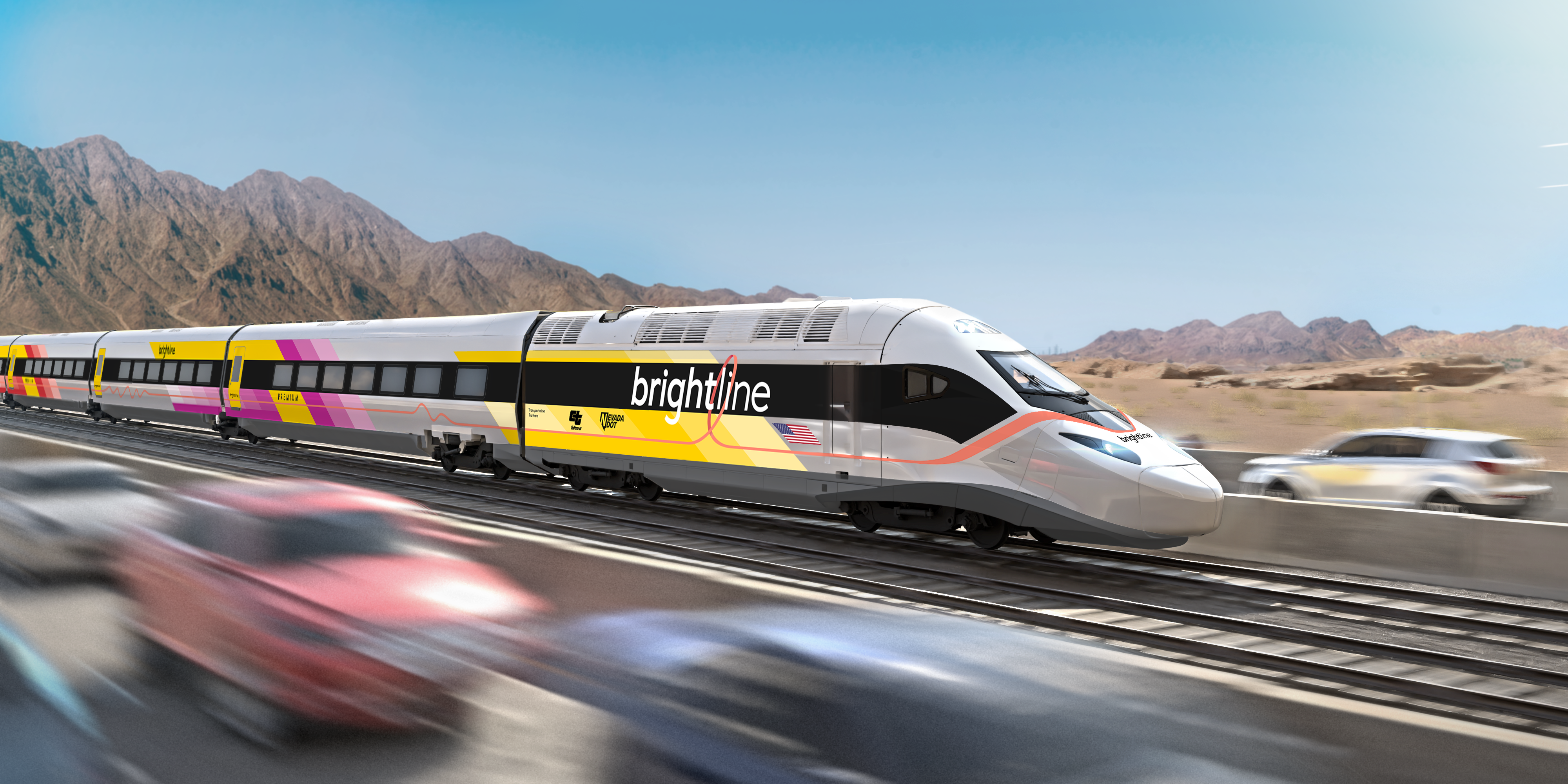
The existing rules arguably disadvantage trains whose primary source of noise at higher speeds is aerodynamic rather than mechanical.
Under the proposed framework, a new alternative noise standard would apply to trains operating between 160mph and 220mph (257–354km/h). The proposal also introduces an approval process for rail systems operating above 220mph, including magnetic levitation (maglev) technology.
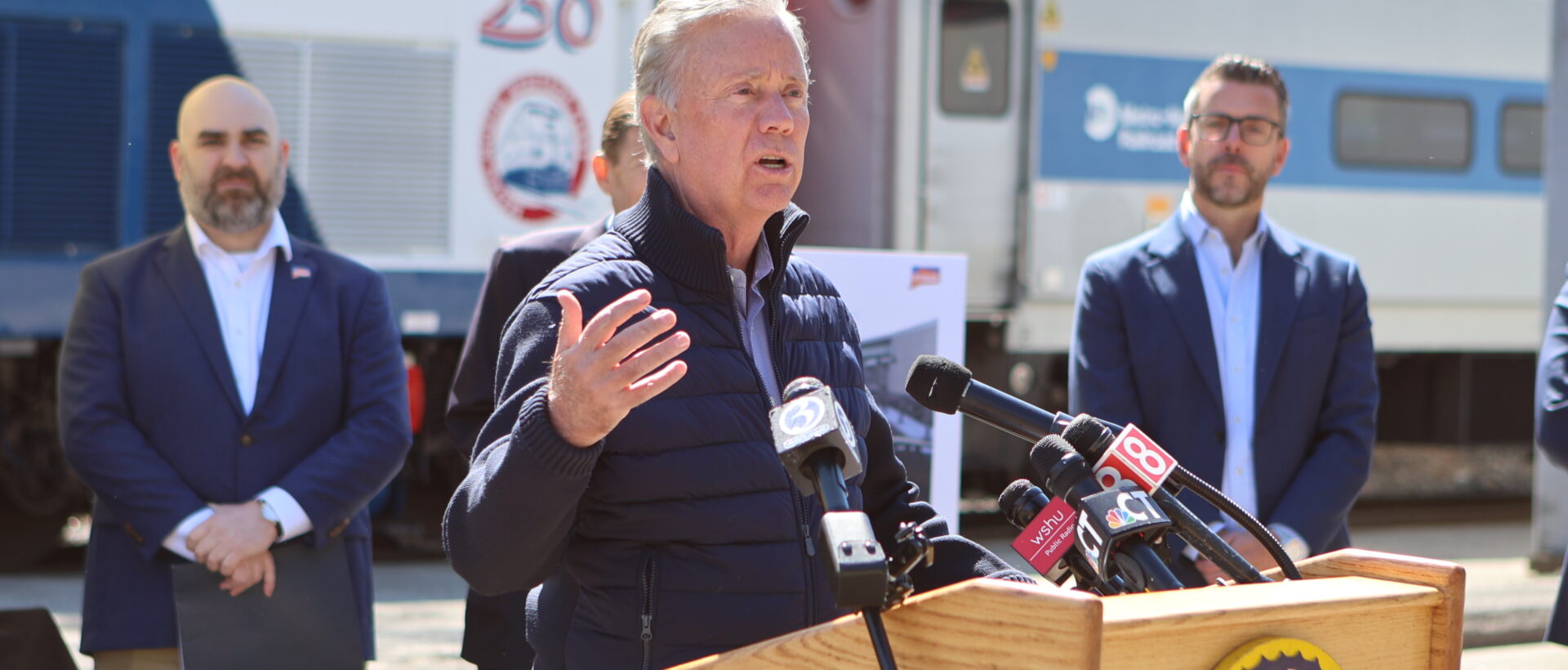
FRA Administrator David Fink said:One of the reasons we don’t have true high speed rail in the United States is because current rules disadvantage trains that generate most of their noise from sources other than their engines and rolling stock instead of approaching the issue holistically. Updating this rule will remove a major obstacle railroads currently face when trying to operate high speed trains.
The revised framework would remove requirements for certain equipment modifications that are no longer considered necessary for modern high-speed trainsets. Existing noise limits for conventional rail services operating at speeds of up to 160mph would remain unchanged.
The FRA estimates that the proposed reforms could reduce compliance costs for high-speed rail developers by around 100 million USD over the next 30 years.
U.S. Transportation Secretary Sean P. Duffy said:The Biden-Buttigieg administration dumped dollars into Gavin Newsom’s multi-billion-dollar Train to Nowhere instead of doing any regulatory work to make building this kind of innovation in America possible. This administration is cutting through the red tape that has stopped rail innovators from building in America before. We’re making it attractive to businesses and investors to partner with USDOT and develop high speed rail here in the U.S.
The proposal forms part of a wider programme by the FRA to update long-standing rail regulations, with several rulemaking initiatives underway to modernise standards covering high-speed rail operations, signalling and the introduction of new railway technologies.