The UK rail industry faces a persistent and complex challenge: the increasing demand for maintenance, renewal, and enhancement must be met within progressively limited access windows. While simultaneously improving safety, reducing operational costs, and minimising service disruption is critical for passengers and the economy.
For infrastructure managers and principal contractors across the network, the pressure to maximise productivity during engineering possessions, all while maintaining the highest safety standards. As the industry accelerates the adoption of new technologies, innovative processes are becoming essential enablers for delivering a safer and more efficient railway.
The Core Challenge: Optimising Track Access
Engineering possessions are essential for maintaining and upgrading Britain’s railway infrastructure. However, every minute spent establishing, managing and removing protection arrangements is a minute that cannot be spent carrying out productive engineering work.
Industry leaders have repeatedly highlighted the importance of improving possession efficiency, reducing overruns, and maximising available access time. Given that the demand for track access is growing while possession time remains highly constrained, the industry requires smarter, technology-enabled methods that remove unnecessary processes and improve the effectiveness of every shift.
Making The Shift
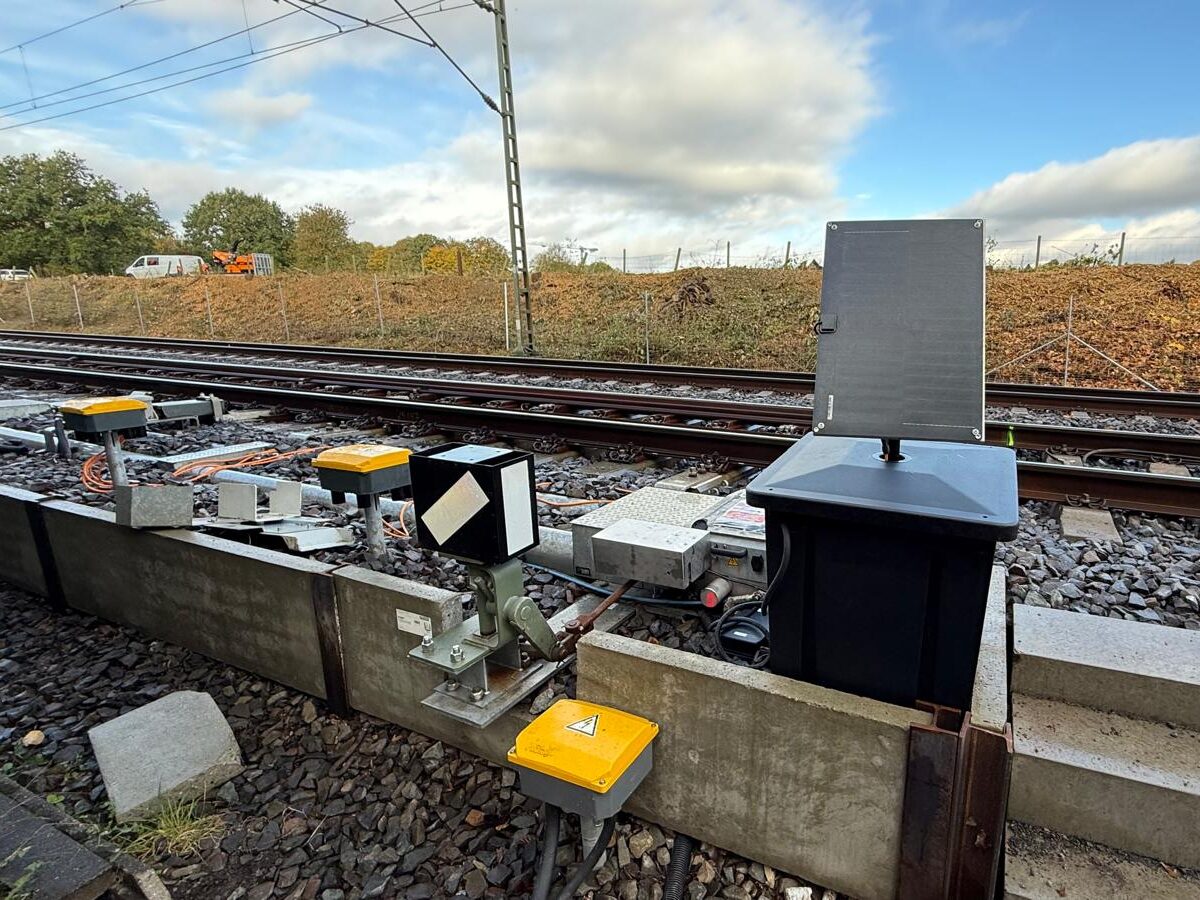
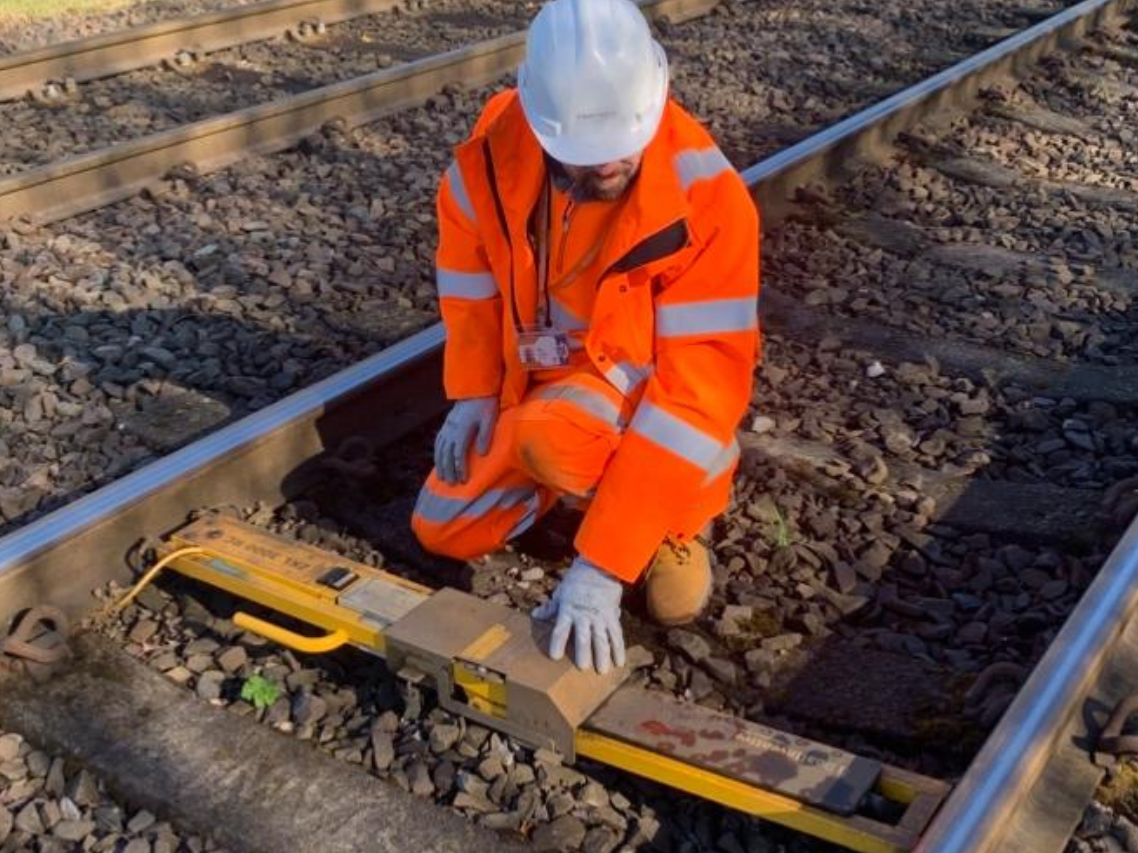
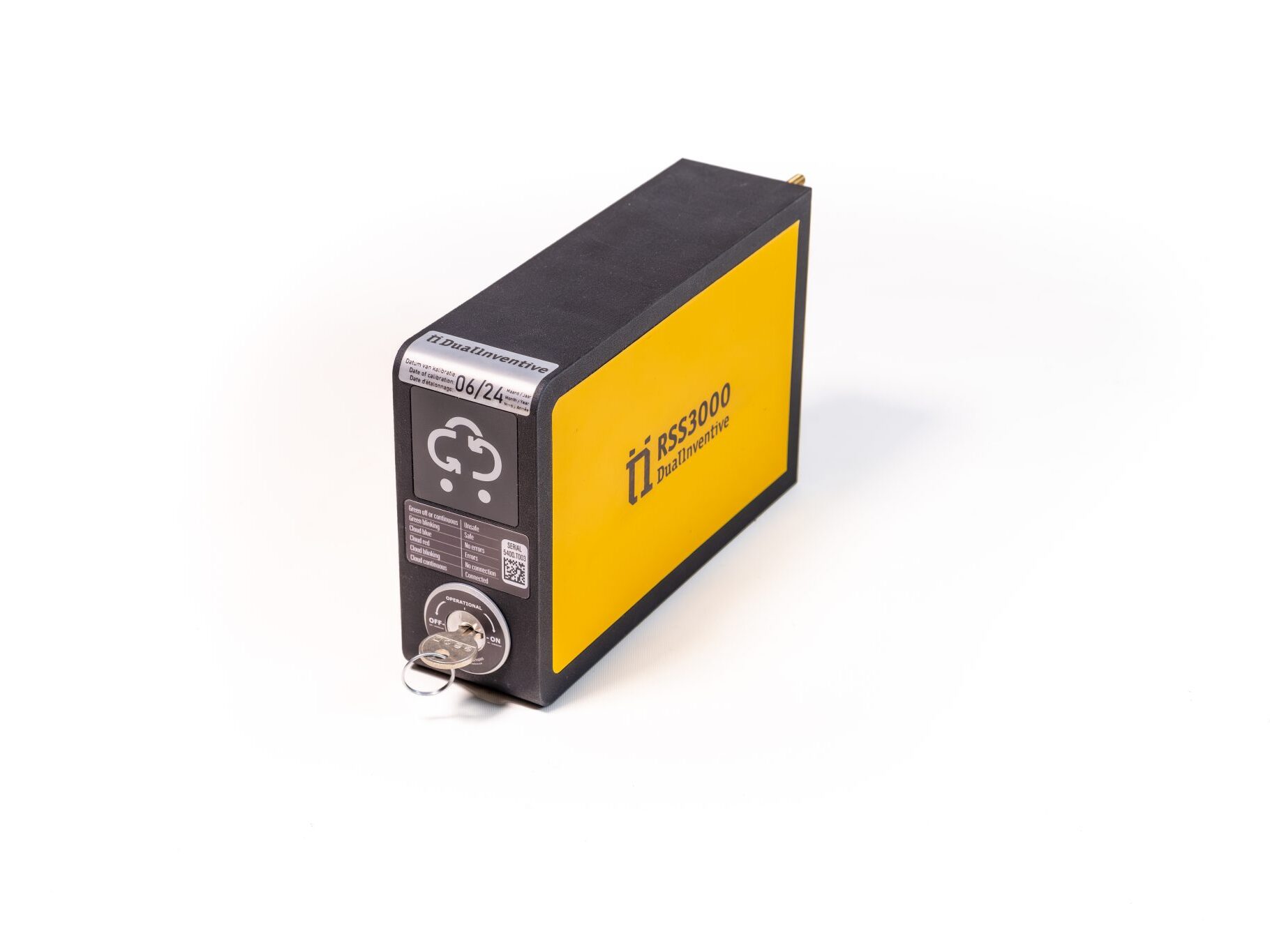
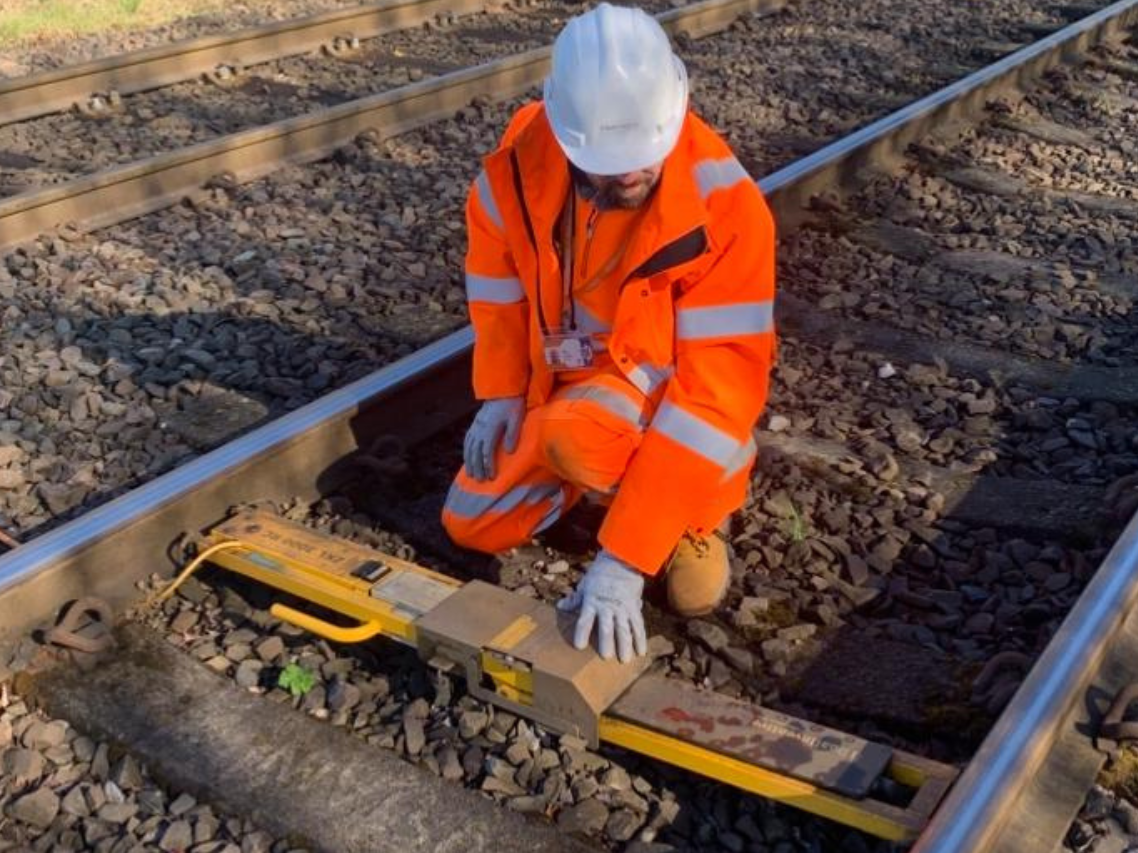
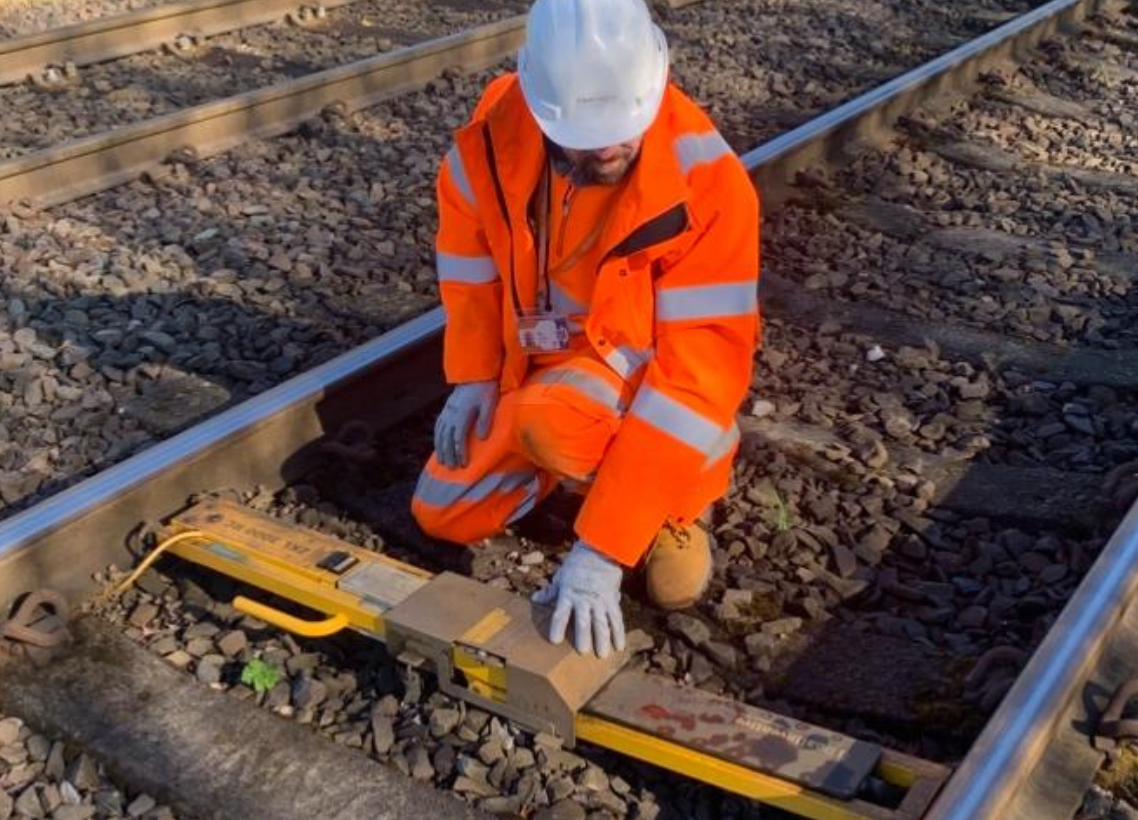
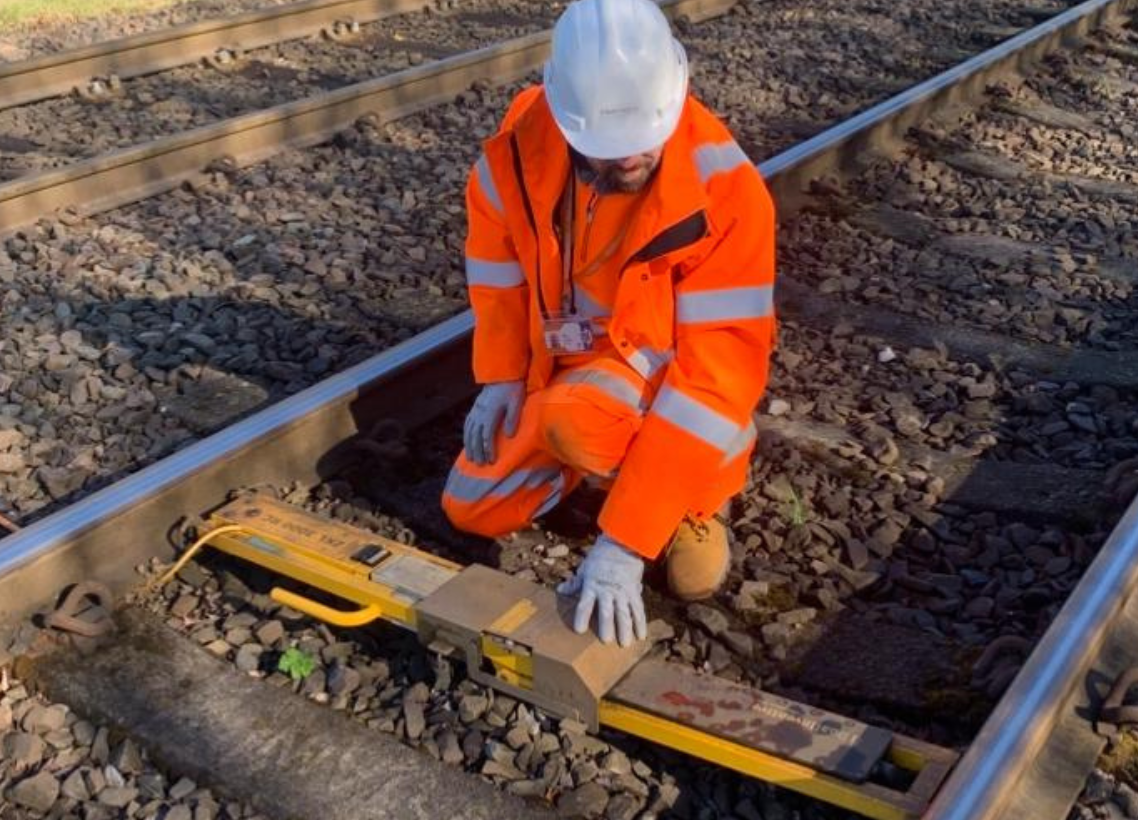
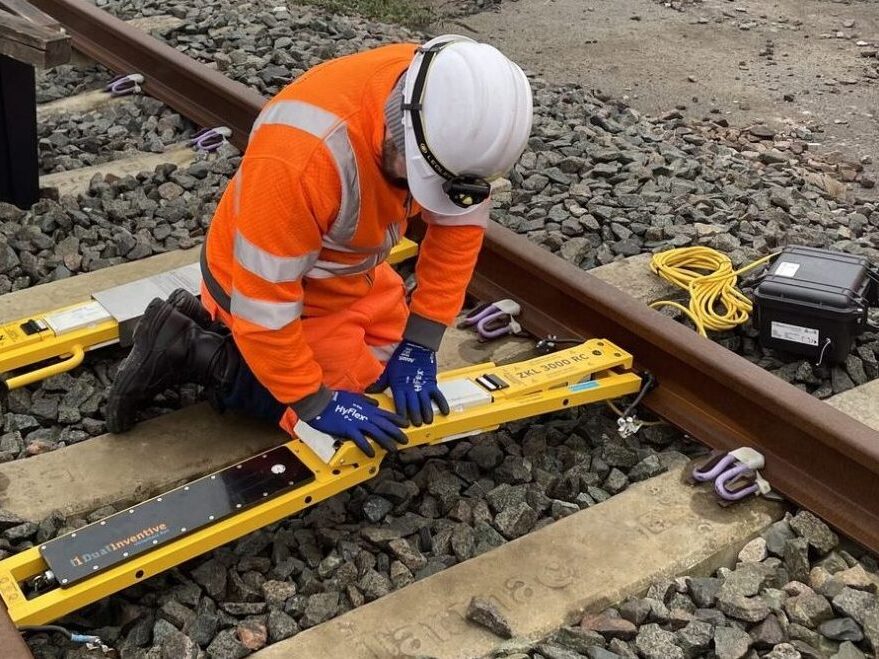
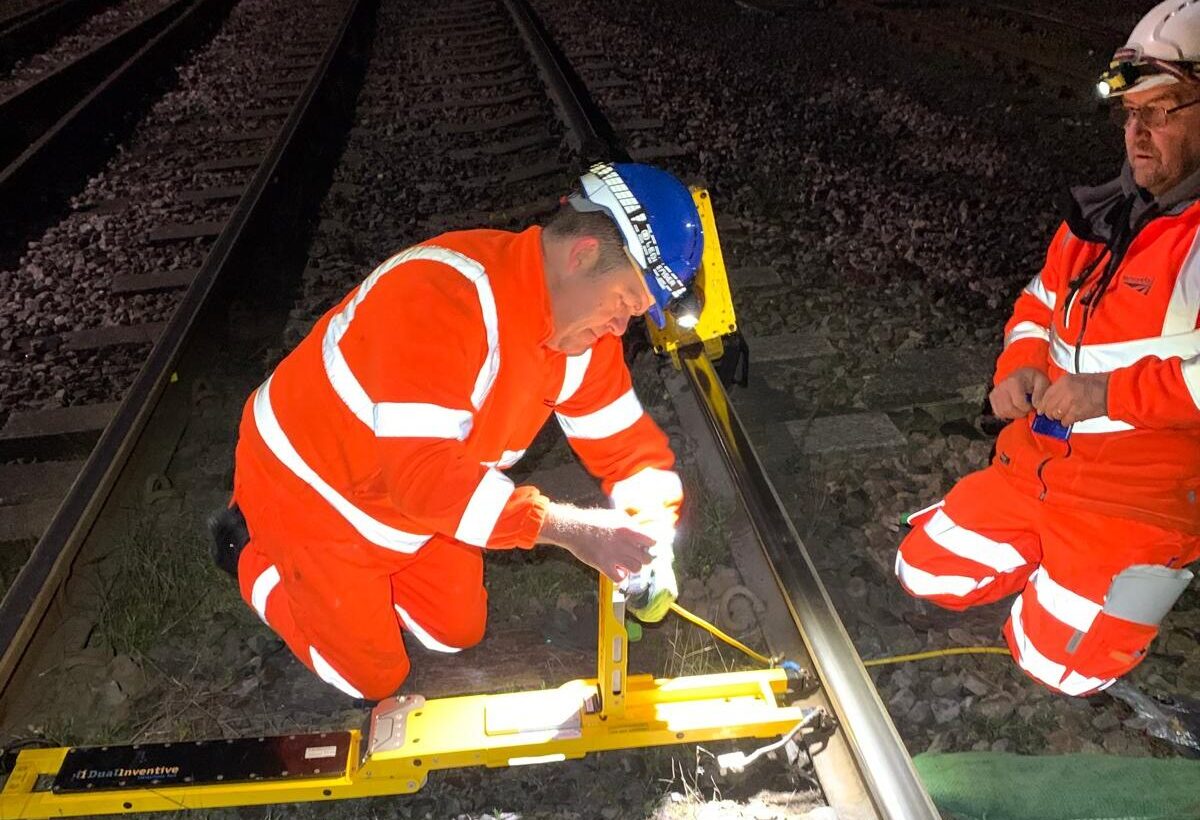
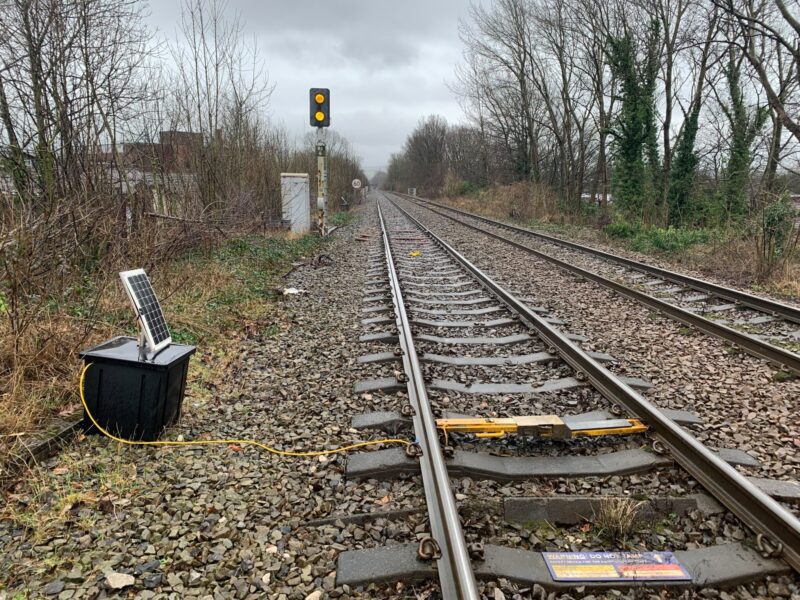
Recent technical developments within Rail Safety and Standards Board (RSSB) Rule Book have facilitated the wider adoption of methods like T3-A possessions (for portions of line signalled using track circuits). This represents a more streamlined approach to protecting complex engineering worksites using remote-control technology such as the remote-control track circuit operating device.
The benefits of transitioning to these modern protection methodologies are significant:
- Efficiency gains – Enabling faster implementation and removal of protection arrangements.
- Reducing potential safety incidents – Reducing the possibility of the protection being incorrectly placed in accordance with the details published in the weekly operating notices.
- Reducing carbon emissions – By reducing the number of vehicles to travel to the blocking points.
- Improving Safety – Removing track worker exposure.
- Increasing Productivity – Reducing set up and removal time, allowing teams to have more time on tools
Industry research suggests that modern protection methods can lead to substantial improvements in productive work time while simultaneously lowering overall risk exposure compared to the more traditional methods. This move signifies a commitment across the industry to safety through technology.
Increasing Operational Efficiencies
The single most valuable resource during an engineering possession is track access time. Historically, engineering possession set up, and removal arrangements consumed countless hours: staff had to travel to and from worksites, manually deploy equipment, and undergo lengthy verification procedures—all before the actual work could start.
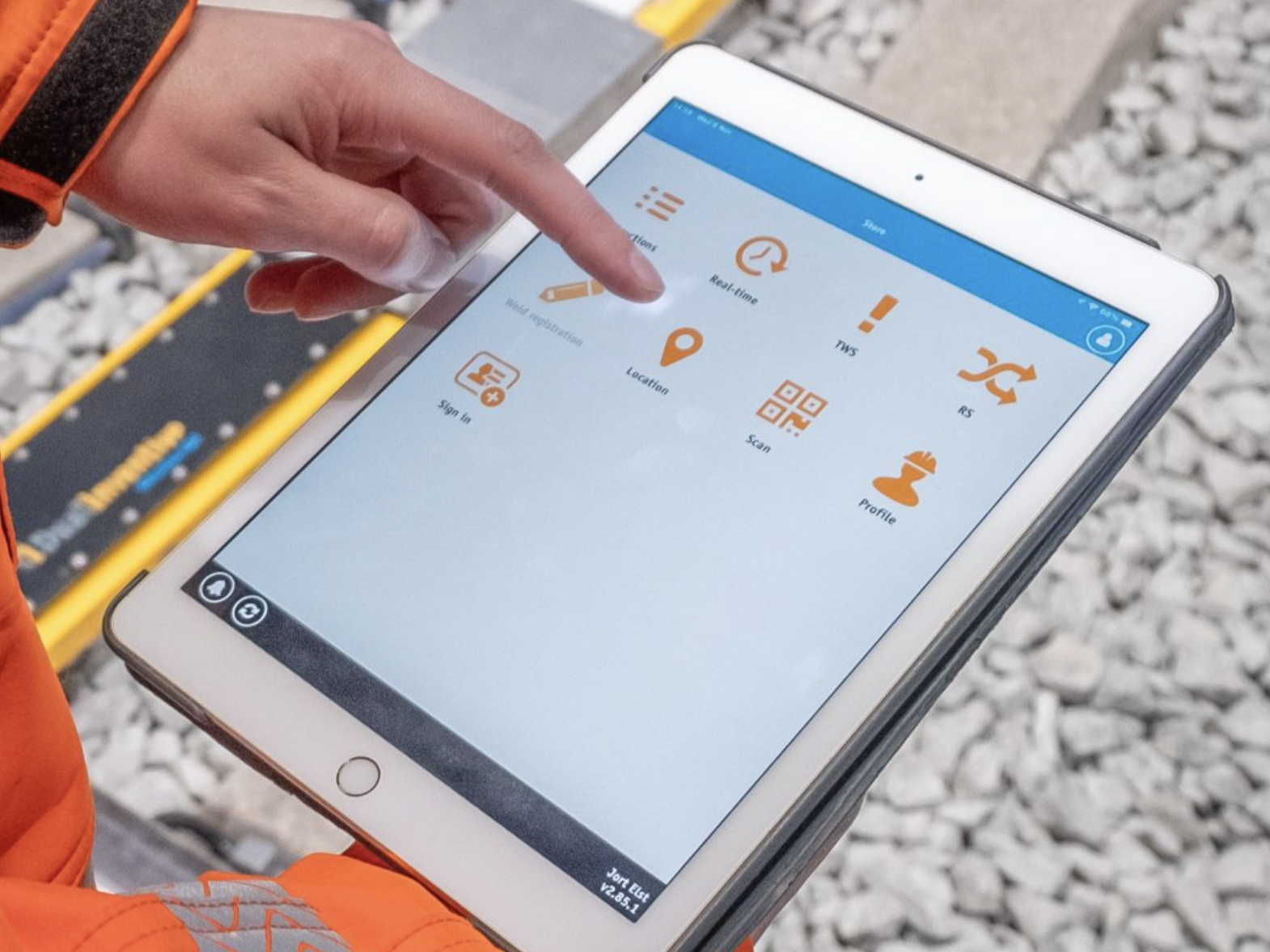
Modern remote-control technology fundamentally changes this equation. By managing worksite protection remotely, teams bypass these traditional bottlenecks, allowing them to start work sooner and complete work more efficiently. These cumulative time savings translate into profound, year-round productivity gains for all contractors and infrastructure teams.
Conclusion
The trajectory of the railway industry is clear: the need for a safer, more reliable, and more affordable network is non-negotiable.
While T3-A possessions mark a critical technological step forward, true success relies on operational synergy. By integrating new technologies with refined processes, teams can dramatically minimise time spent on both setting up and handing back protection and maximise productive time on tools.
The result is simple: more maintenance and renewal of the railway delivered, more safely, in less time and at lower cost.
This article was originally published by Dual Inventive.