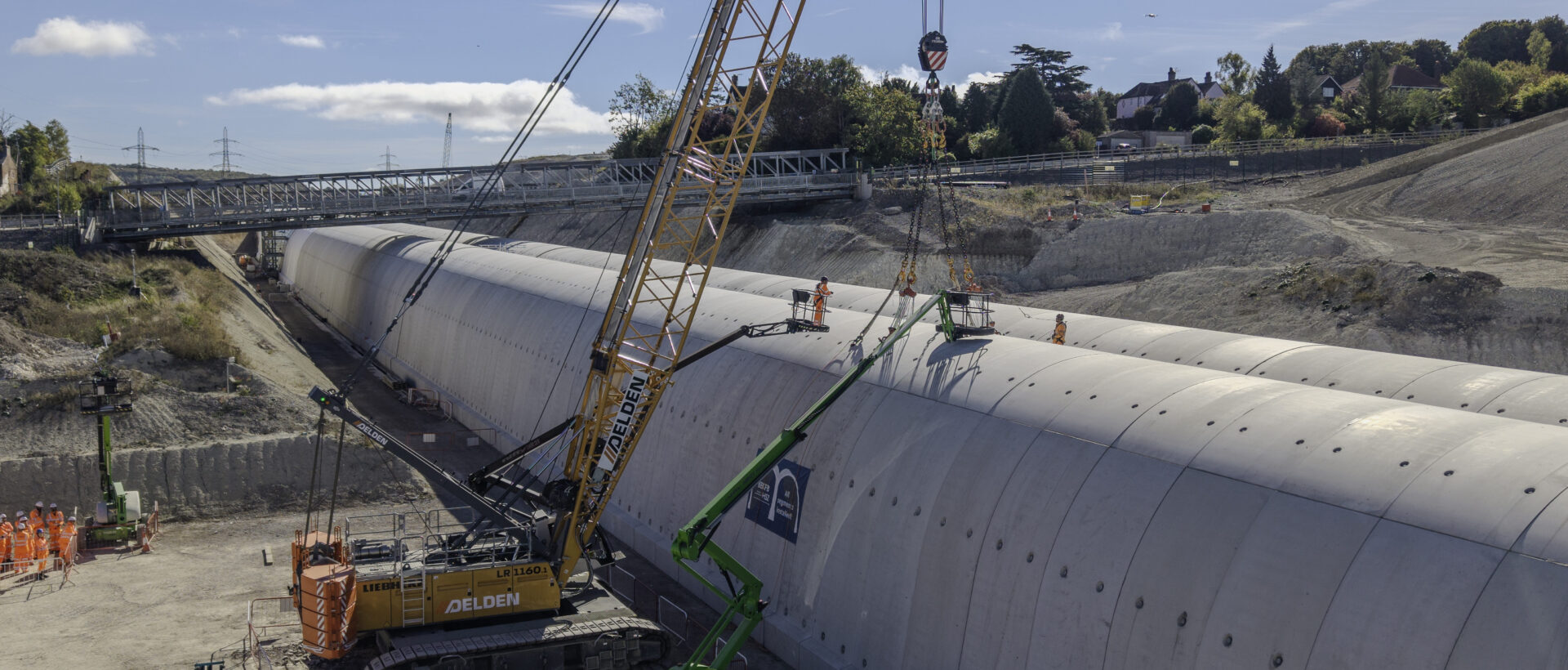
The Brenner Base Tunnel is now expected to enter service in 2034, a year later than previously planned. Its total cost forecast has also risen to 11.7 billion EUR.
The updated forecasts follow a review of the tunnel’s railway systems and safety requirements. Construction is now expected to be completed in 2033, with testing, trial operations and final authorisations scheduled for 2034.
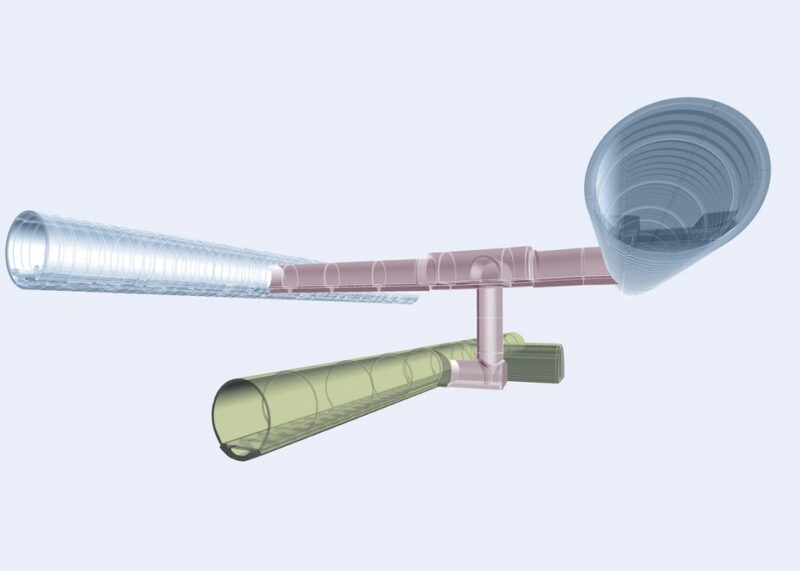
The revised timeline reflects changes to the project’s technical design and the decision to repurpose the exploratory tunnel as a service tunnel.
The revised plan will move many technical systems into the third tunnel, which runs beneath the two main railway tubes. The change is intended to protect equipment from dust and other disruptive elements while allowing maintenance crews to reach systems by vehicle without closing the main tunnels or interrupting train services.
Project developer BBT SE said the updated approach draws on operational experience from the Gotthard Base Tunnel in Switzerland, alongside changes to technical standards and safety regulations since the railway systems were originally planned in 2008.
The conversion will require additional tunnel structures and contribute to the higher overall project cost. Other factors include increased expenditure on railway equipment, updated technical and safety requirements, inflation and price rises.
The latest forecast also puts the tunnel’s total cost at approximately 11.7 billion EUR, up from 10.5 billion EUR. BBT SE attributed the increase to the additional infrastructure required for the service tunnel, the extended construction period and higher costs for railway systems.
Construction is due to finish in 2033, followed by testing and trial operations before regular services begin in 2034. The final phase will include the necessary authorisations to bring the railway system into operation in accordance with EU requirements.
The Brenner Base Tunnel is being built beneath the Alps to connect Austria and Italy. It forms part of the Scandinavian–Mediterranean corridor, a major freight and passenger transport route across Europe, and is intended to provide a high-capacity rail link through the region.