Plans for a set of four new railway stations across the Liverpool City Region are now moving forward as Mayor Steve Rotheram has announced intentions to move ahead with all required works.
Schemes propose new stations at Liverpool Baltic, Carr Mill in St Helens, Daresbury in Halton and Woodchurch on the Wirral.
The projects form a key part of the Mayor’s Merseyrail for All ambition, which seeks to extend the reach of the region’s rail network and connect more communities to jobs and education.
All the latest progress on the four projects will be considered by the Liverpool City Region Combined Authority on Friday 6 November, as well as plans for further investment in existing stations across the city region.
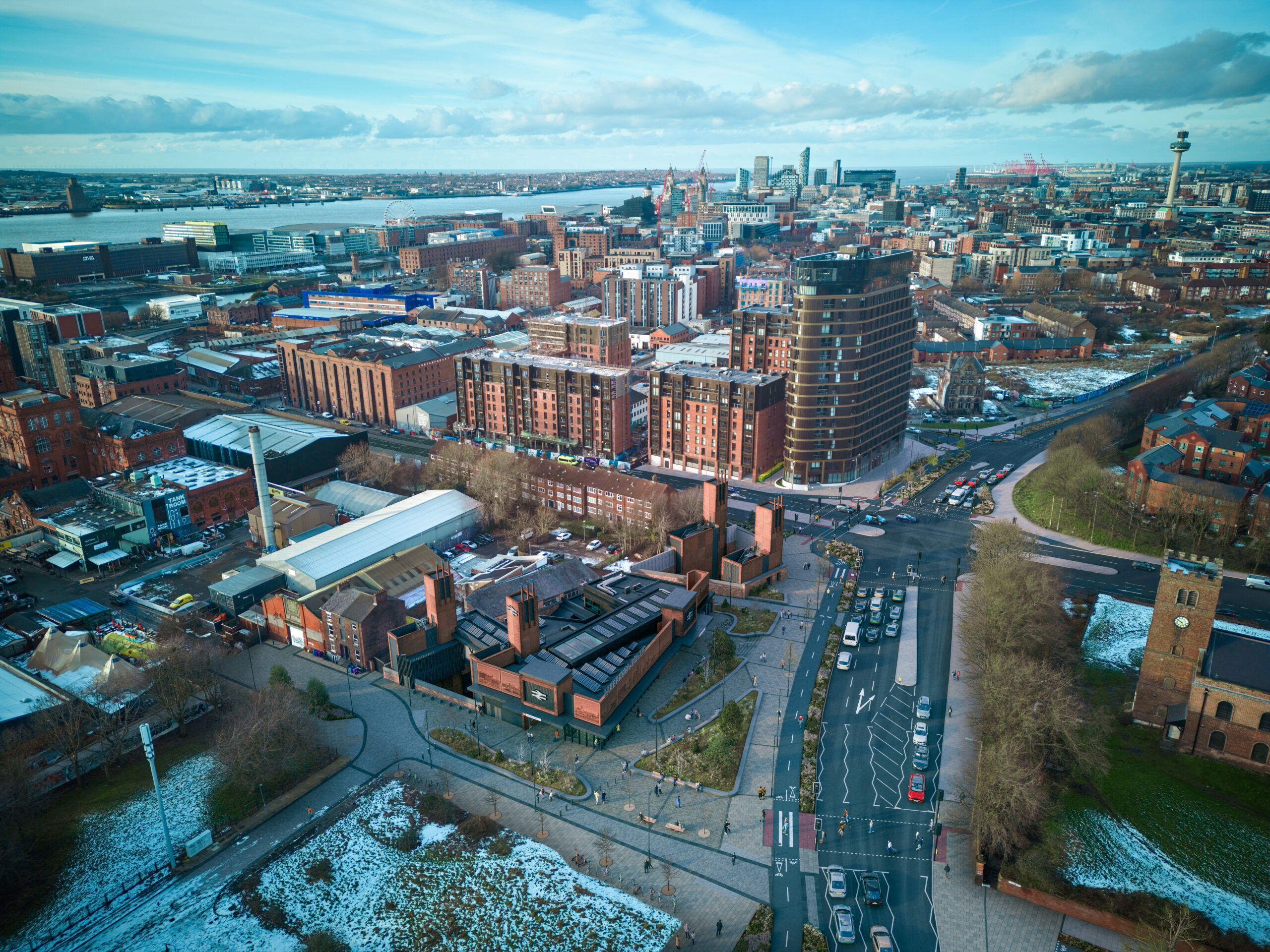
The most advanced of the four projects, Liverpool Baltic station, is anticipated to be the first to move forward following an approval of the Combined Authority’s Full Business Case, paving the way for construction to begin. Once operational, the station would connect the city region’s growing Baltic Triangle neighbourhood directly to the Merseyrail network, and construction is expected to begin in 2027.
Meanwhile, work has now begun to progress the other three proposed stations, which will build on the opening of new stations at both Headbolt Lane and Maghull North, as well as the introduction of a 500 million GBP fleet of publicly owned Merseyrail trains.
In Halton, work has now begun to explore plans for a new station at Daresbury, with feasibility studies and an initial business case commissioned and findings expected in early 2027. At Carr Mill in St Helens, initial plans and designs are now complete, with further development work planned alongside Network Rail, Northern and St Helens Council. The proposed station is expected to improve rail connections for local communities, making it easier for residents to reach jobs and education.
Finally, on the Wirral, plans for a new station at Woodchurch are also progressing, with early development work underway and findings also expected in early 2027.
Steve Rotheram, Mayor of the Liverpool City Region, said:When I became Mayor, it had been nearly 20 years since the last new Merseyrail station opened. Since then, we've opened two more – and now we're making progress on another four.
I've always believed that where you live shouldn't determine the opportunities available to you in life. But if you can't get to a decent job, college or university because there's no convenient rail connection, you're already starting at a disadvantage. I don't think that's right.
That's the thinking behind Merseyrail for All. I want to bring the benefits of our fantastic Merseyrail network to more people and places, including communities that have been cut off from those opportunities for too long. And it's why I made a manifesto commitment to begin work on four new stations by 2030.
We've already invested more than £500m in new publicly owned trains, and in 2028 we're taking Merseyrail itself into public ownership. Alongside bringing our buses back under local control, it's all part of building a transport network that works for passengers, not the other way around.
These new stations represent so much more than dots on a map. They're new connections to jobs, investment and opportunities for communities right across our region. And if we're serious about delivering good growth in every postcode, we've got to make sure nobody gets left behind because of where they live.
In addition to the construction of the four new stations, the Combined Authority has also committed to investing in improvements to the existing rail network. These include
- Step-free access at Aigburth and Rock Ferry, with further schemes set to be developed at Port Sunlight and Walton
- A modern ticket office, improved waiting facilities, retail space and passenger toilets at Runcorn station
- A 26 million GBP to improve signs, directions and real-time travel information provisions at Moorfields
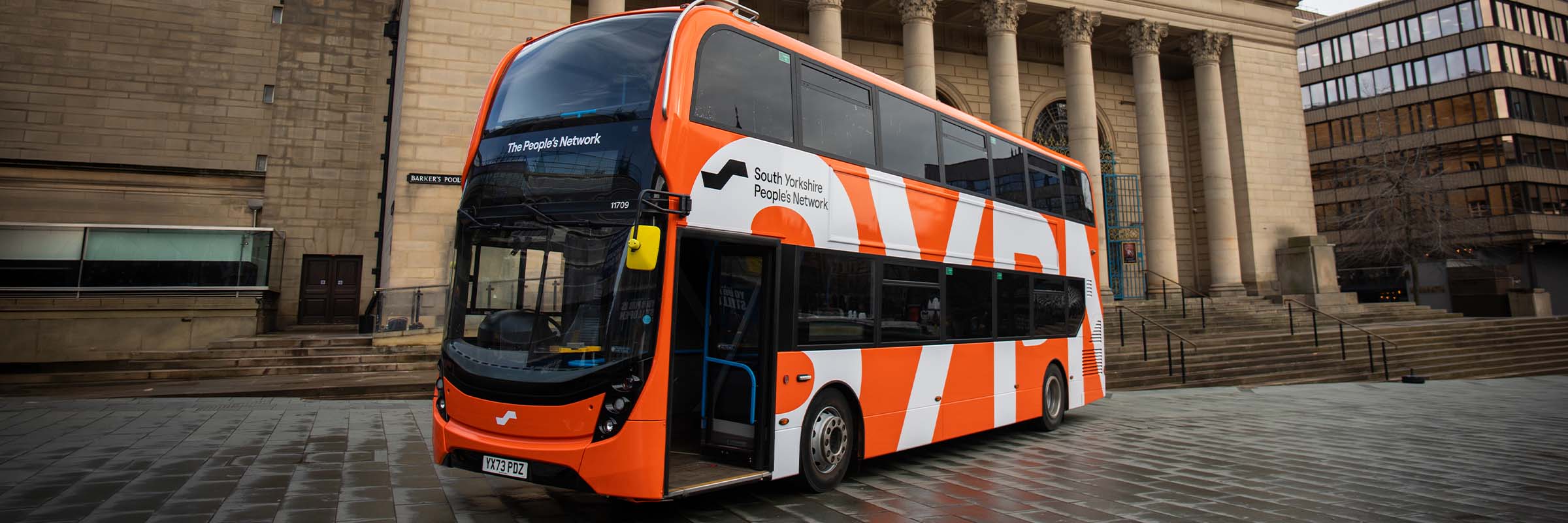
This slew of investment projects comes as the Combined Authority prepares to bring Merseyrail services into public ownership in 2028, once the current operating contract comes to an end. This move is expected to give the city region greater control over how its trains are run, helping to join up rail services with the publicly controlled bus network, ferries and future rapid transit connections.