
Train Body Components Categories
-
Accessibility Equipment
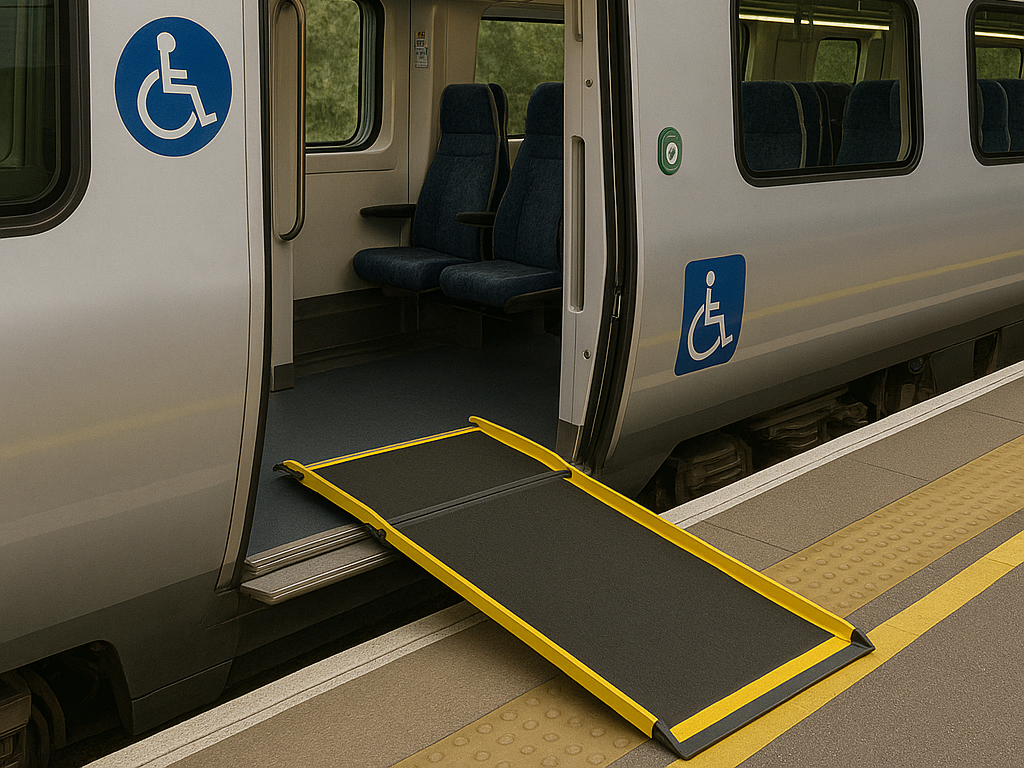
Accessibility equipment on trains includes ramps, lifts, boarding aids and interior fittings that support passengers with reduced mobility. These components help ensure compliance with accessibility standards and improve the travel experience for all passengers.
-
Buffers · Couplers · Drawgear
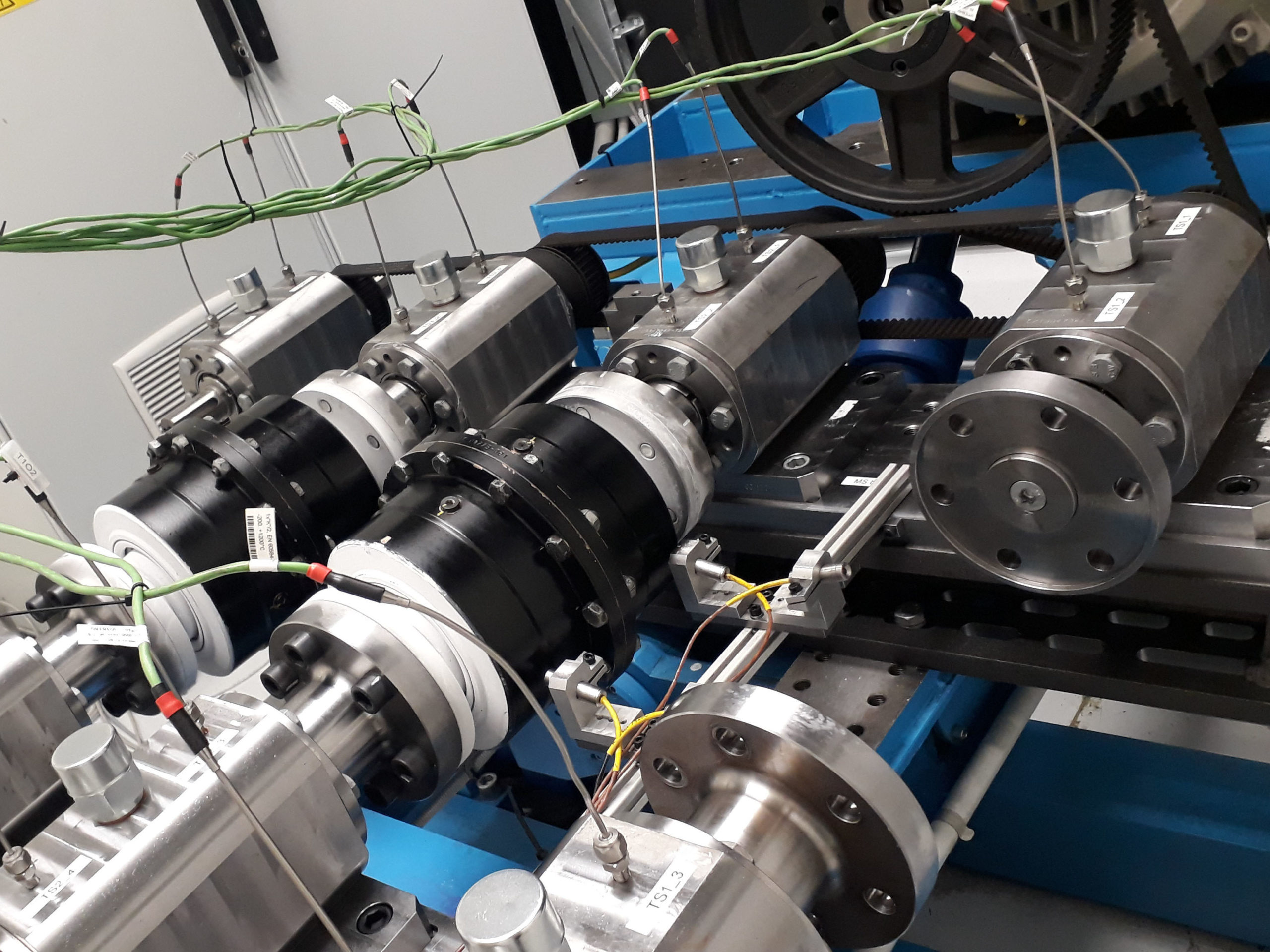
Buffers, couplers and drawgear are key components of a train’s connection and energy absorption systems. They enable the safe and efficient coupling of rolling stock and absorb forces during movement or impacts. This section covers suppliers of buffers, automatic and semi-automatic couplers, and associated drawgear used across various rail applications.
-

Freight Train Loading · Discharge Components
Loading and discharge components are essential for the efficient handling of freight, allowing cargo to be loaded onto and unloaded from wagons safely and quickly. This includes hatches, valves, discharge gates, rotary couplings and related mechanisms tailored to different types of bulk or containerised goods. This section covers suppliers offering these components for freight rail applications.
-
Freight Train Underframes
Underframes form the structural base of a freight wagon, supporting the body and absorbing loads during transport. They must be designed for strength, durability and compatibility with different wagon types and cargo weights. This section includes suppliers that manufacture and supply underframes for freight rolling stock.
-
Freight Wagon Bodies
Freight wagon bodies are the main structural enclosures used to carry goods by rail. Their design varies depending on cargo type, including open, covered, tank or container wagons. This section covers suppliers that manufacture or supply freight wagon bodies and related components.
-
Gangways
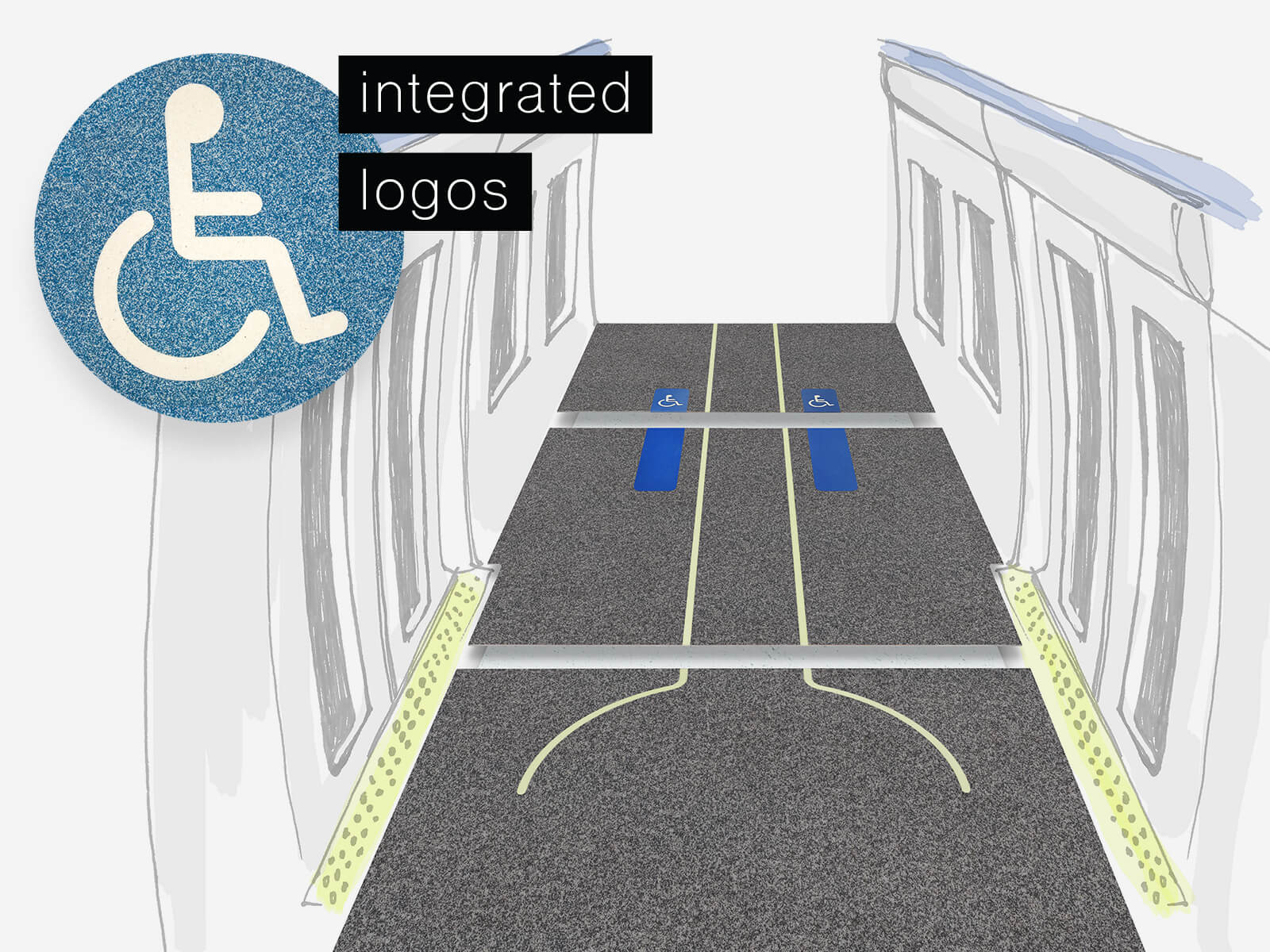
Gangways are flexible, enclosed connections between train cars, allowing passengers to move safely between carriages while the train is in motion. They improve accessibility and passenger flow, especially on long-distance and multiple-unit trains.
-
General Wagon Components
General wagon components include the structural and functional elements common to most freight wagons, such as side walls, hatches, underframe fittings and securing systems. These parts support the safe, efficient transport of goods and contribute to the wagon’s overall durability and performance.
-
Latching Systems · Handles · Hinges
Access hardware such as latching systems, handles and hinges is essential across multiple rail applications, including roof hatches, toolboxes, HVAC units, cabinets and central locking systems. This category also includes accessories like inspection windows and specialist keys used to operate or secure these components.
-
Minor Components
Minor components include the small but essential parts used in the manufacture and assembly of rolling stock, such as screws, bolts, washers, rivets and other fasteners. These items contribute to structural integrity, safety and ease of maintenance across a wide range of train systems and subsystems.
-
Rolling Stock Materials
Rolling stock materials include a wide range of products used in the construction, protection and finish of rail vehicles. This includes laminates for interior surfaces, exterior coatings, sealants for joints and glazing, as well as plastic sheeting and specialist paints. These materials must meet stringent safety, durability and fire-resistance standards to comply with rail sector requirements.
-
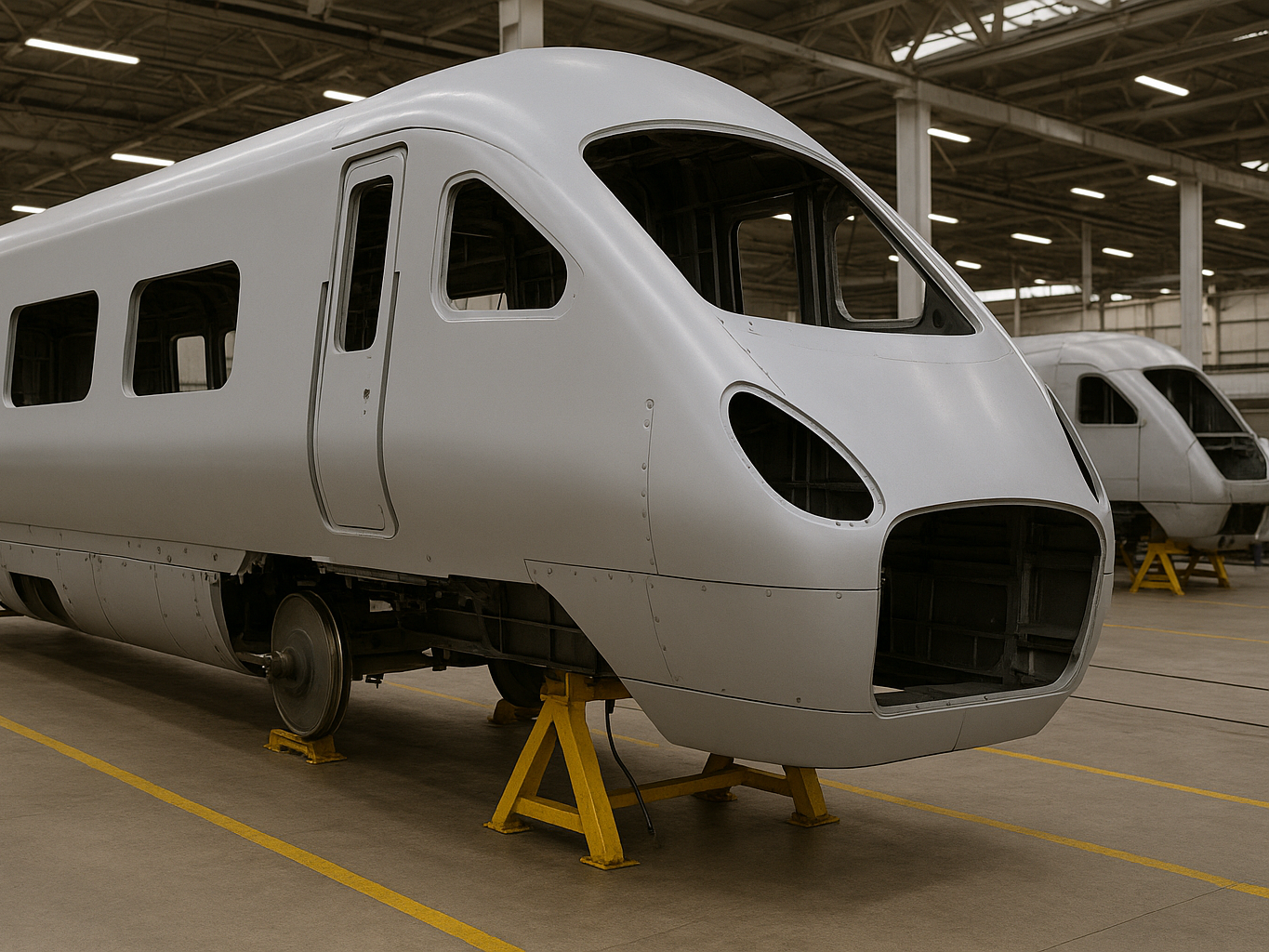
Train Body Shells · Structural Parts
Train body shells and structural parts form the main outer and load-bearing elements of a train. These include the framework, sidewalls, roof sections and underframes, typically manufactured from lightweight yet strong materials such as aluminium or stainless steel. Designed for safety, durability and aerodynamic performance, these components are essential to the structural integrity and energy efficiency of passenger and freight rolling stock.
-
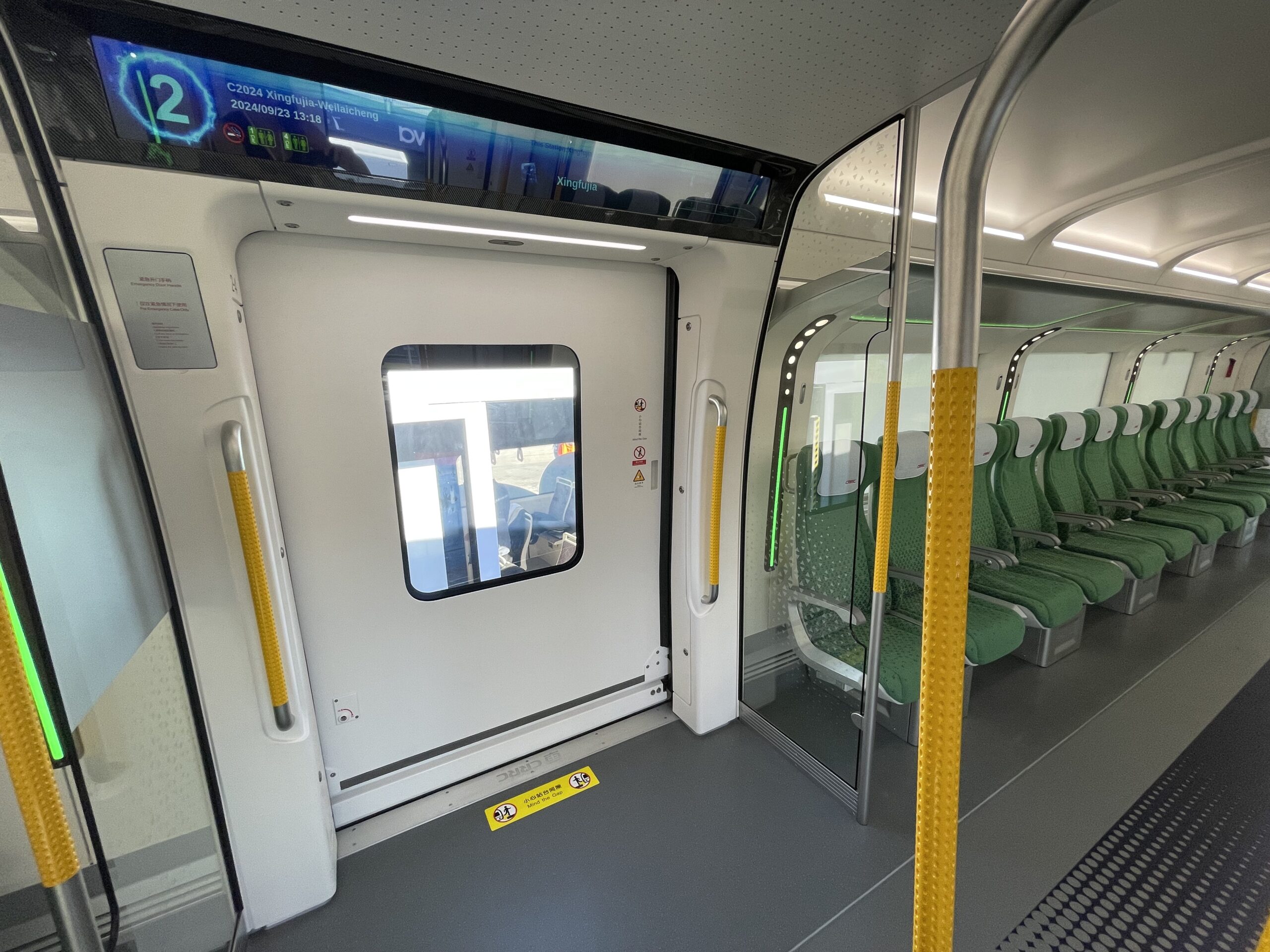
Train Doors
Train doors provide safe and efficient access to and from passenger trains. They include external sliding, plug or folding doors, as well as internal compartment or gangway doors. Modern train door systems incorporate features such as obstacle detection, automatic operation and thermal insulation to improve safety, passenger flow and energy efficiency. These systems are essential for both high-speed and commuter rail applications.
-
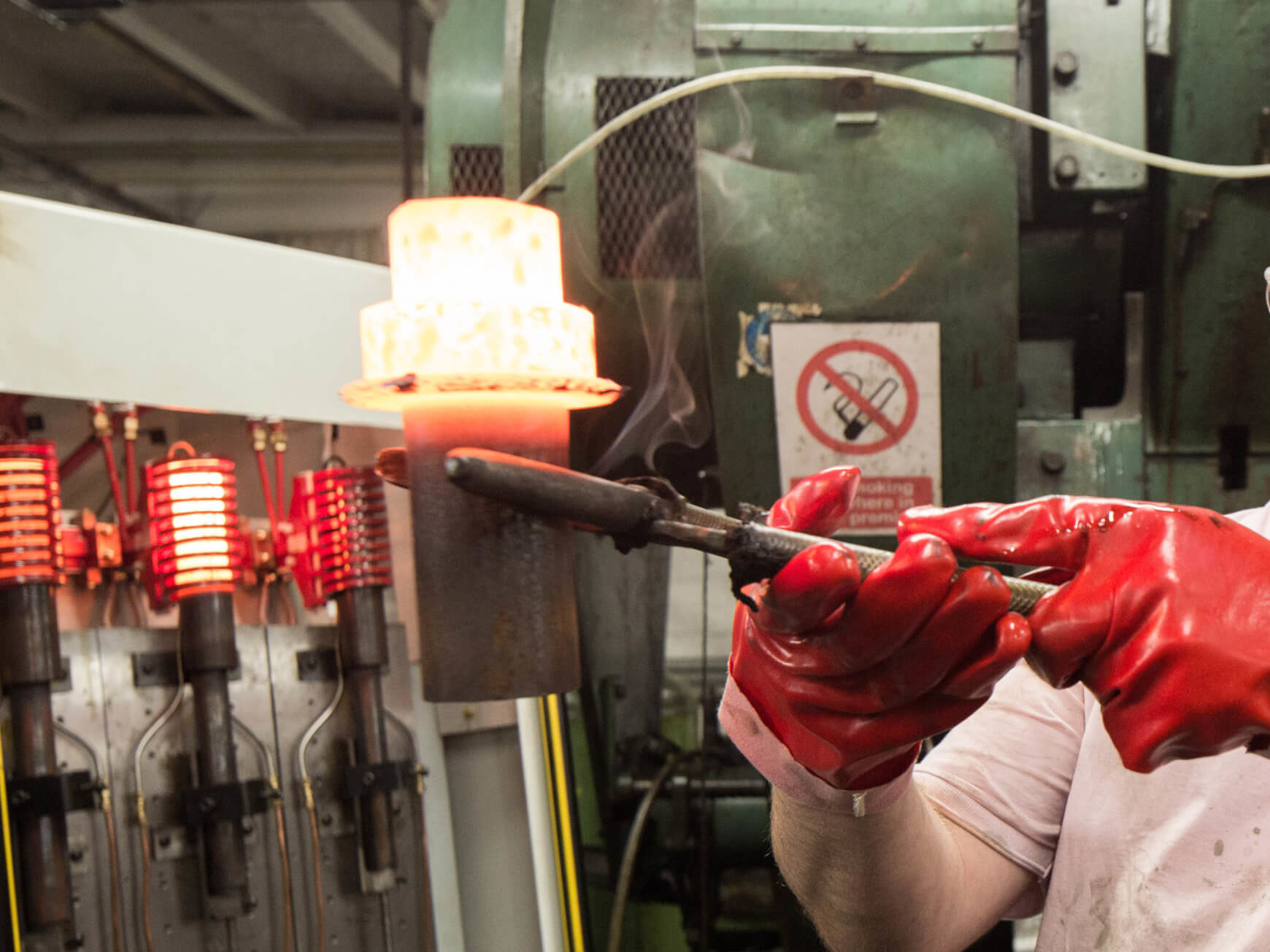
Train Part Forgings · Castings
Forgings and castings are key manufacturing processes used to create durable and high-strength components for rolling stock. These include structural parts such as bogie frames, couplers, brake components and axle boxes. Forging involves shaping metal using compressive force, while casting involves pouring molten metal into a mould. Both techniques are chosen based on performance requirements, tolerances and production volumes.
-
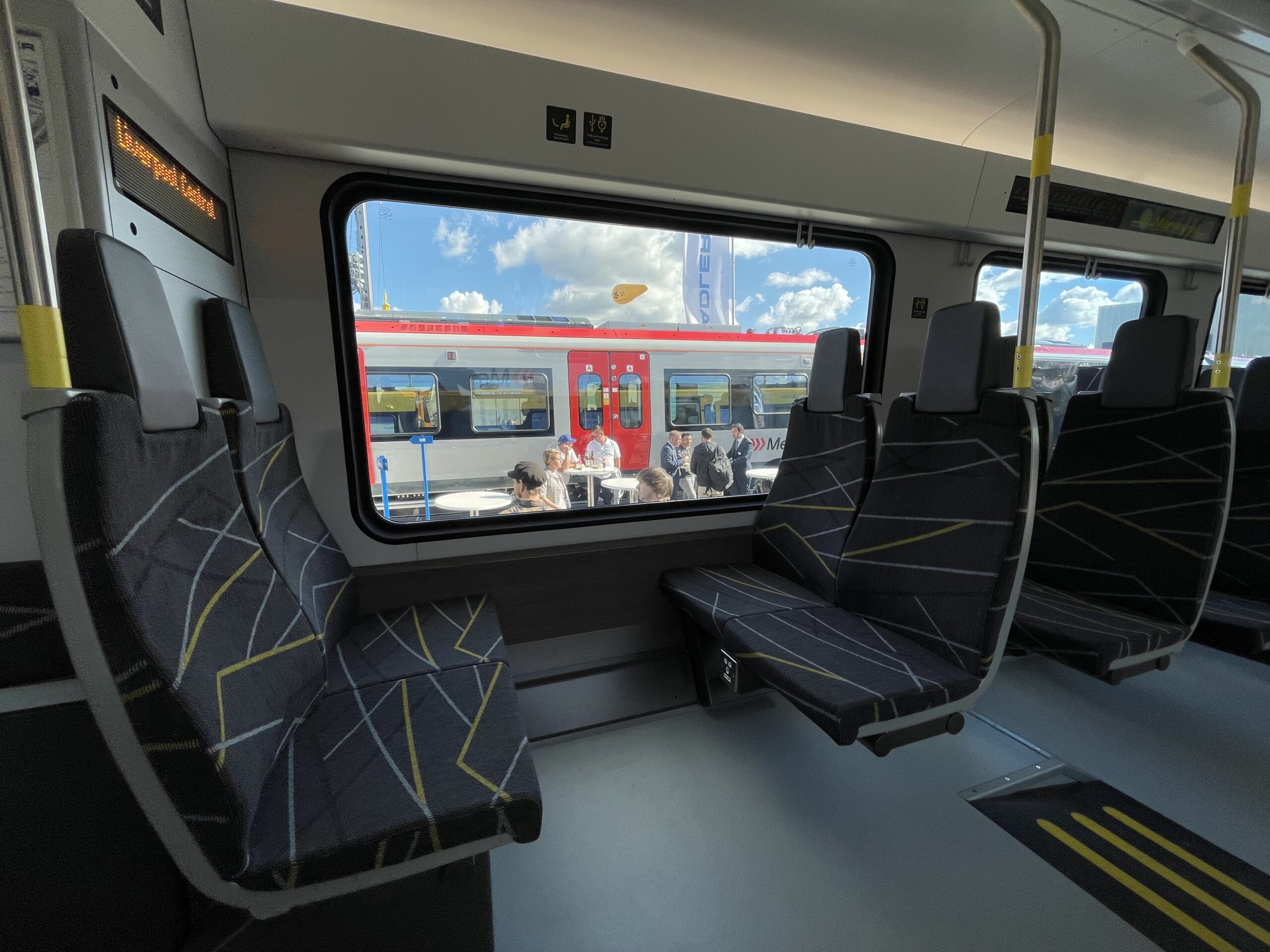
Train Windows
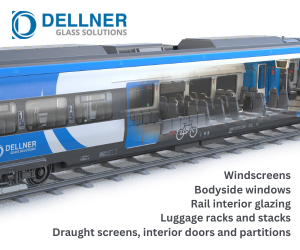
Train windows provide visibility, safety and thermal insulation for passengers. They are typically manufactured using toughened or laminated glass and often incorporate features such as tinting, double glazing or integrated blinds. Windows must meet strict safety and durability standards due to vibration, pressure changes and potential impact during service. This section includes fixed and opening windows, sealed units and specialist glazing for passenger and driver cabins.
Train Body Components Videos
-


INPS Group
INPS Group - Everywhere You Look. Through the INPS Group of Companies our mission is to be your single source solution provider.
-
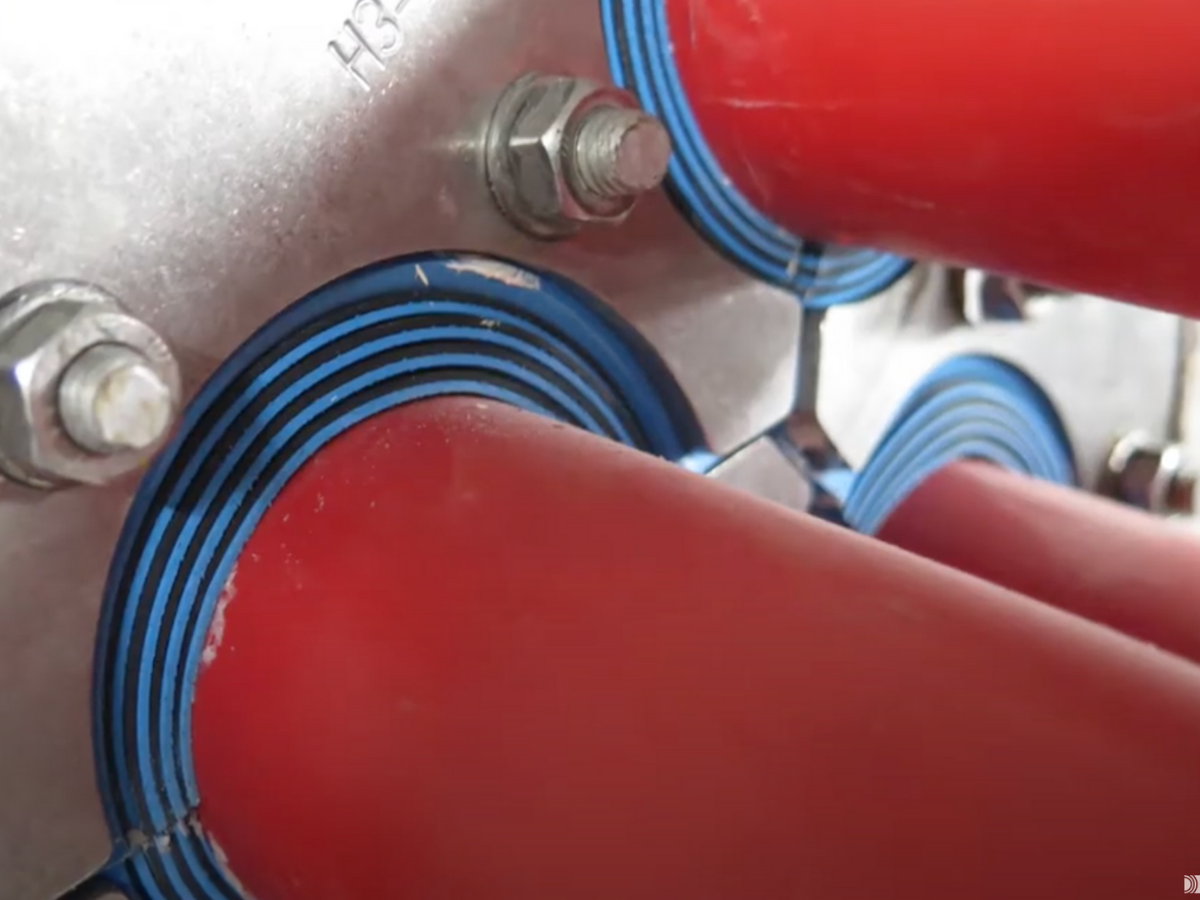
Roxtec Sealing Solutions in Rail Infrastructure
Roxtec seals for cables and pipes are used all over Belgium to protect substations, railway stations, tunnels and cabinets from hazards.
-
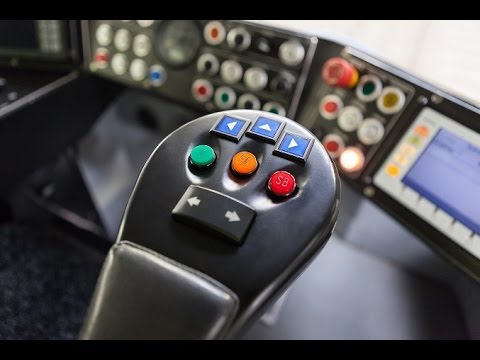
Siemens Restores Train Parts with Stratasys FDM 3D Printing
Producing one-off customized parts quickly and cost-effectively is now possible with Stratasys FDM 3D Printing. In this fascinating video...
-
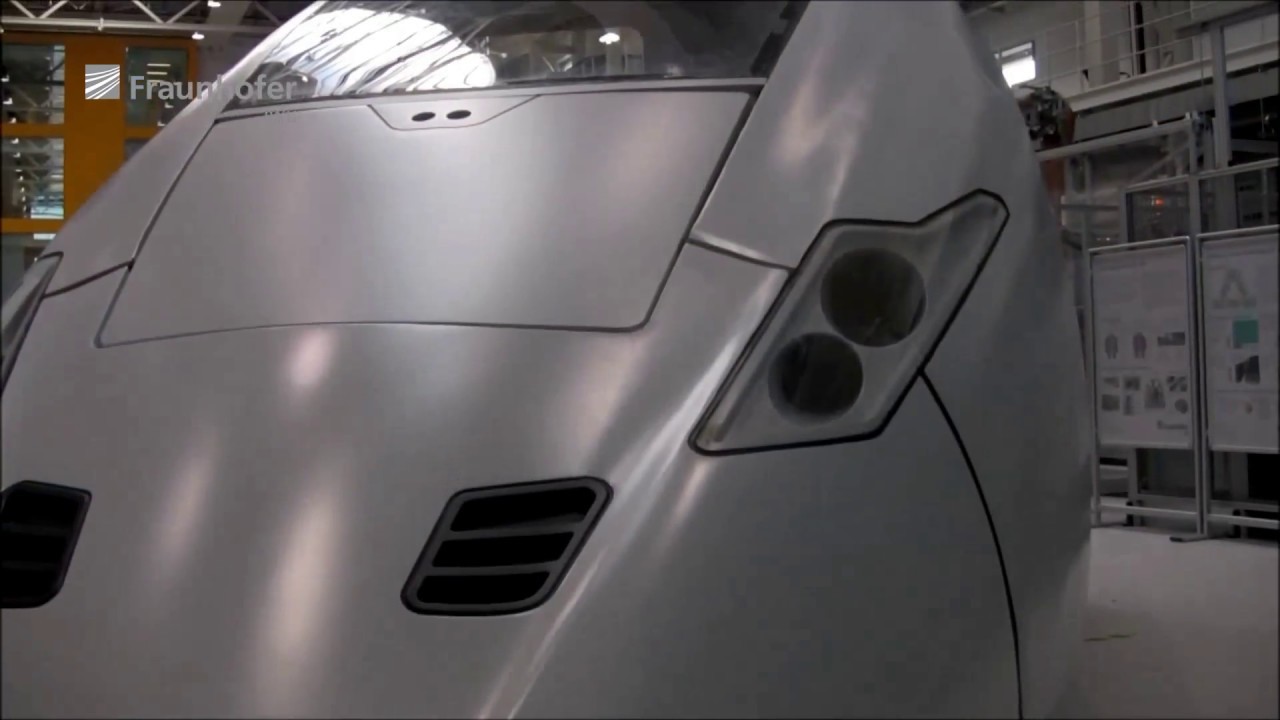
Fraunhofer IWU Metal Foam Head
Researchers from the Department of Lightweight Design at Fraunhofer Institute for Machine Tools and Forming Technology IWU developed a new m…