Transport for London (TfL) has confirmed a series of planned closures on parts of the Piccadilly line as work continues on the introduction of a new fleet of Underground trains.
The closures, which will mainly take place at weekends and during school holiday periods, will allow engineers to carry out infrastructure upgrades and continue testing of the new trains ahead of their phased introduction between December 2026 and June 2027.
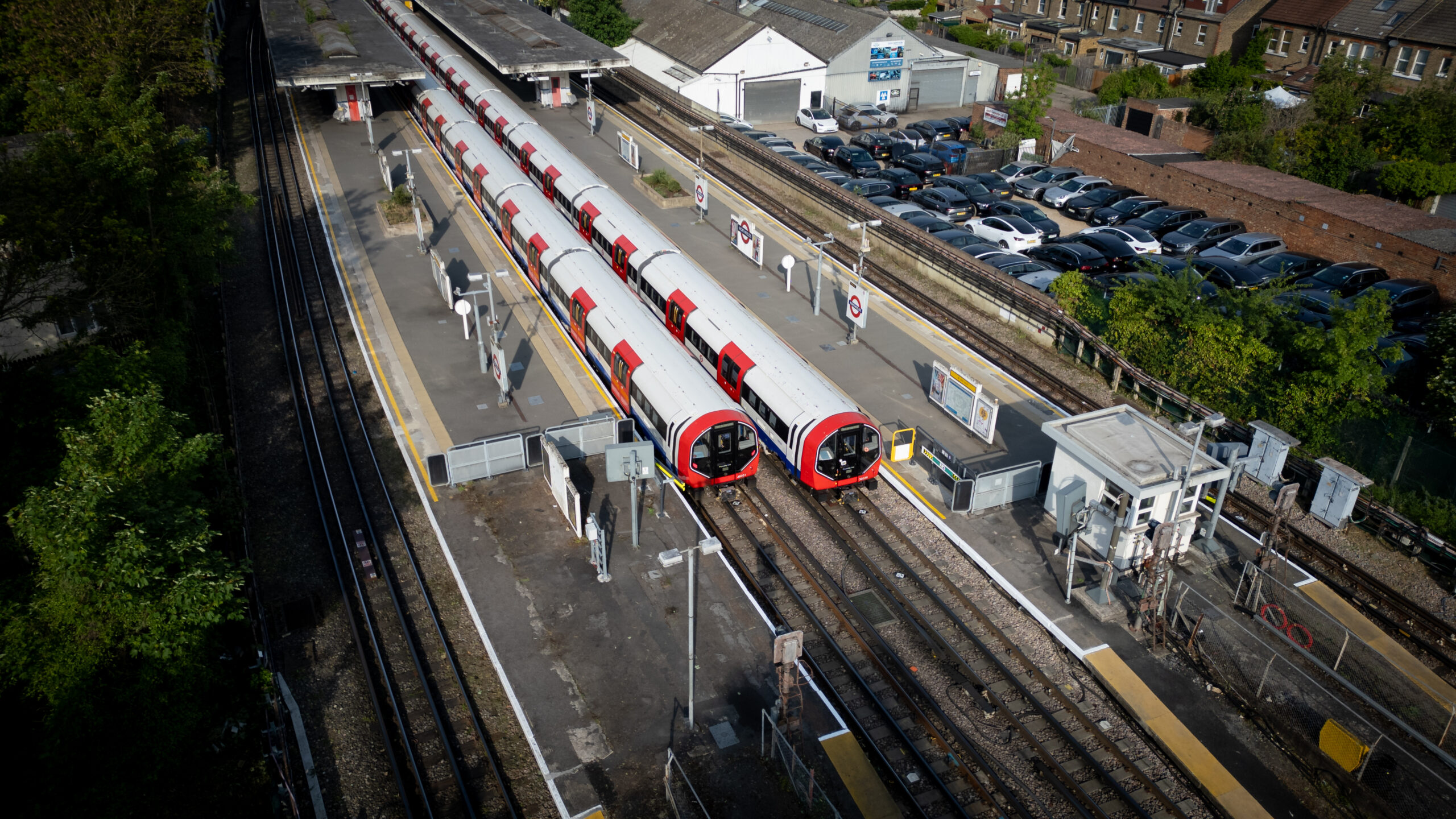
The new trains will replace the existing Piccadilly line fleet, which has been operating since 1975. The trains will provide increased capacity, improved reliability, enhanced accessibility features, air-conditioning and upgraded passenger information systems.
The work forms part of a 3.4 billion GBP programme to modernise the Piccadilly line. Extensive testing and upgrades are required, as much of the line’s infrastructure is more than 100 years old and interfaces with other parts of the Underground network.
Infrastructure works being carried out during the closures include modifications to the signalling system to ensure compatibility with the new trains. This includes repositioning line-side signals and installing additional signal indicators so they remain visible from the longer trains.
TfL is also increasing power capacity at substations and upgrading trackside cabling to support the new fleet. Other works include the installation of platform end barriers and a new digital platform CCTV system designed to provide higher quality images of the platform-train interface to drivers.
Depot maintenance and stabling facilities across the line are also being upgraded ahead of the trains entering service.
Testing is currently focused on how the trains interact with existing railway systems and infrastructure, with engineers assessing both hardware and software performance. Additional time has been built into the programme to address any issues identified during testing and to repeat tests where necessary.
The testing programme is expected to increase over the summer, when TfL plans to operate trains alongside infrastructure configured to represent a passenger-service environment.
Testing already completed includes weight-load assessments using a fully loaded train weighing 68 tonnes, with more than 400 kilometres of running carried out on the network. Platform works have also been completed at 119 Piccadilly line stations to accommodate the longer trains and revised door layouts.
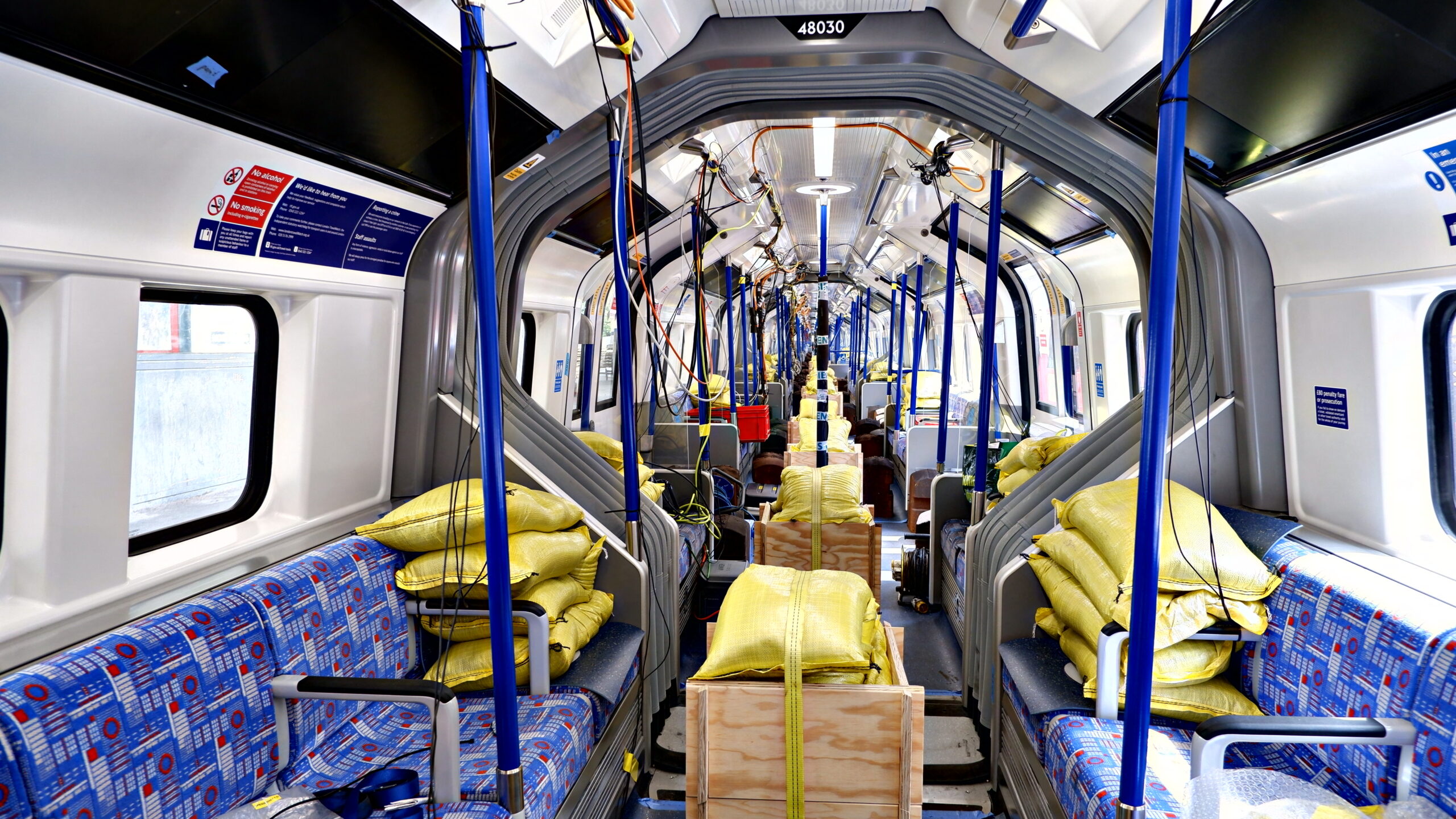
The new trains will feature walk-through carriages, wider double doorways, real-time digital information displays and on-board CCTV. The articulated design will also allow air-conditioning to be introduced on the Deep Tube network for the first time.
Each new train will provide around 10 percent more capacity while using approximately 20 percent less energy than the current fleet. The larger fleet is also expected to allow services to increase from 24 to 27 trains per hour, with overall peak capacity in central London projected to rise by 23 percent.
Among the planned closures are:
- Acton Town to Heathrow, and Rayners Lane to Uxbridge, from Thursday 28 May to Sunday 31 May
- Cockfosters to Uxbridge on Thursday 30 July, Friday 31 July and Monday 3 August
- Cockfosters to Heathrow on Saturday 1 August and Sunday 2 August
- Two sets of midweek closures between Cockfosters and Uxbridge from 18 to 20 August and from 25 to 27 August
The Metropolitan line will continue operating between Rayners Lane and Uxbridge during the closures.
TfL has advised customers to check travel information before travelling and allow additional time for journeys during closure periods.
Stuart Harvey, TfL's Chief Capital Officer, said:I'd like to thank our customers for their patience while we carry out these essential upgrades to the Piccadilly line and rigorously test the new trains which will transform journeys for many decades to come. Introducing a new fleet of trains is a huge engineering and logistical feat which inevitably requires upgrades and intensive testing. Although much of the hard work goes on behind the scenes, there are times when we need to close sections of the railway to ensure that these pioneering new trains can operate effectively and interact correctly with a wide range of complex infrastructure. We are very confident that once this intensive period of upgrades and testing is completed, and the new trains start to enter service, our customers will reap the benefits of moving around the capital on these game-changing new trains.
Four of the new trains are currently being tested on the Underground network during engineering hours and weekend closures. TfL said passengers are expected to begin seeing the trains operating during normal service hours later this year.
Separately, London Transport Museum is marking 120 years of the Piccadilly line with a programme of events focusing on the line’s history, design and cultural significance.