The Office of Rail and Road (ORR) has published its Business Plan for 2026-27, setting out its key responsibilities over the course of the next year.
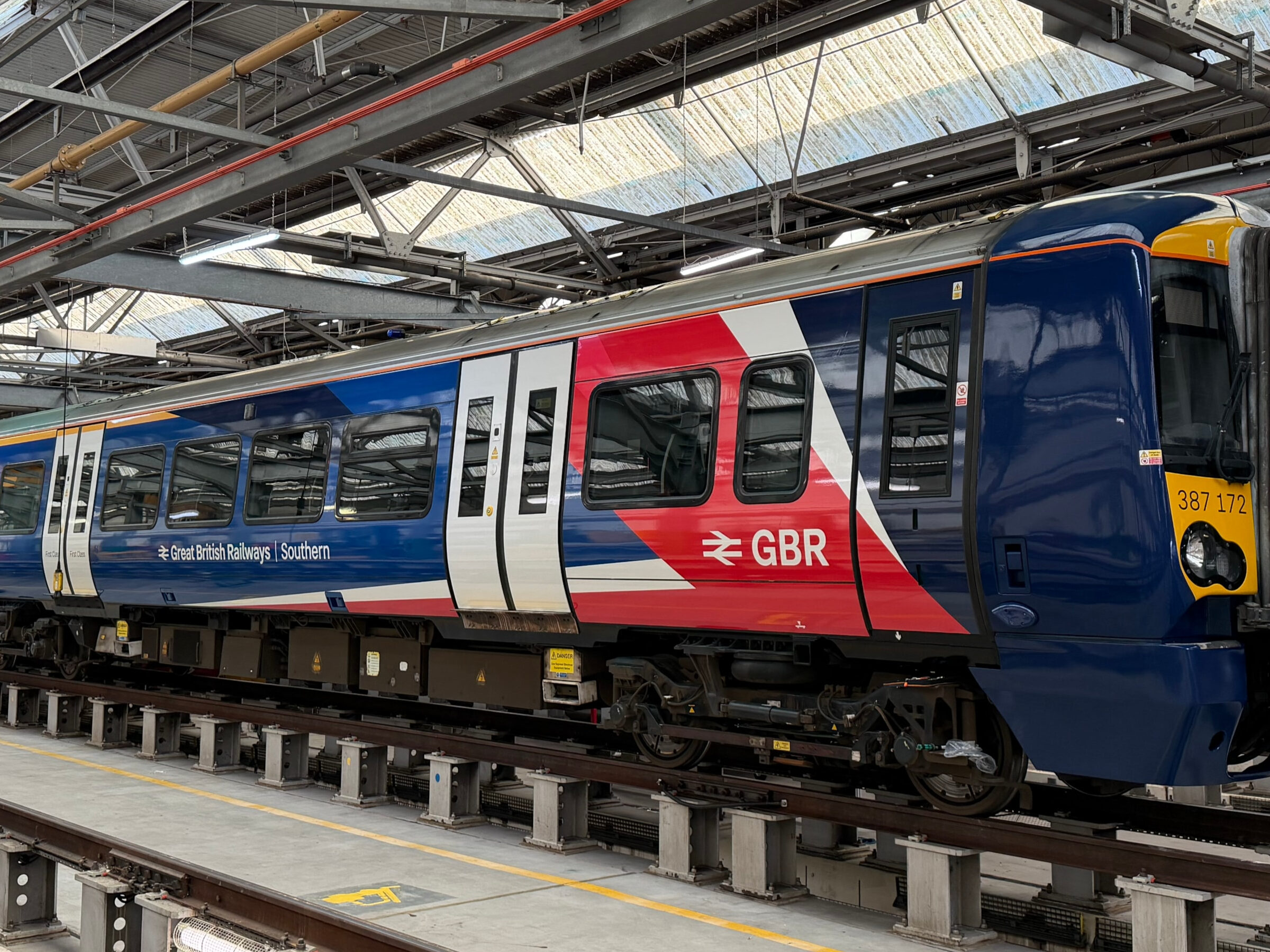
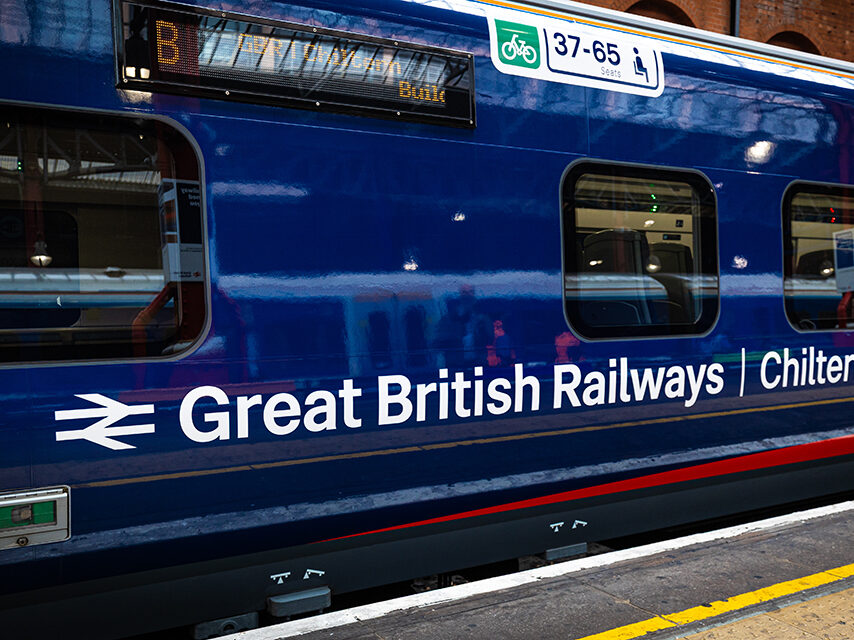
The report has been published as the regulator prepares for the transition to Great British Railways (GBR), and aims to highlight the day-to-day responsibilities intended to remain within the ORR’s control.

Such responsibilities will include the enforcement of safety standards, holding of Network Rail to account on performance, and ensuring disabled passengers receive the full assistance they are entitled to.
The ORR’s benchmarking framework will allow it to directly compare operator performance relating to the treatment of disabled passengers, who often need help boarding or leaving trains. Thus far, this has already seen SWR and WMT develop improvement plans, as well as reinforce the case for ORR’s intervention with Northern Trains.
Going forward, the regulator will continue to support operators trialling technology to replace phone-based handovers between stations with electronic systems, as well as provide frontline oversight across the railway. Work will continue to tackle violence against rail staff, manage risks at level crossings, and address both fatigue and overspeeding risks.
On 27 April 2026, Feras Alshaker will take over as interim Chief Executive from John Larkinson, providing continuity of leadership as the regulator navigates its ongoing transition.