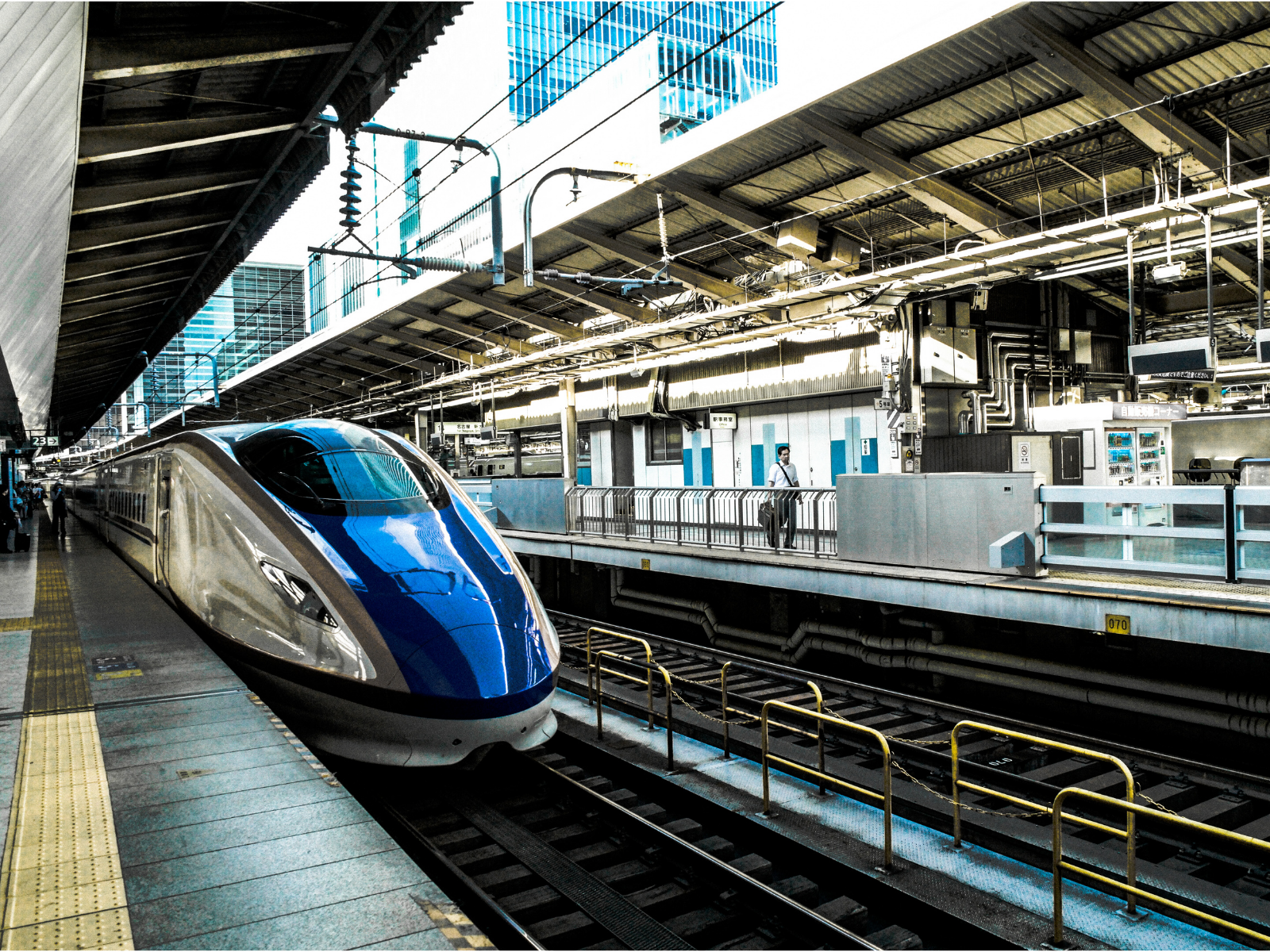
Battery electric trains are only as reliable as their thermal management. Here’s why silicone rubber heaters are becoming an essential component in cold-climate rail.

As the rail industry accelerates its shift toward electrification and hybrid traction, many manufacturers are increasing their production of battery electric multiple units (BEMUs), hybrid diesel-battery trains and fully electric rolling stock.
CAF’s Urbos platform, for instance, incorporates onboard energy storage systems for catenary-free operation in city centres, while Stadler’s FLIRT Akku and KISS Akku variants are already serving regional routes across Germany and Switzerland. Alstom’s Coradia iLint – the world’s first hydrogen-battery hybrid train – also relies on battery packs to store energy generated by its fuel cells.
But behind every high-performance battery system lies a critical engineering challenge that rarely makes headlines: thermal management, or more specifically, keeping battery packs at the right temperature when the thermometer drops outside.
Cold Causes Performance Decline
Why does this matter? Well, batteries can operate over a large temperature range, but the reality is that extreme weather conditions can limit their capacity, efficiency and lifetime.
While excessive temperatures can lower performance, the biggest issue is when the temperature falls below zero. It’s at this point that the electrochemical reactions of lithium-ion battery cells – the dominant technology used in rail energy storage – slow dramatically, reducing available capacity and power output.
In the extreme cold of −20°C or below, a battery pack may deliver less than 60% of its rated energy, compromising traction performance and range. Repeated charge and discharge cycles at low temperatures also accelerate cell degradation, shortening battery pack life and driving up lifecycle costs.
Furthermore, in mountainous regions and across northern Europe and America many operators park their vehicles in depots overnight where temperatures can fall to −25 °C in the winter months. This can result in the first morning service of the day starting with a severely depleted battery.
The Simple Solution
There’s a simple solution to this issue – silicone rubber heaters. These thin, flexible heating elements can be placed directly between battery cell modules or laminated onto the walls of battery enclosures, and their low mass is a key advantage in rail design, where every additional kilogram is scrutinised.
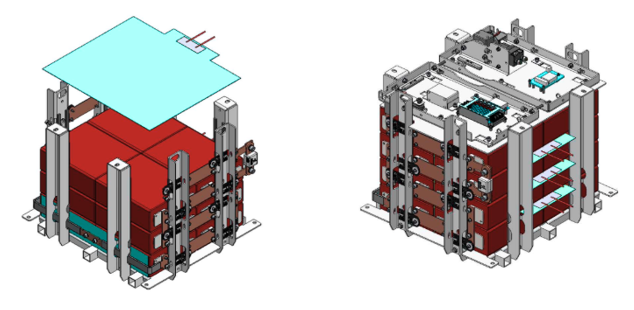
A silicone heater adds negligible weight compared to the battery pack itself, preserving the payload capacity and energy density that make battery traction economically viable in the first place.
Ohmvo, a Spanish-based manufacturer of heating solutions, is a leader in silicone rubber heaters for train battery packs and is actively working with a number of OEMs to incorporate their technology into the design of the manufacturers’ energy storage wagons.
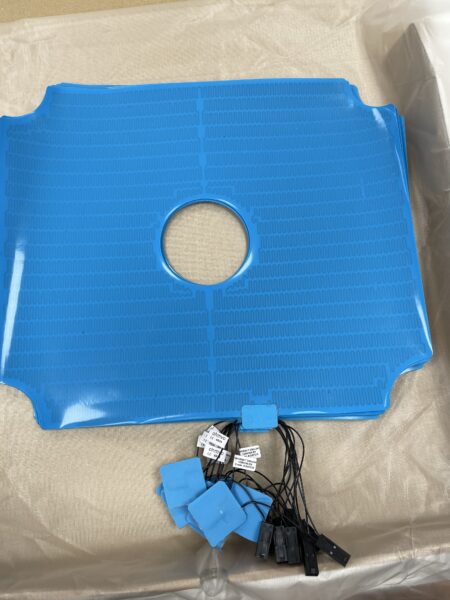
Typically between 0.5mm and 1mm thick, Ohmvo’s silicone rubber heaters are ultra-thin, which enables them to be integrated between battery cells without changing the structural supports beyond a slight adjustment of tension. The technology can also be installed around the enclosure, which involves minimal modifications to the current system, providing an even easier installation option.
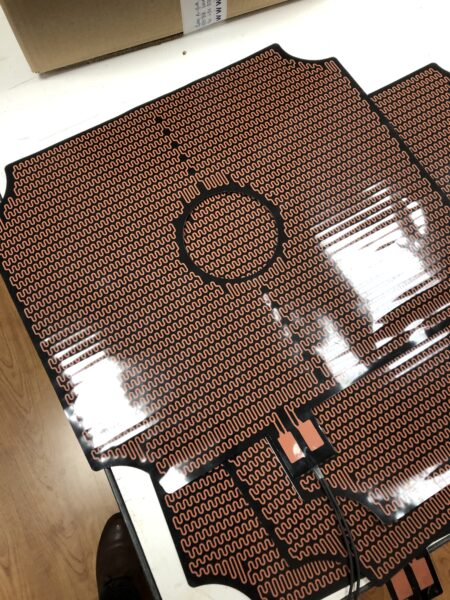
Then, because they conform precisely to the surfaces they contact, heat transfer is highly efficient and uniform, avoiding the hot spots that rigid heaters can create.
Customisation Is Key
Ohmvo’s heaters are also fully customisable. Manufacturers can specify wattage, watt density, dimensions and terminal placement to match virtually any cell format and any enclosure geometry. The heaters’ etched foil design can be adapted to the available space, ensuring efficient and uniform heat distribution, and adjusting power densities to compensate for heat losses around the edges or any isolated areas. Customers can even choose how the heater is installed; either via adhesive-bonded fixing or attached mechanically with screws.
Equally important, they can be integrated with precision temperature sensors and controllers, feeding real-time surface temperature data back to the operator’s control system. This allows the heating system to activate automatically when temperatures fall below a set threshold and switch off once the battery pack reaches its optimal operating range of 15-35 °C.
This closed-loop approach minimises energy consumption and avoids overheating.
Safety Above All
Any component installed on a European passenger train must comply with EN 45545, the European standard for fire protection on railway vehicles. The standard defines hazard levels (HL1 to HL3) based on train type and evacuation conditions, and sets strict requirements for flame spread, smoke density and toxic gas emission.
Silicone-based heating elements are particularly well suited to meeting these requirements as the material inherently offers good flame resistance and low smoke toxicity compared to many polymer alternatives.
Ohmvo’s heaters meet Hazard Level 3 of EN 45545, as well as being CE, REACH and RoHS certified. Maintenance is minimal, and in the unlikely event that a heater fails, protective thermal limiters can be used to physically cut off the heater’s power supply if a designated temperature limit is reached.
A Critical Component for a Growing Market
With the European Union’s commitment to decarbonising rail transport and national operators across Spain, Germany, the UK and Scandinavia ordering battery and hybrid fleets in growing numbers, the demand for robust battery thermal management solutions will only increase.
For manufacturers navigating this landscape, it’s important to remember that not all heating solutions are equal, and neither are the suppliers behind them. Ohmvo’s combination of ultra-thin solution, deep customisation capability and long-term support sets it apart from the alternatives, making it a partner as much as a component supplier in the drive toward reliable, cold-weather battery traction.
Manufacturers looking to integrate silicone heating into their next battery platform are encouraged to find out more by visiting Ohmvo’s Railway-News supplier profile page.