The first of 54 new Docklands Light Railway (DLR) trains have entered service, marking the start of a fleet replacement programme intended to improve capacity and reliability on one of London’s busiest transport networks.
The introduction of the new trains is the most significant upgrade to the DLR in over three decades. The new fleet is replacing some of the system’s oldest rolling stock, which has been in operation since the late 1980s.
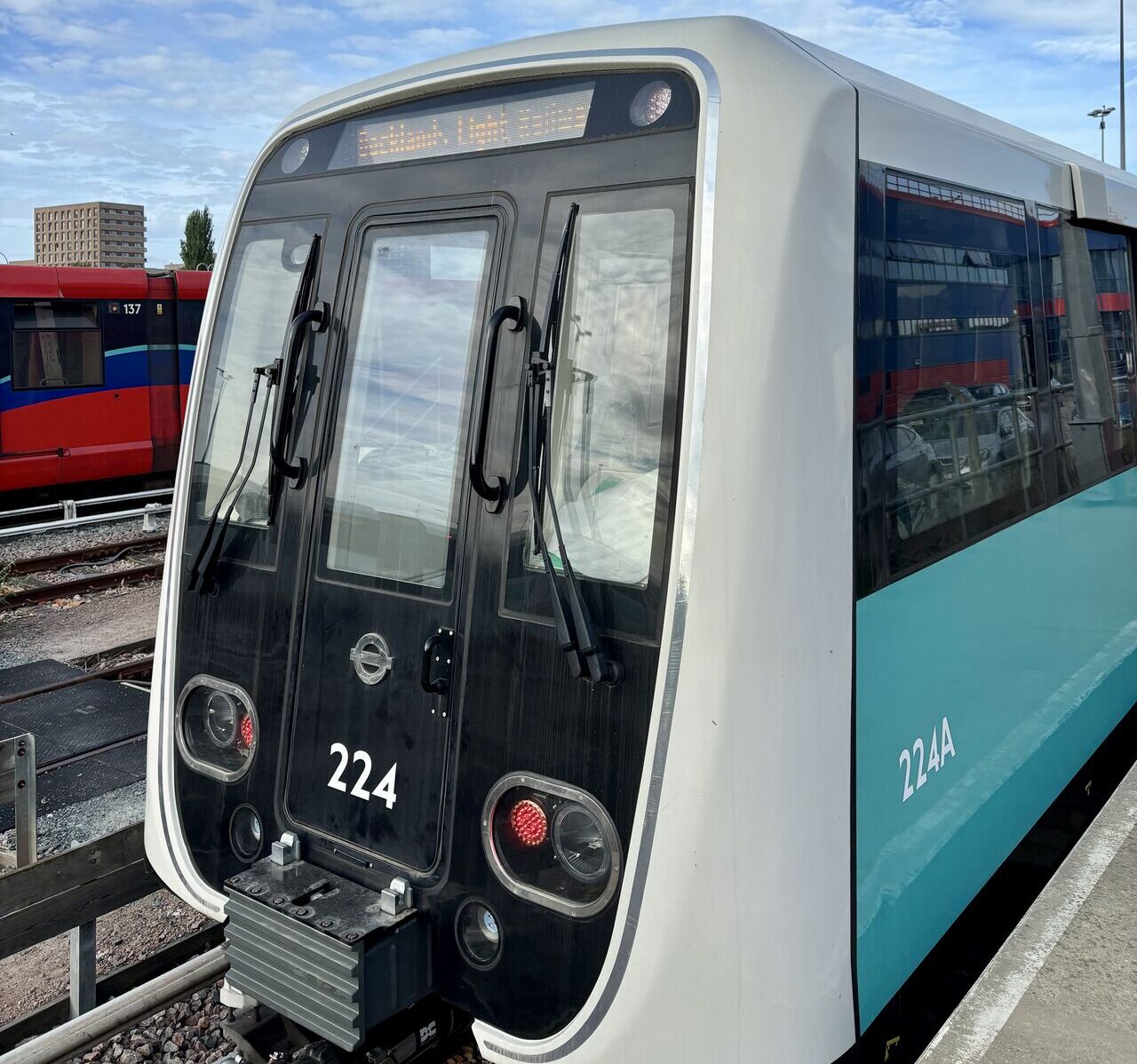
The new trains have undergone months of testing and are entering service gradually, with further units to follow in the coming months. TfL has said that the full timetable, which was reduced earlier this year during the retirement of older trains, will be restored as the rollout continues.
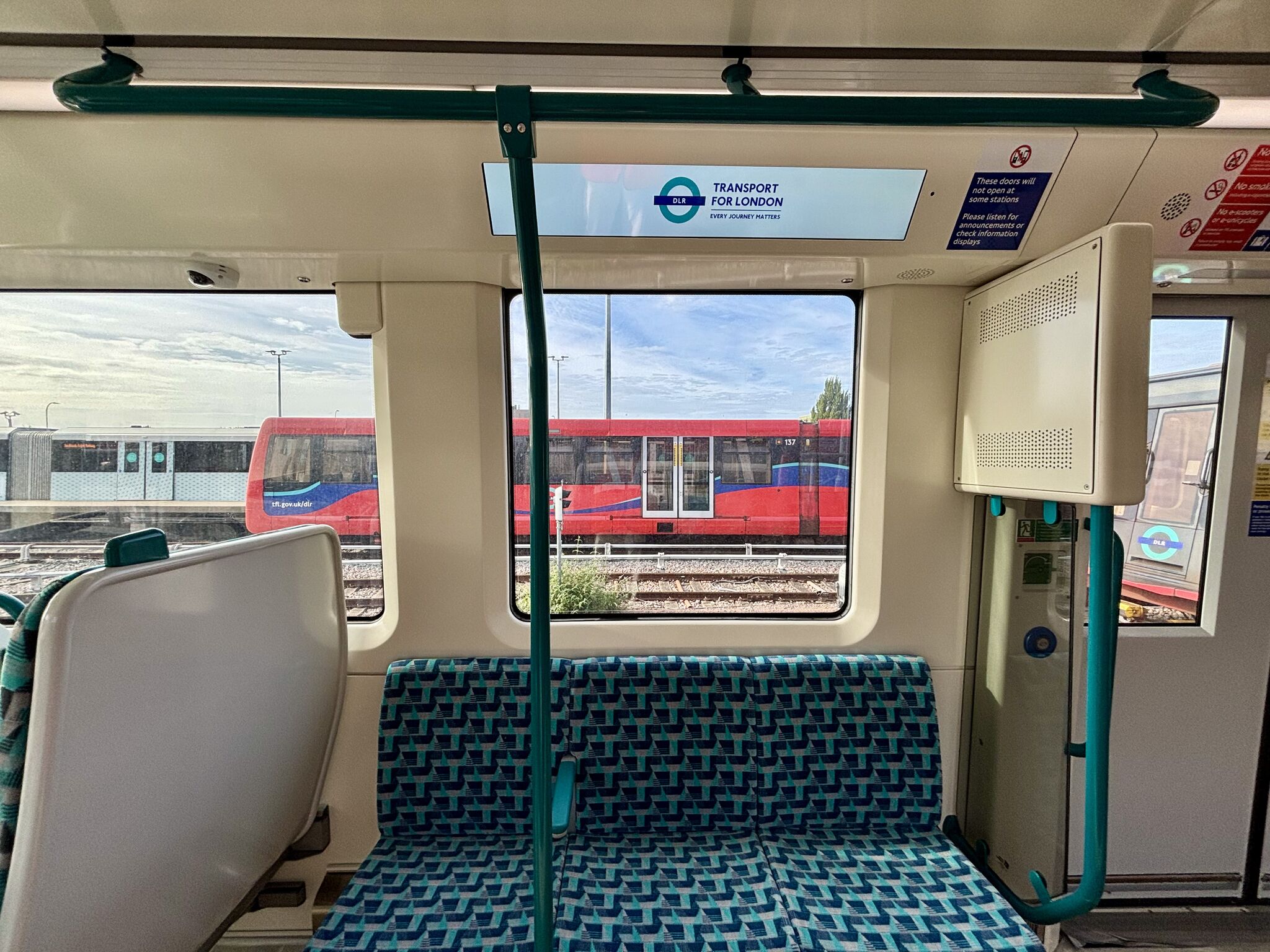
Each train has been designed to provide a more comfortable and accessible journey for passengers. Key features include:
- Walk-through carriages with 10 per cent more space than current models
- Air conditioning to improve onboard comfort
- Real-time travel updates and charging points for mobile devices
- Three multi-use areas suitable for pushchairs, bicycles, and luggage
- Dedicated wheelchair spaces to improve accessibility
When all 54 trains are in service, overall capacity on the DLR will increase by more than 50 percent. The rollout is expected to be completed by the end of 2026.
The new trains are part of a wider investment in transport infrastructure that aims to support new housing and employment across east and south-east London. The DLR serves areas such as Stratford, Woolwich Arsenal and the Isle of Dogs, which continue to see significant development.
The Mayor of London, Sadiq Khan, said:This is an exciting day in east and south London with the introduction of these brand-new trains marking a major milestone in the transformation of the DLR to improve travel for millions of Londoners.
These new trains are amazing. Built with the latest cutting-edge design and technology, the trains will have 10 per cent bigger capacity, improved onboard customer information, mobile device charging points, air conditioning and better accessibility features for all passengers.
The new DLR trains will significantly improve reliability and support growth in new homes and jobs, particularly for Londoners in areas like Stratford, Woolwich Arsenal and the Isle of Dogs. I'm committed to modernising infrastructure on London's transport network, which is vital for faster, greener and safer journeys that are accessible for all.
The Government has contributed 260 million GBP from the Housing Infrastructure Fund towards the new fleet, with a further 500 million GBP loan provided through the National Wealth Fund. London City Airport has also contributed over 5 million GBP, recognising the DLR’s role in connecting passengers to the airport.
In addition to rolling out the new trains, Transport for London (TfL) is working with partners on plans for a potential extension of the DLR from Gallions Reach to Thamesmead. This project would open up new areas for housing and employment while improving connectivity in parts of London that currently have limited public transport access.