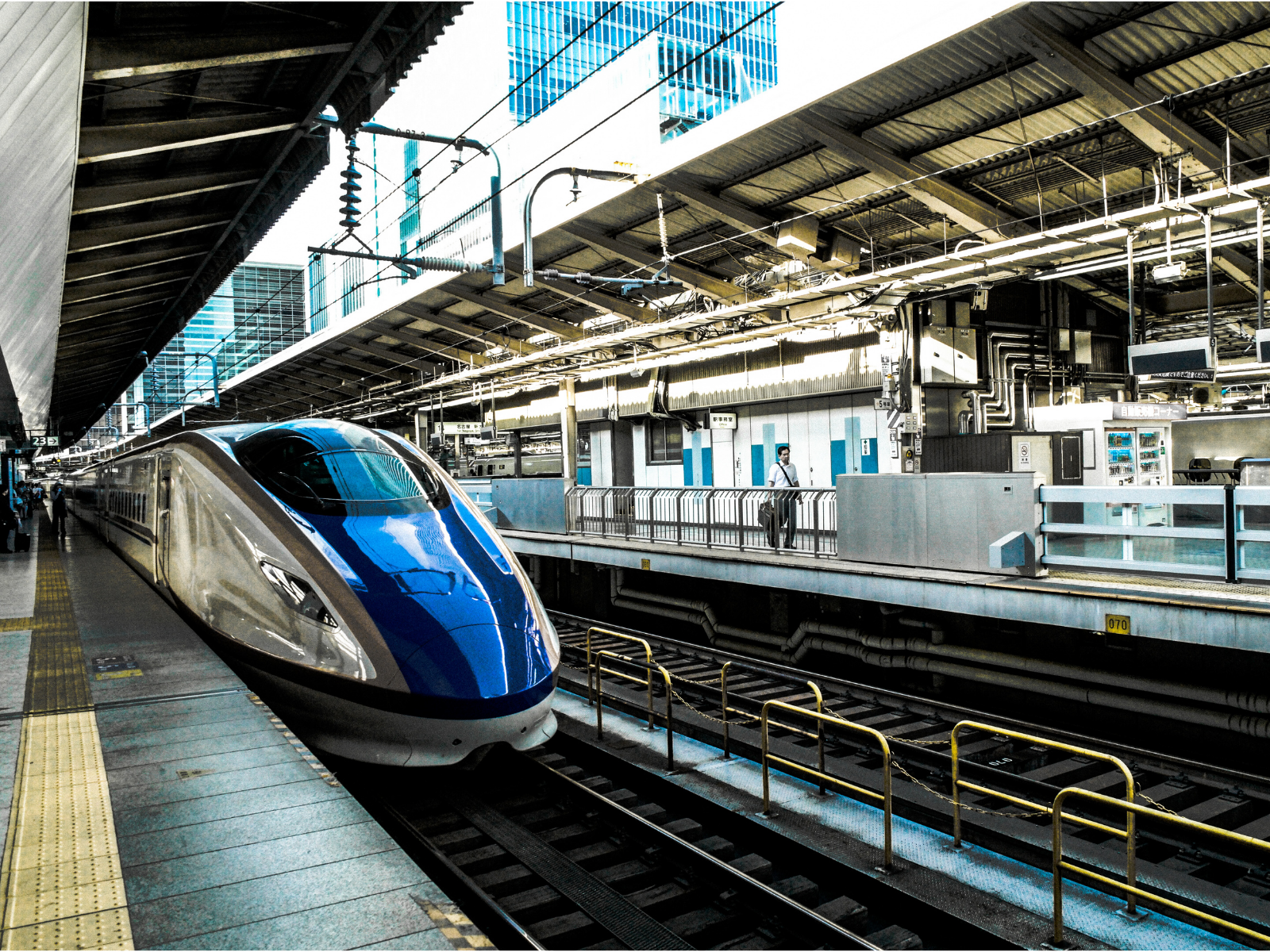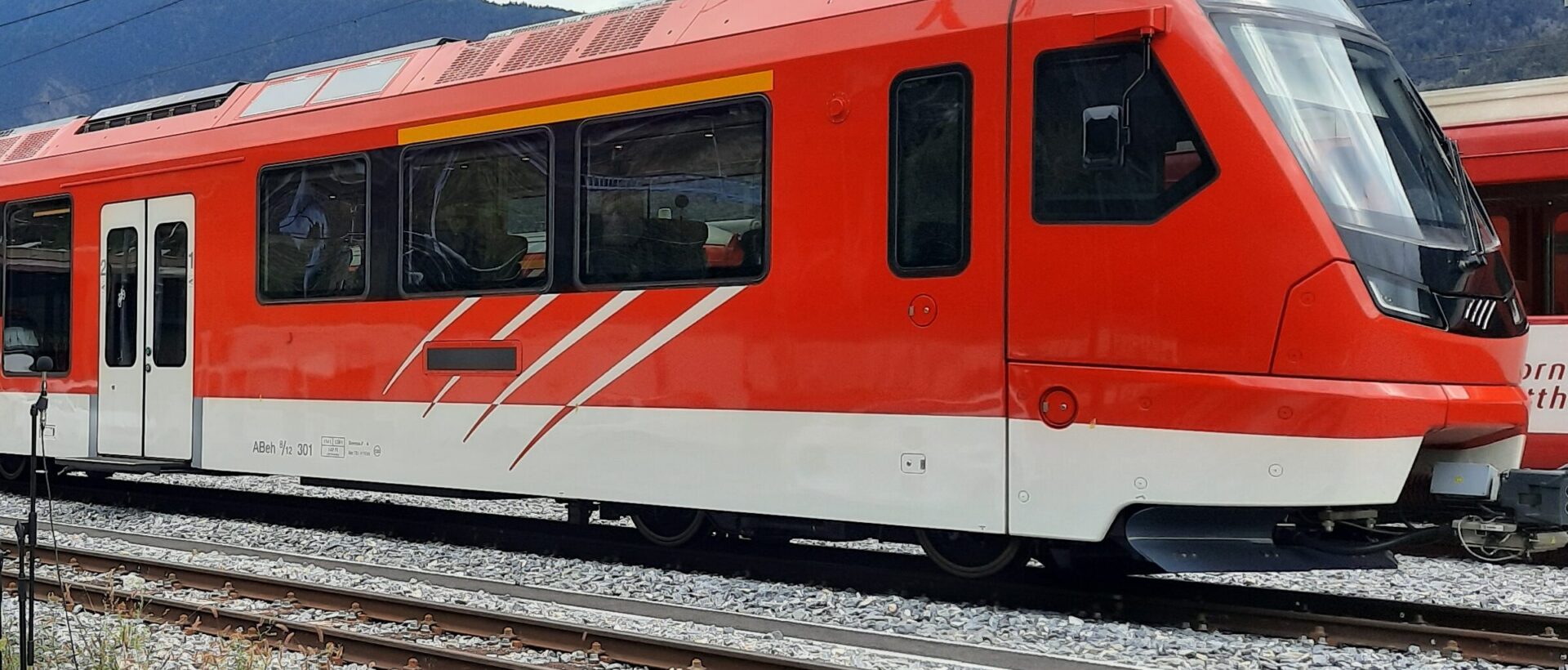
Berlin (Germany), August 26, 2026 – A collaborative rail testing project in Indonesia is using imc data acquisition technology and GRAS measurement microphones to investigate passenger comfort and structural dynamics under real operating conditions, aiming at developing the rail infrastructure. The project brings together Kereta Api Indonesia (KAI), Institut Teknologi Sepuluh Nopember (IST) and Indonesia’s National Research and Innovation Agency (BRIN), including PRTT BRIN and the Aerodynamics, Aeroelasticitiy and Aeroacoustics Laboratory.
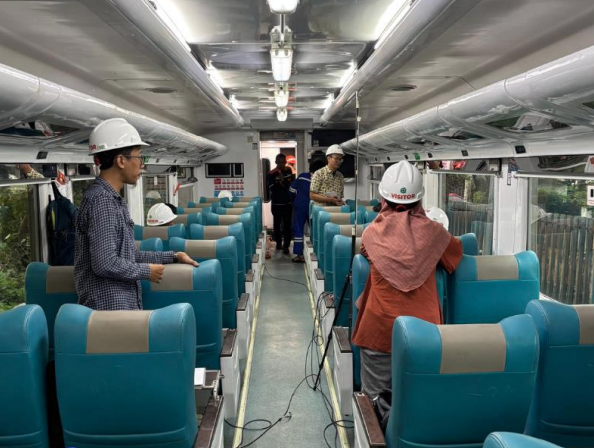
Measuring NVH Under Changing Track Conditions
The test programme captures in-cabin noise, vibration and GPS data during operation on the national railway network, in different operating conditions, including maximum speed, acceleration, braking and varying track curves. To record the interactions of the different signals, a complex matrix of distributed sensors is installed throughout a passenger car. GRAS microphones measure structural acoustics, HVAC noise and sound levels at passenger ear height, while accelerometers capture multi-axis structural vibration. The vibration measurement setup supports the assessment of whole-body vibration and passenger ride comfort in accordance with international standards including ISO 2631. Using the compact imc ARGUSfit DAQ system, acoustic, vibration and GPS signals are synchronized to a common timestamp, allowing engineers to correlate NVH events with specific operating and track conditions.
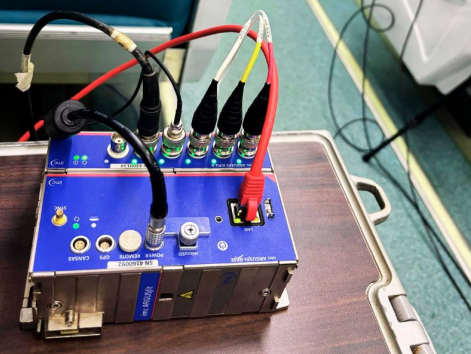
Turning Measurement Data Into Location-Based Insights
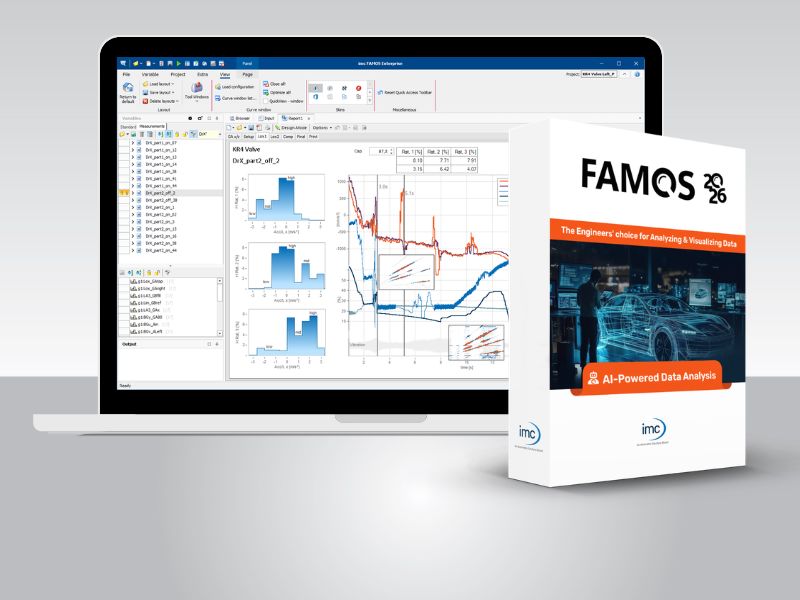
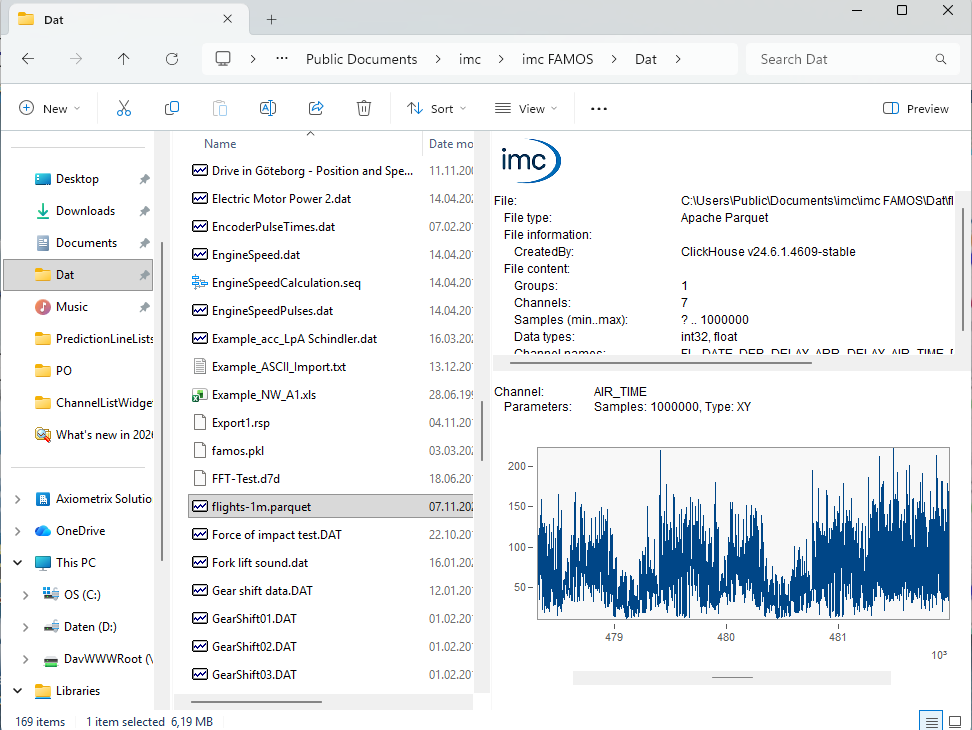
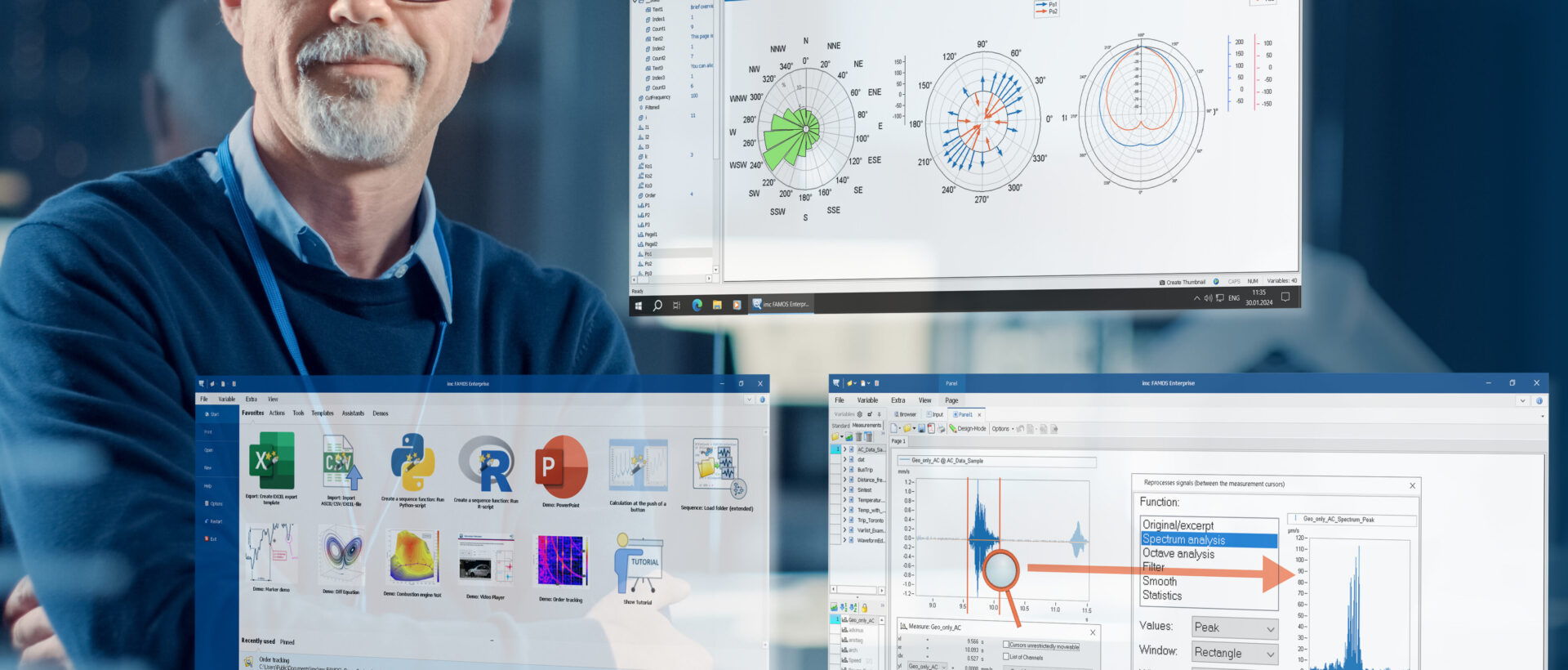
For post-processing, the team uses FAMOS the analysis software to combine measurement data with GPS coordinates. Engineers can visualize noise and vibration events along the actual railway route, identify critical situations such as sharp turns or peak-speed sections, and automate repetitive analysis across different operating conditions. The resulting measurement and analysis workflow helps the project partners better understand the relationship between track conditions, vehicle dynamics and passenger comfort.
This article was originally published by imc Test & Measurement.