Two recent landmark fundings have unlocked a lesser-known German financing tool for large international rail companies, and the industry is taking notice.
In Europe, a growing share of rail freight cars and locomotives are owned by international leasing companies. This is a trend that’s been accelerated by the declining market share of European national incumbent operators such as Deutsche Bahn (DB), Polish State Railways (PKP) and Swiss Federal Railways (SBB).
Leasing companies require high financing volumes to fund the related capital expenditures for new assets. These often come from large financing platforms where multiple lenders participate with individual loan tranches under a common set of terms. In such facilities classical bank loans exist alongside capital market products, all benefitting from the same security structure.
KfW IPEX-Bank has now applied a new financing product for these scenarios – a KfW promotional loan – and in the last three months has arranged landmark transactions for two of its core clients.
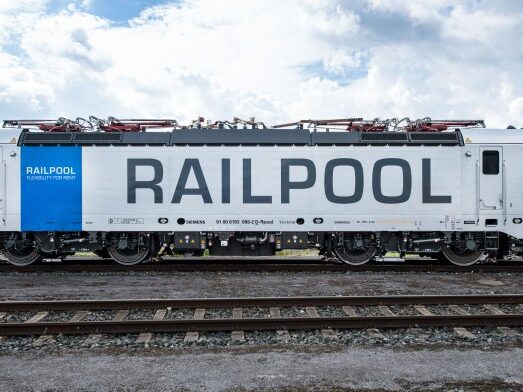
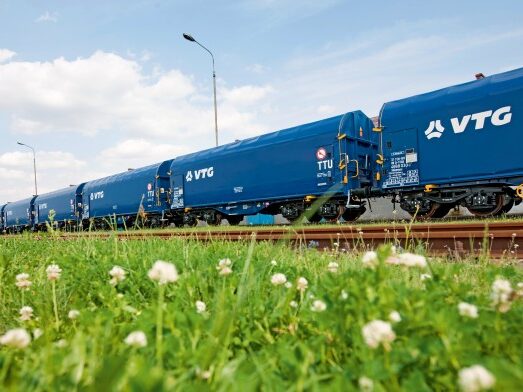
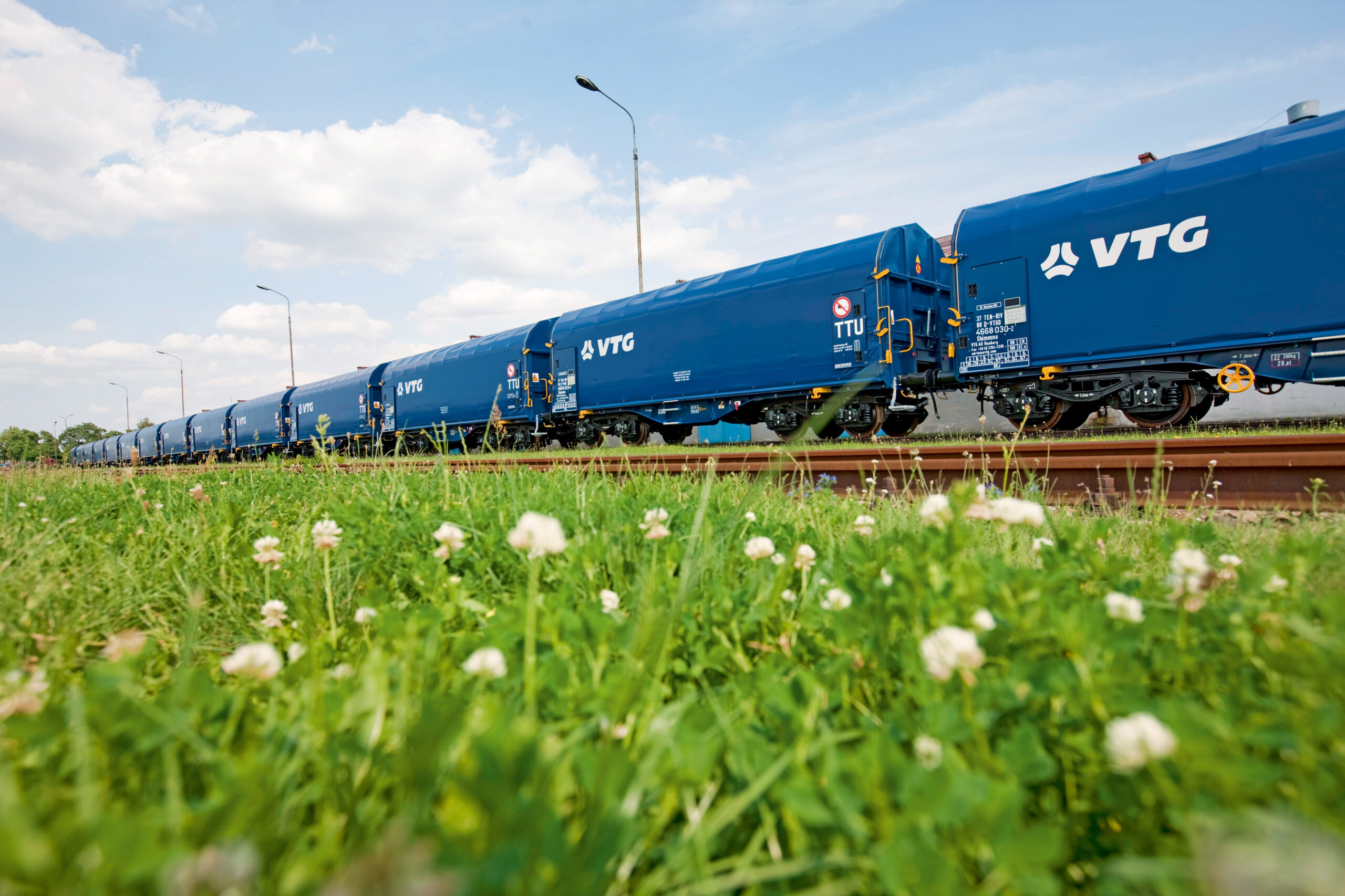
In the first of its kind, KfW IPEX-Bank arranged and syndicated a €340 million promotional loan for Hamburg-based VTG to purchase new freight wagons. This was followed by a similarly positioned €100 million promotional loan for Munich-based RAILPOOL to purchase new locomotives.
The Financing Tool Hiding in Plain Sight
KfW Group, the German state-owned development bank of which KfW IPEX-Bank is a 100% subsidiary, holds a government mandate to support specific projects that align with government policies. This is done via low-interest, long term financings – promotional loans – that each target a specific policy objective. KfW Group doesn’t have any branches or hold customer deposits and acts for its promotional activities within Germany via the respective house bank of the client.
One of these promotional loans is KfW Programme 269: the Investment Loan for Sustainable Mobility (individual variant). This programme could be used for the VTG and Railpool deals as it’s designed to finance investments in climate-friendly transport that meet the technical criteria of the EU Taxonomy for sustainable economic activity. This can include all kinds of rolling stock that meets defined emissions standards, and eligibility requires a strong connection to Germany.
The mechanics of the loan are straightforward. KfW provides low interest, long-term liquidity to KfW IPEX-Bank, which takes on the full credit risk of the borrower and on-lends the funds. Because the terms under the promotional loan are currently more attractive than a comparable commercial loan, both Railpool and VTG could benefit from lower overall funding costs. The programme offers terms of up to 30 years, with a minimum facility size of €25 million based on a fix-rate loan.
What it’s not been, at least until now, is a product for large, internationally active rail leasing companies.
Nico Hintze, Director, Mobility and Transport at KfW IPEX-Bank:Promotional loans have existed for a long time, but they're typically used for small, bilateral financings in Germany. What's never been done before is to use them for one of the larger leasing companies.
Nico Hintze, Director, Mobility and Transport at KfW IPEX-Bank:Organisations like VTG and Railpool don't have simple bilateral loan agreements, they operate large financing platforms where multiple lenders participate under a common set of terms. Our challenge was to take this very specific German promotional product, integrate it into one of those platforms as just another tranche, and make it work within a structure it'd never been designed for.
The VTG and RAILPOOL Deals – What Was Financed
KfW IPEX-Bank spent considerable time working through the structural and legal challenges of integrating the promotional loan into the respective existing financing platforms. For VTG, the result was a seven-year facility of €340 million, financing a fleet of new railcars that are in alignment with EU Taxonomy rules. KfW IPEX-Bank, in its role as sole mandated lead arranger and bookrunner, arranged and syndicated the promotional loan to a club of banks.
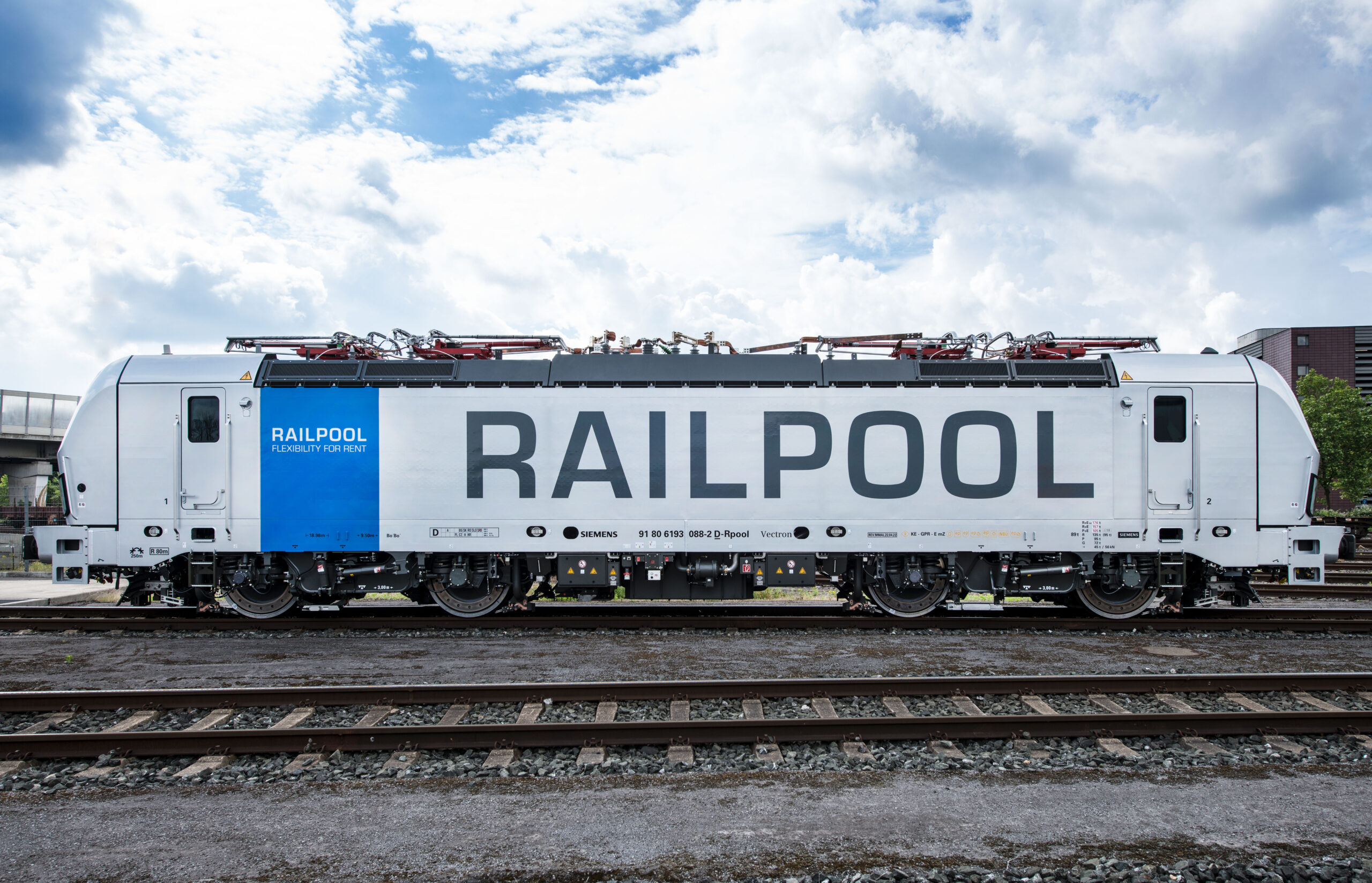
For RAILPOOL the facility was a bilateral deal for €100m, which will be used to finance new electric locomotives. The new CAPEX facility, in which KfW IPEX-Bank functions as the sole lender, is integrated into RAILPOOL’s existing financing platform.
In both financings, KfW IPEX-Bank is acting as the facility agent.
Nico Hintze, Director, Mobility and Transport at KfW IPEX-Bank:What we've done is take an attractive funding instrument and, for the first time, make it available to rail asset owners that can deploy it at real scale. Now we're seeing other clients want to replicate it.
The Knowledge Gap
In the past there was little reason for large international rail businesses to look twice at promotional loans, as the structures simply didn’t fit. VTG and RAILPOOL had always financed through conventional bank and capital market liquidity, and had no reason to look elsewhere until KfW IPEX-Bank raised the idea.
Nico Hintze, Director, Mobility and Transport at KfW IPEX-Bank:Few international organisations know this product exists. Even the lessors themselves, both based in Germany, weren't aware until we approached them.
Just the Beginning…
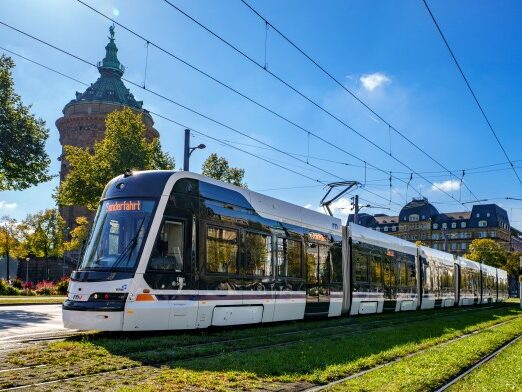
These two deals demonstrate that KfW Programme 269 can work for large, complex borrowers and, in case of VTG, even for larger syndicated loans involving a group of international banks. Eligibility is broad: it’s open to domestic and international organisations financing new, EU Taxonomy-aligned rolling stock, with purchases extending well beyond freight wagons and electric locomotives to include multiple units, trams and intermodal equipment. In addition, the borrower doesn’t necessarily have to be a German company; the criteria is met if the financed assets will have a meaningful presence on the German network.
The process is also faster than the complexity of the product might suggest. KfW IPEX-Bank handles the structural heavy lifting, assisting clients with the application process and managing the syndication and integration into existing financing platforms, drawing on its unique position as both arranger and a bank with extensive experience in financing KfW promotional loans.
The large capital requirements for rolling stock in Europe will continue to be met primarily by conventional financing instruments. However, promotional loans are a new addition to the financing toolbox and the VTG and Railpool deals demonstrate that this new, lower-cost financing alternative holds strong appeal for large, internationally active lessors and operators — particularly those managing freight and passenger rail fleets predominantly operating in Germany. The next step is making sure those companies know it.
Nico Hintze, Director, Mobility and Transport at KfW IPEX-Bank:The perfect outcome for us is that people read about these deals and come ask us how they can do the same.
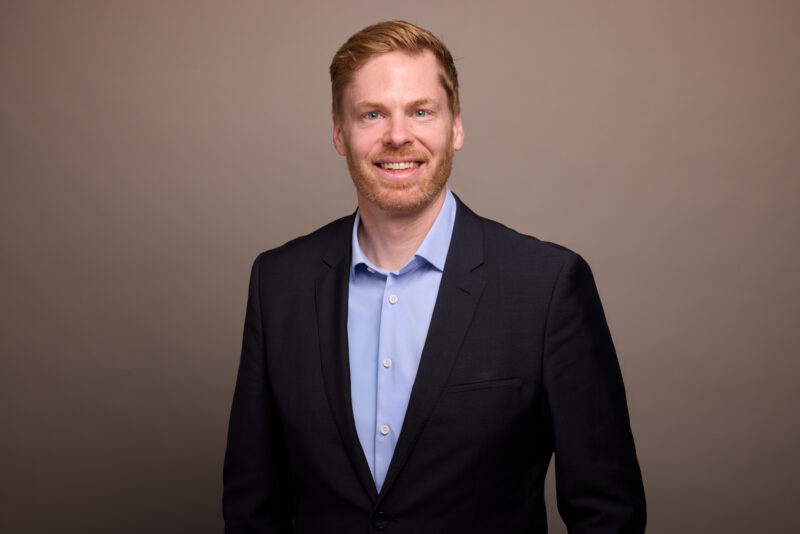
You can do this by contacting Nico Hintze via +49 69 7431-6075 or [email protected].
This article was first published by KfW IPEX-Bank.