Stadler will present seven new rail vehicles at InnoTrans 2026 in Berlin, including a hydrogen-powered train for Italian metre-gauge lines and the new EURO DuFour freight locomotive for SBB Cargo Switzerland.
The manufacturer will exhibit the vehicles from 22 to 25 September, alongside presentations covering its service, signalling and digital technologies.
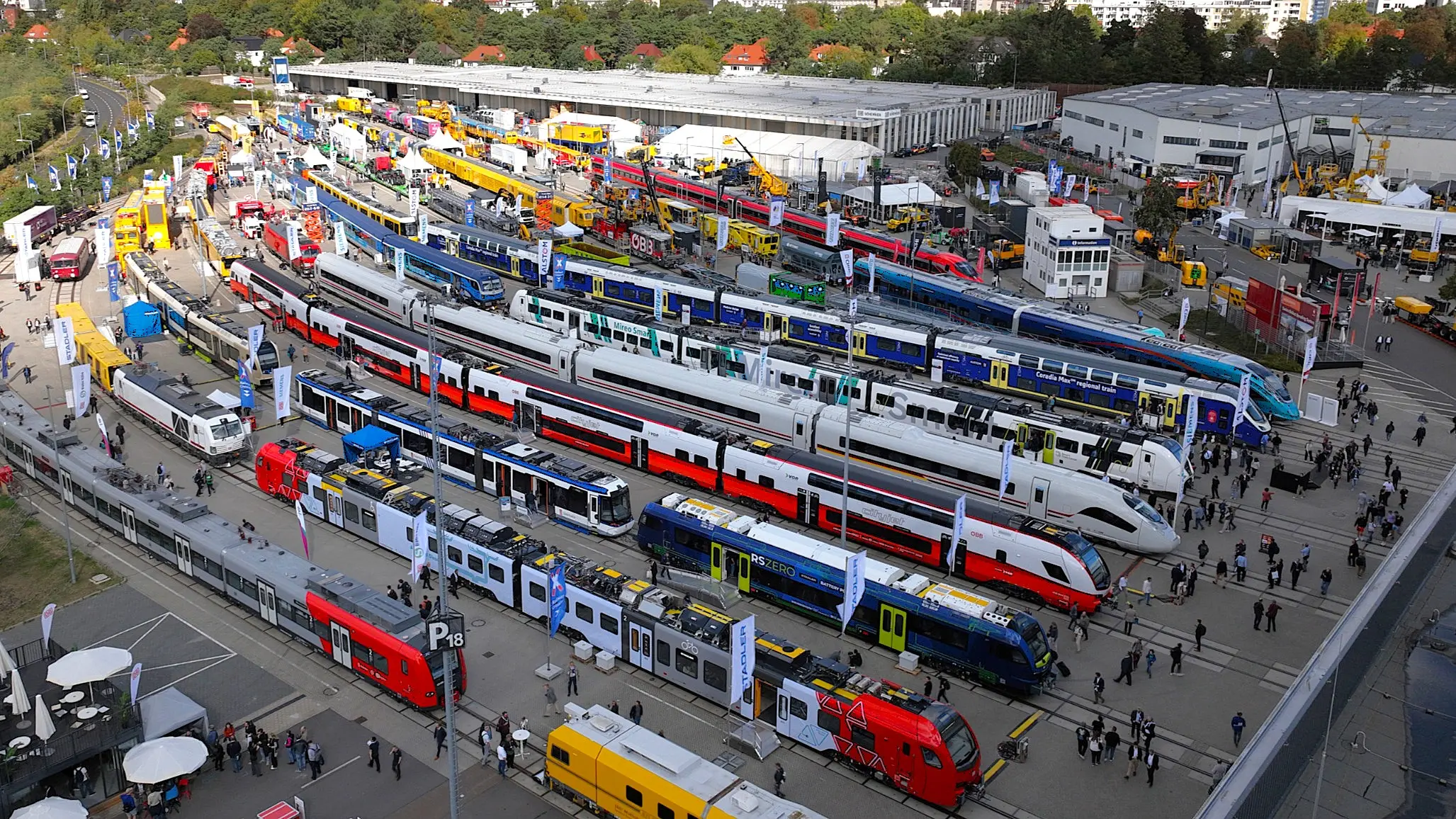
The new vehicles have been developed for operators in Germany, Austria, Italy, Norway and Switzerland and include trains for long-distance and regional services, freight locomotives and urban trams.
Dr Ansgar Brockmeyer, Head of Sales & Marketing and Deputy Group CEO said:Each vehicle tells its own story and has been developed in close collaboration with our customers. These partnerships are the key to innovative solutions that deliver in everyday use and are perfectly tailored to specific needs. In this way, they make public transport more attractive. It is important to us that we always present the vehicles together with our customers.
Among the vehicles on display will be Stadler’s first hydrogen-powered train for Italian metre-gauge tracks. The train has been developed for operation on non-electrified metre-gauge and narrow-gauge lines and is planned for use in Sardinia, Calabria and Sicily.
In Sardinia, the trains are intended for Azienda Regionale Sarda Trasporti, while Ferrovie della Calabria and Ferrovia Circumetnea are set to operate them in Calabria and around Mount Etna, respectively.
Stadler will also present the EURO DuFour locomotive developed for SBB Cargo Switzerland. The four-axle multi-system locomotive was fully assembled at Stadler’s Valencia factory, two years after the contract was signed at InnoTrans 2024.
The locomotive is designed to reduce energy consumption by around 15% compared with SBB Cargo Switzerland’s existing fleet. A newly developed bogie with integrated wheelset control is also intended to reduce rail wear by up to 20%.
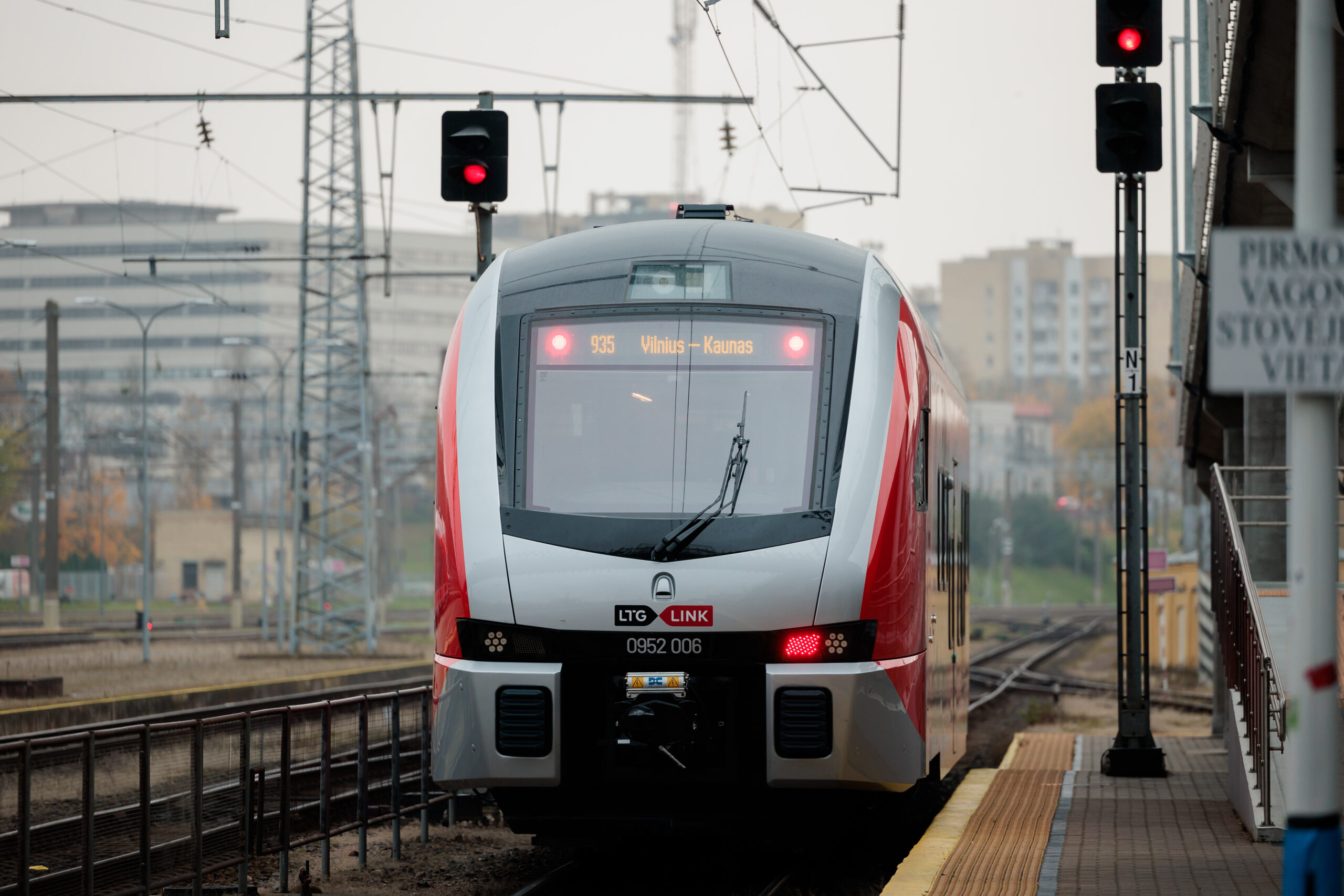
For Norway, Stadler will exhibit four carriages from its FLIRT Nordic Express train for Norske tog AS. The single-deck long-distance trains have been designed for Norway’s climatic conditions and for both daytime and overnight services.
The full train can accommodate up to 464 passengers and includes sleeping compartments, reclining seats and family areas. Depending on the route, the trains will operate using either electric or bimodal electric-diesel propulsion.
Stadler is also bringing two trains developed for Austrian Federal Railways (ÖBB) to the exhibition.
The six-car KISS Railjet double-deck train is intended for long-distance services. Measuring around 160 metres in length, it has a maximum speed of 200km/h and provides 486 seats. Stadler said this represents an increase of around 20% in capacity compared with previous services on the relevant routes.
The FLIRT Akku for ÖBB will demonstrate battery-electric regional operation on routes that are not continuously electrified. The batteries are charged while the train is operating under overhead lines, allowing it to continue on non-electrified sections using stored energy.
The remaining vehicles on display will include a TINA tram for Rostock and a new tram for Stuttgarter Strassenbahnen AG (SSB).
The Rostock TINA features an integrated low-floor drive system, providing a level passenger compartment throughout the vehicle. It also includes panoramic windows, multifunctional areas and driver assistance systems.
The SSB tram has been designed for Stuttgart’s operating environment, including steep gradients and tunnel sections. It features all-axle drive for traction on gradients, alongside level access and multipurpose areas.
Alongside the vehicles, Stadler will use its exhibition stand to present service, maintenance, signalling and automation technologies. The interactive displays, models and virtual reality experiences will demonstrate digital maintenance solutions and other technologies across the lifecycle of rail vehicles.