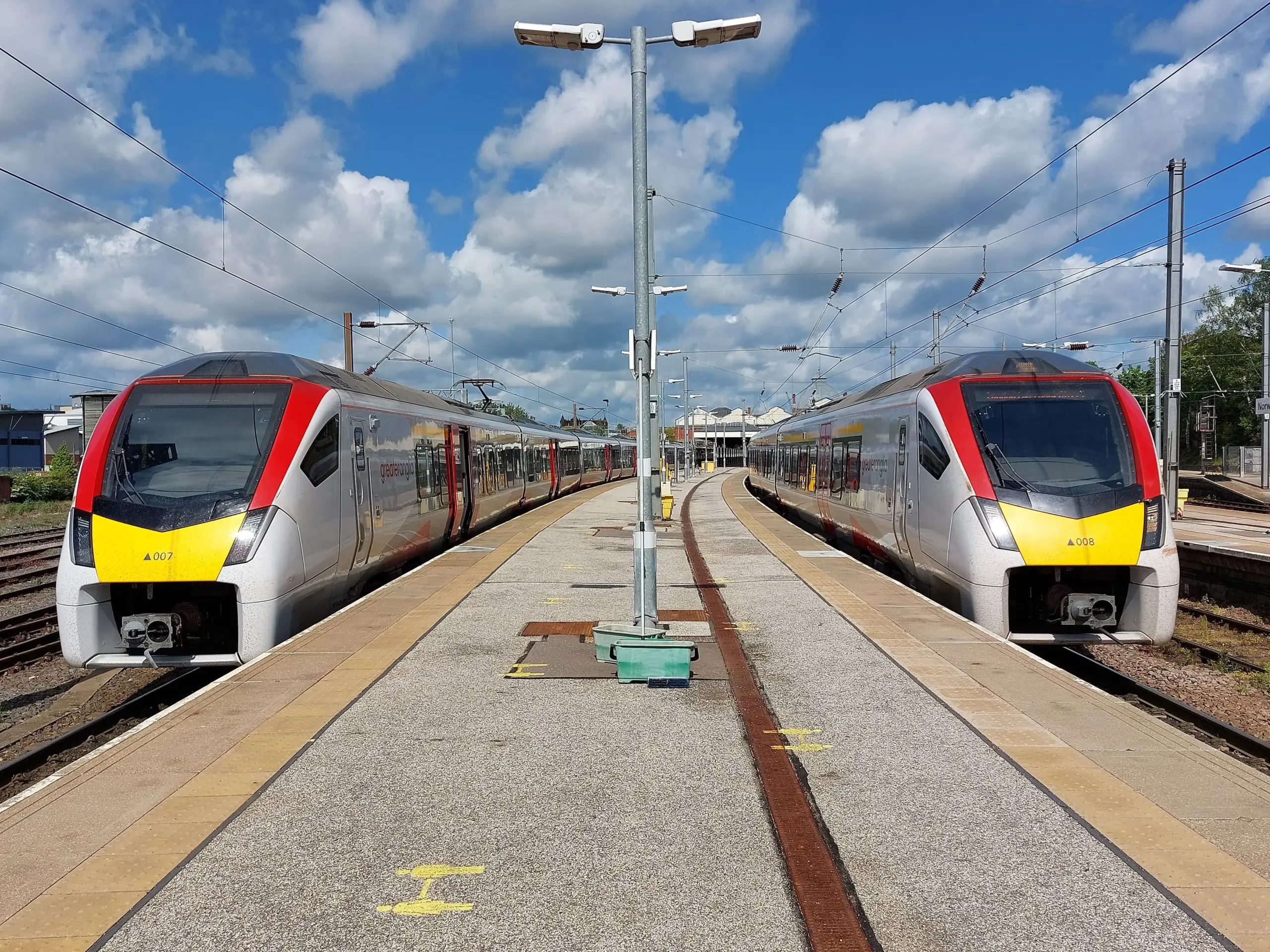
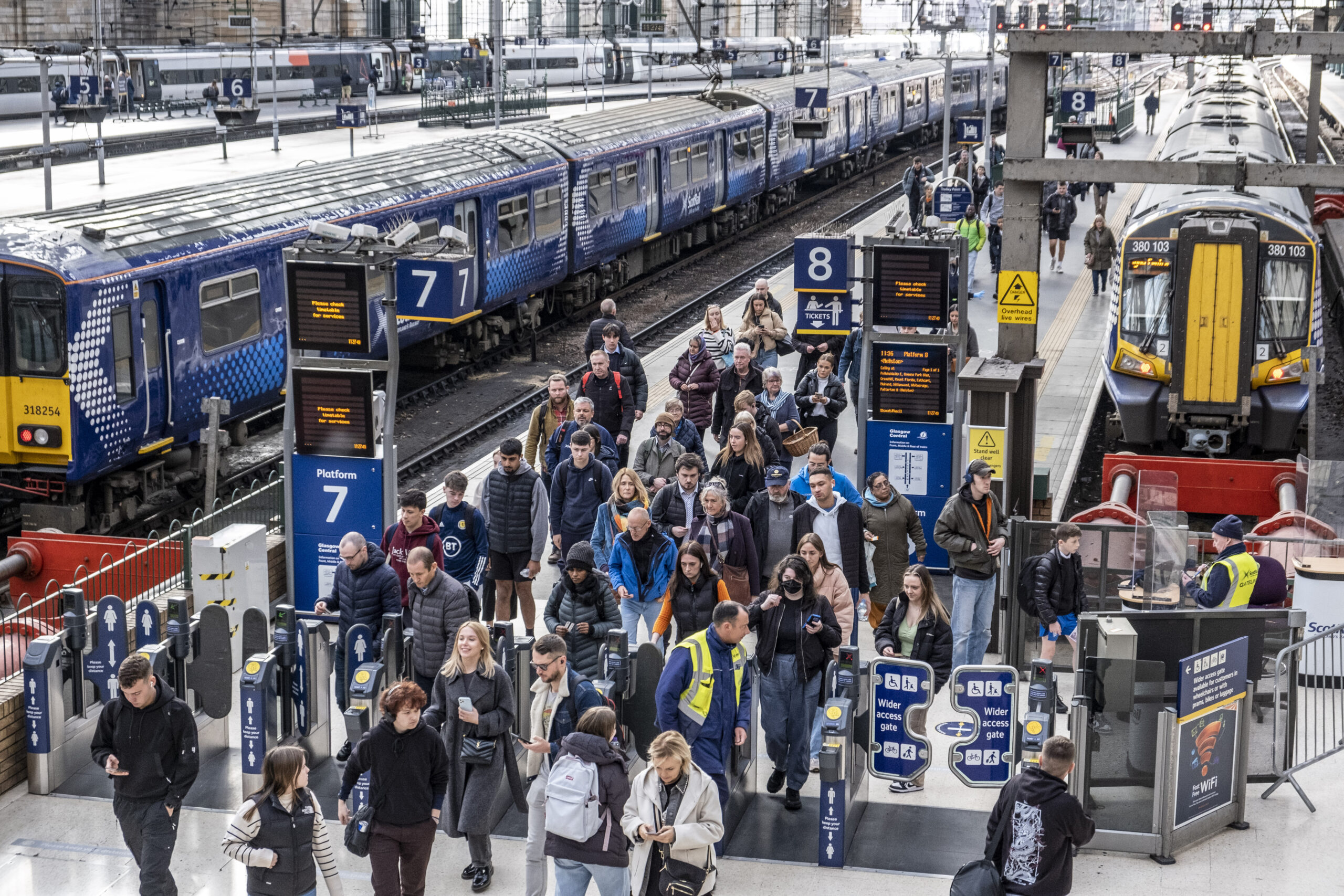
New data from the Office of Rail and Road (ORR) has revealed that Great Britain’s rail network recorded 1.83 billion journeys between April 2025 and March 2026 – the highest number since 1920.
This latest annual figure exceeds the previous record of 1.75 billion journeys recorded between April 2028 and March 2019, and is also up 6% on the 1.73 billion journeys recorded last year.
Theorising the reason for the increase; the ORR has suggested that new infrastructure, the return of passengers following the pandemic and ticket types have all influenced official usage figures, as has the introduction of the Elizabeth line, which alone saw 257.4 million journeys between April 2025 and March 2026 .
Season ticket use has continued to increase since the pandemic, with 234 million journeys made – a 4% increase on the previous year, but still falling short of the 588 million before the pandemic.
Graham Richards, Director, Planning and Performance, said:It’s great news that more people than ever are using the railway.
The Elizabeth line has been a massive boost to rail, but behind the record-breaking usage figures there is a significant shift to how and when we use the rail network. As more people are using the railway it's important to have a relentless focus in ensuring trains are punctual and reliable as possible.
Elsewhere, off peak journeys have also risen from 799 million to 844 million – a 6% increase – whilst total fare revenue (12.32 billion GBP) still falls short of pre-pandemic totals of 13.39 billion.
Data shows that passengers are buying tickets differently, with an increase in the use of split ticketing, where two or more tickets are bought for a journey at a lower price than a single ticket, thereby counted as more than one journey.
Railway Industry Association (RIA) Chief Executive Darren Caplan said:The news from the ORR that passenger numbers are at record levels is no surprise, and backs up what we at the Railway Industry Association have been saying for several years now, in terms of the post-Covid return to rail. The present DfT figures support the ORR's report too, showing current passenger numbers at around 110% of pre Covid levels including the Elizabeth line, and 100% if not included. We will clearly need more capacity in the future, and plan for consistently growing numbers of rail users, both passengers and freight.
The revenue figures are also very encouraging. The current figures are now just 8% short of pre-Covid levels and coming back more strongly than many said they would during and in the aftermath of the pandemic. With a commitment to good customer services both now and under future GBR, we can expect revenues to surpass previously high record levels in just a couple of years.
So the overall message is clear. Let’s be positive about rail’s future and, working with rail reform, build and enhance the railway network so that rail customers – passengers and freight – get the connectivity they need to boost the country's economic growth in the years ahead.