Eurostar has reported an increase in passenger numbers and revenue for 2025, citing continued demand for international rail travel and ongoing investment in its fleet and infrastructure.
The rail operator carried 20 million passengers during 2025: a rise of 3 percent compared with the previous year. This represents an additional 500,000 passengers travelling across its network.
Among the routes recording the strongest growth were London–Amsterdam, where passenger numbers increased by 18.3 percent, followed by London–Germany services via Brussels, up 10 percent. Passenger traffic also rose on the London–Brussels route by 5.8 percent and on the London–Paris route by 5 percent.
Total revenue exceeded 2 billion EUR during the year, representing growth of 1.7 percent. Eurostar reported earnings before interest, taxes, depreciation and amortisation (EBITDA) of 337 million EUR.
However, the company noted that it continued to face economic challenges, including inflationary pressures and high infrastructure costs, particularly in the UK.
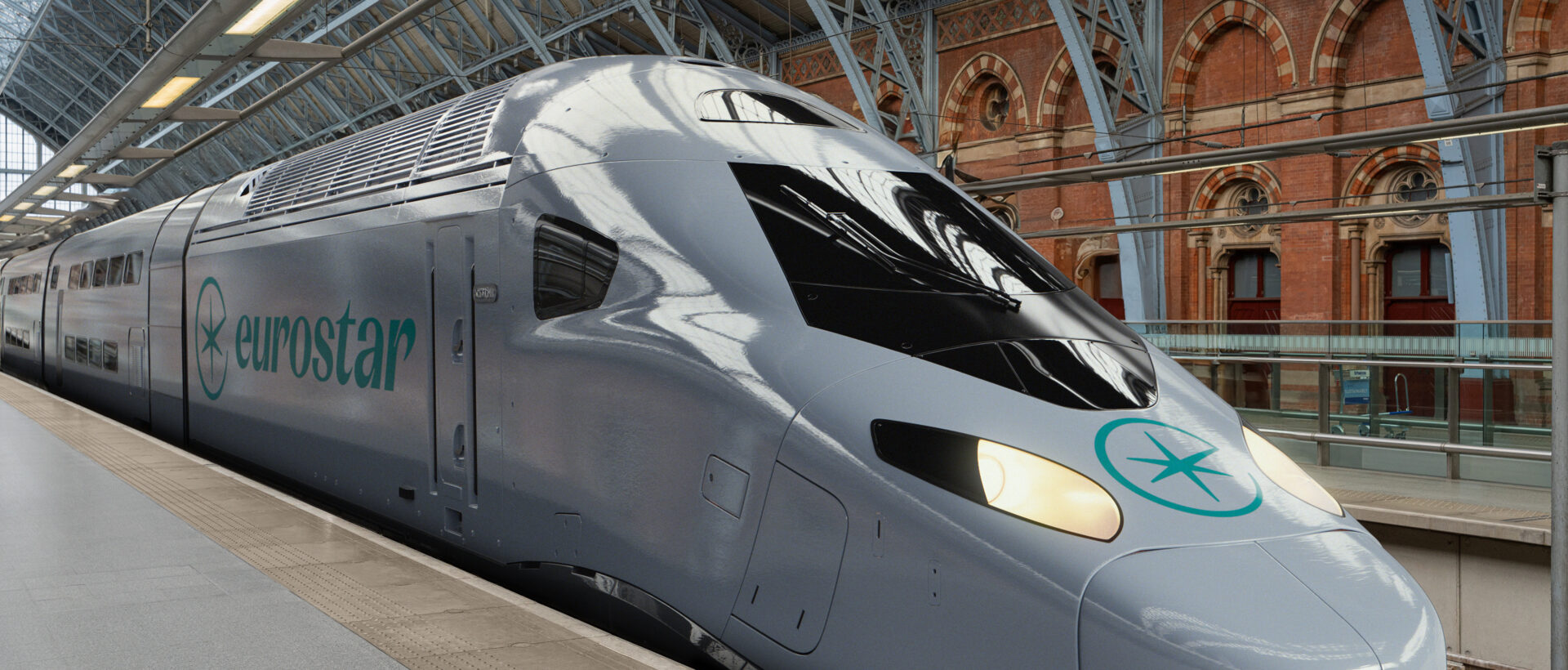
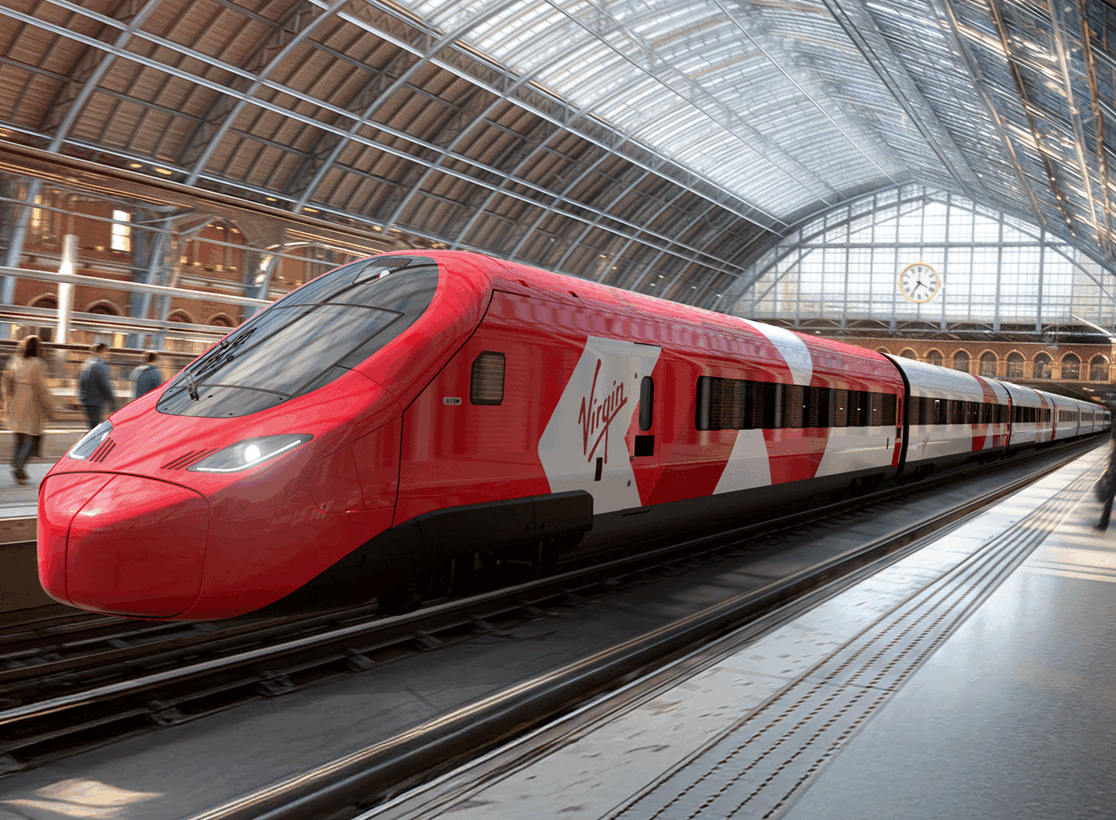
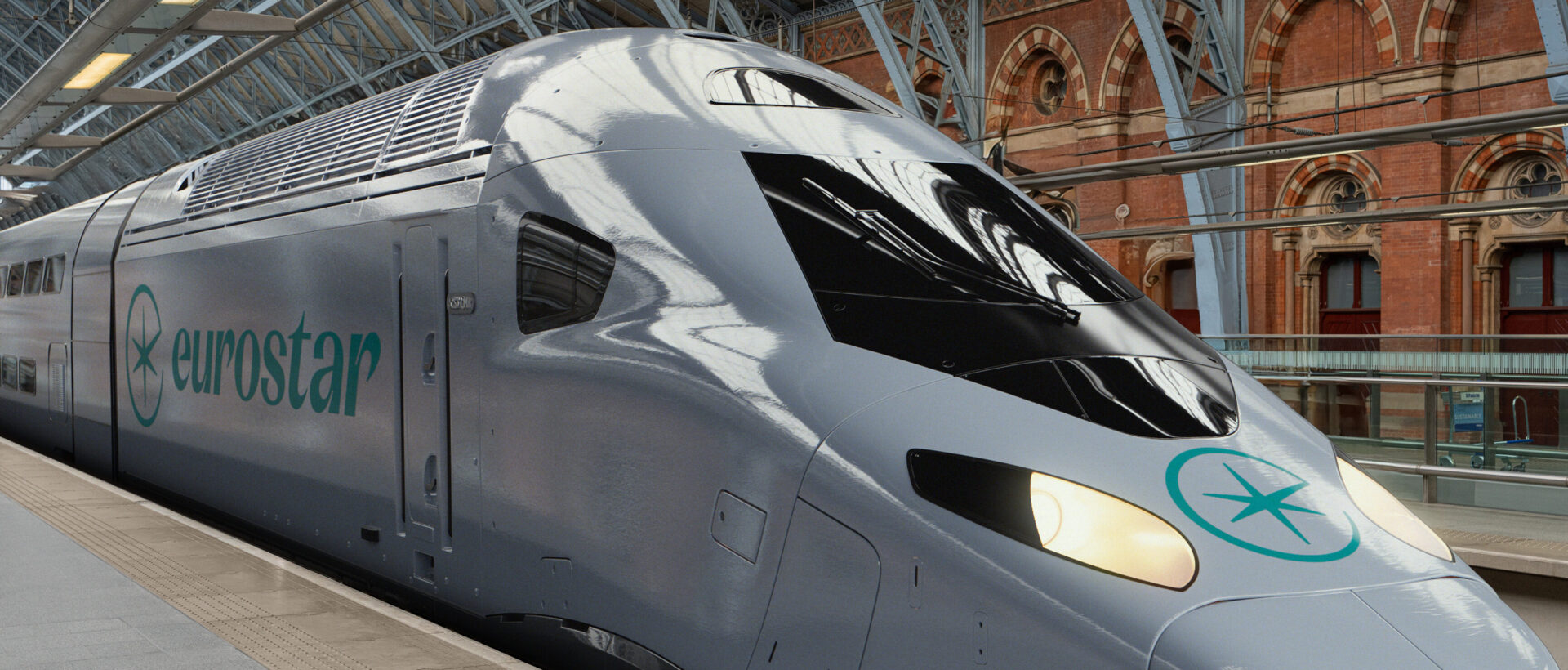
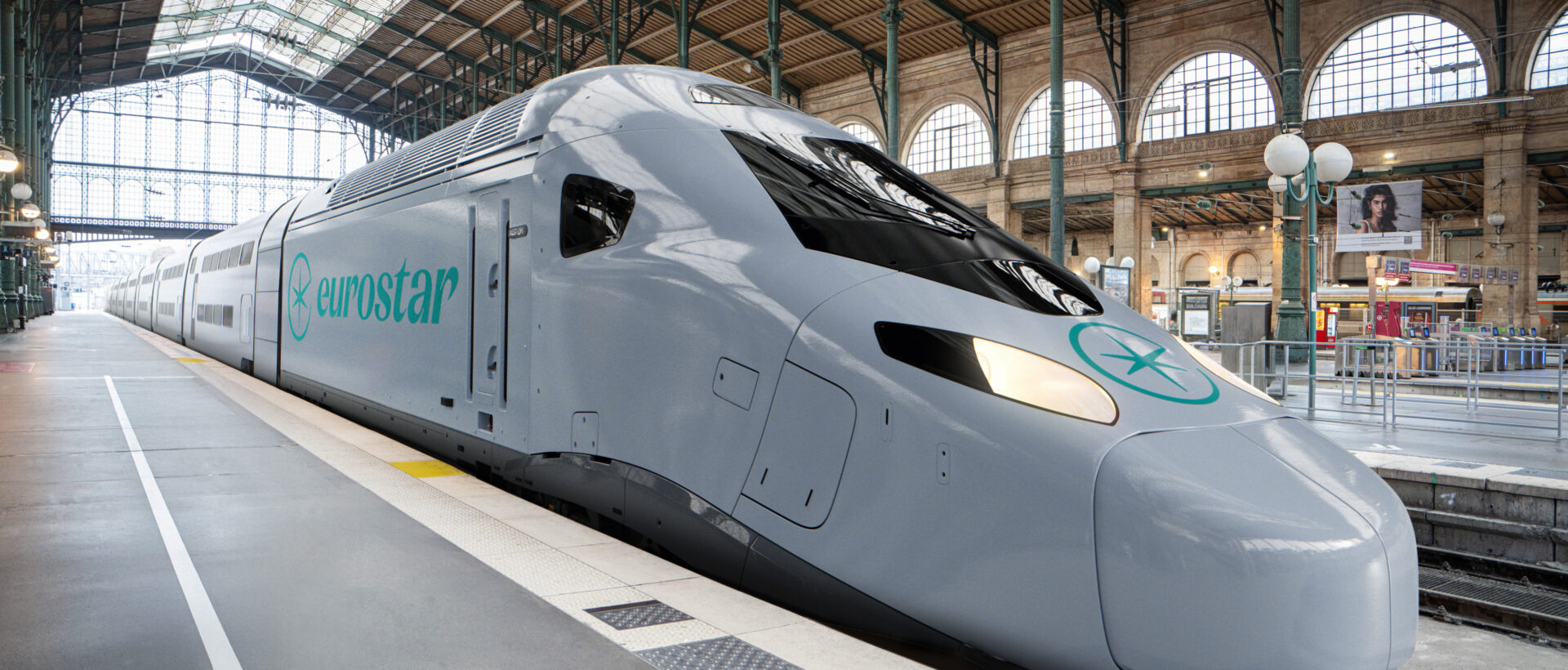
A significant part of Eurostar’s strategy remains focused on expanding capacity and preparing for future route development. During 2025, the company made an initial payment of 90 million EUR to Alstom as part of a 2 billion EUR programme to acquire up to 50 new trains.
The planned fleet expansion is intended to support increased passenger capacity and facilitate the introduction of new international routes, including proposed services linking London with Frankfurt and Geneva, as well as connections between Amsterdam, Brussels and Geneva.
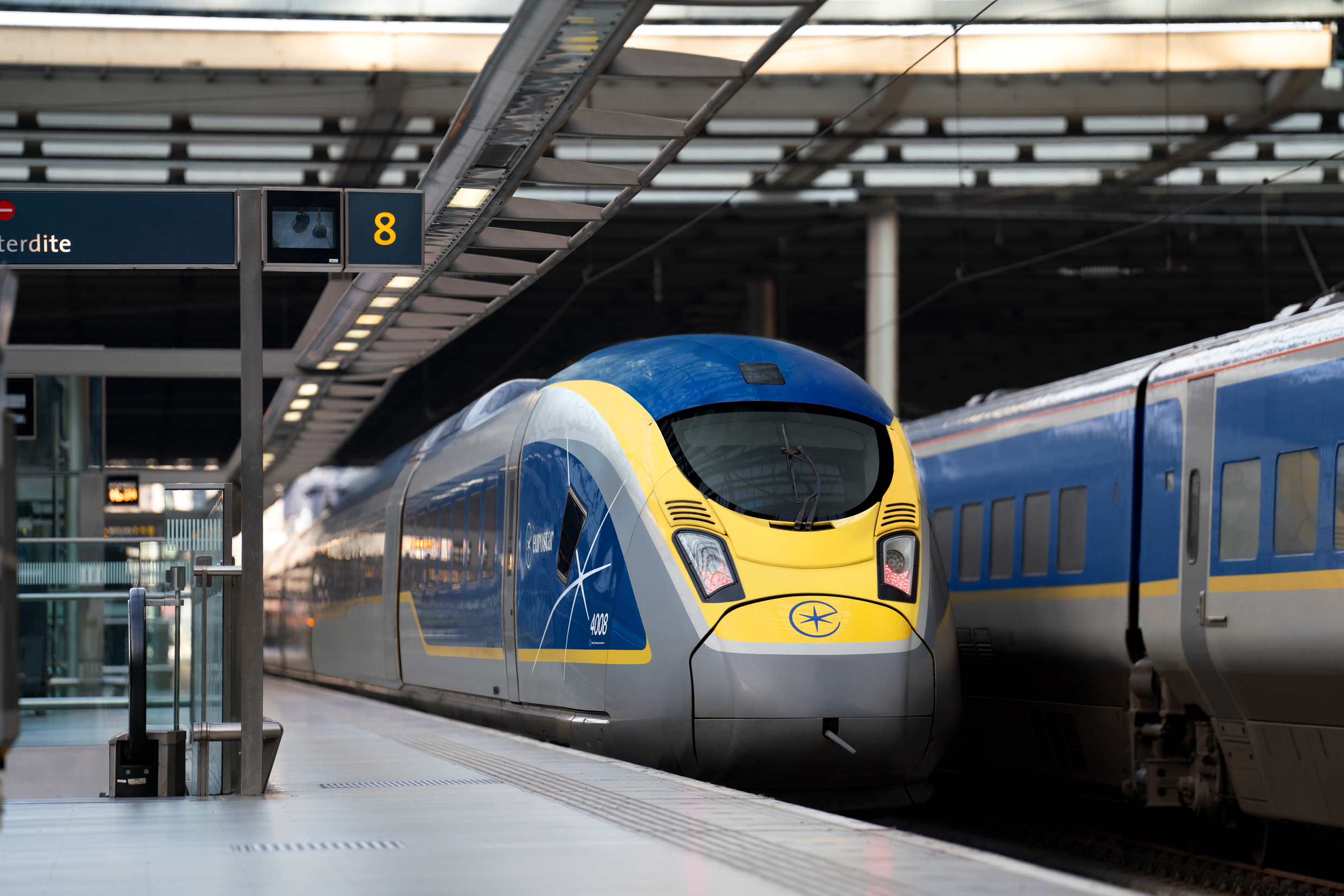
Eurostar also continued work on projects aimed at improving the passenger experience. These included the opening of a new cross-Channel terminal in Amsterdam, which would increase capacity on the London–Amsterdam route. Refurbishment of the operator’s PBKA fleet and major maintenance work on its e320 trains also continued during the year.
Eurostar Chief Executive Gwendoline Cazenave said:Our 2025 results demonstrate the strength of demand to travel with Eurostar and the allure of high speed, cross-border European rail travel. At the same time, we are concretely investing in the future with a bespoke new fleet on its way, enhanced stations and an improved customer experience. Even in difficult economic conditions, Eurostar continues to welcome more passengers than ever from across the world and forge the future of sustainable travel in Europe.
Eurostar stated that rail travel on its routes can produce significantly lower carbon emissions than equivalent air travel and outlined measures aimed at reducing waste and improving resource efficiency, including food waste recycling and redistribution of unsold products.
As part of its environmental objectives, Eurostar has set a target of sourcing all train electricity from renewable sources by 2030.
Financially, the company reported a gross debt position of 650 million EUR at the end of 2025. This follows a refinancing process completed in 2024. Eurostar said debt repayment is continuing, with a scheduled repayment made in April 2026.